Bancassurance Market Size & Forecasts 2026-2035, By Segments (Product Type, Model Type), Growth Opportunities, Innovation Landscape, Regulatory Shifts, Strategic Regional Insights (U.S., Japan, China, South Korea, UK, Germany, France), and Competitive Dynamics (AXA, Allianz, Generali, BNP Paribas, Zurich Insurance)
Jump to Content
Market Size and Growth Outlook
Bancassurance Market size is projected to grow steadily from USD 1.49 trillion in 2025 to USD 2.59 trillion by 2035, demonstrating a CAGR exceeding 5.7% through the forecast period (2026-2035). The 2026 revenue is estimated at USD 1.57 trillion.
Get more details on this report
Request Free Sample ReportBancassurance Market Intelligence Snapshot
Regional Market Dynamics
Segment Momentum
Market Expansion Drivers
Leading Market Participants
Global Market Forecast Snapshot
Market Outlook
Regional and Segment Outlook
Market Growth Drivers and Industry Trends
The bancassurance market is increasingly shaped by growing consumer demand for seamless financial service integration. Customers now prefer bundling insurance with banking products to simplify management and leverage trusted bank relationships. According to a report by HSBC, bank customers show higher satisfaction and engagement when insurers collaborate closely with banks, highlighting the added convenience and tailored solutions. This evolving behavior creates opportunities for incumbents to deepen cross-selling strategies and for new entrants to innovate bundled offerings that enhance customer loyalty. As banking institutions continue embedding insurance products within broader financial ecosystems, players positioned to deliver cohesive, personalized experiences will capture market share in an increasingly interconnected landscape.
Expansion of Digital Channels and Mobile Platforms for Insurance Distribution
The bancassurance market’s transformation is propelled by the rapid digitalization of insurance through mobile and online banking platforms. Companies such as AXA and ICICI Bank have showcased successful digital bancassurance models, leveraging mobile apps to drive real-time policy sales and service. This shift aligns with a consumer base favoring instant access and self-service options, enhancing convenience and reducing operational costs. Digital channel growth allows both established firms and agile startups to reach wider demographics, including younger, tech-savvy clients. Continued investments in user-friendly digital interfaces and AI-driven personalization will solidify competitive advantage, fostering a customer-centric, scalable distribution framework within bancassurance.
Regulatory Reforms Promoting Bancassurance Partnerships
Recent regulatory changes worldwide are catalyzing growth in the bancassurance market by enabling stronger collaborations between banks and insurers. For example, the Reserve Bank of India’s revised guidelines have facilitated enhanced commission structures and joint ventures, encouraging more integrated bancassurance models. Such reforms reduce barriers, mitigate risks, and promote transparency, allowing financial institutions to align incentives and innovate product offerings. Strategic partnerships formed under supportive regulatory environments will increase product diversity and improve capital efficiency. As regulators continue emphasizing consumer protection and market stability, firms that proactively adapt to evolving frameworks will unlock new pathways for sustainable growth in bancassurance.
Industry Restraints:
Regulatory Complexity and Compliance Challenges
The bancassurance market faces significant constraints due to the intricate and evolving regulatory environment governing financial services and insurance sectors. Divergent regulatory frameworks across jurisdictions complicate product design, distribution, and reporting, increasing operational costs and limiting agility. For instance, the European Insurance and Occupational Pensions Authority (EIOPA) continuously implements rigorous solvency and consumer protection standards, compelling banks and insurers to invest heavily in compliance infrastructure. These layers of oversight delay product innovation and expansion, disproportionately burdening smaller players with limited compliance resources. Strategically, incumbents must allocate substantial capital toward regulatory technology and stakeholder management, while new entrants may find market entry cost-prohibitive. This regulatory friction is expected to persist, with ongoing reforms and heightened supervisory scrutiny maintaining a challenging landscape that favors well-capitalized, compliance-savvy institutions.
Cultural and Consumer Trust Barriers
Cultural apprehension toward bundling banking and insurance products remains a potent restraint, especially in regions where consumers exhibit skepticism about cross-selling practices. Studies by organizations such as the International Finance Corporation (IFC) highlight that customers in emerging markets often distrust dual offerings due to perceived conflicts of interest or inadequate product transparency. This hesitance restricts bancassurance uptake and erodes customer loyalty, forcing market participants to invest heavily in education and relationship-building initiatives. For incumbents, the challenge lies in balancing aggressive cross-selling with maintaining brand credibility, while new market entrants must navigate entrenched consumer biases. Moving forward, this cultural barrier is likely to necessitate innovative engagement strategies and digital transparency enhancements, shaping bancassurance providers’ customer interaction models to foster trust and broaden acceptance.
| Growth Driver | Impact on CAGR | Regulatory Influence | Geographic Relevance | Adoption Rate | Impact Timeline |
|---|---|---|---|---|---|
| Rising consumer preference for integrated financial products via banks | 2.00% | Short term (≤ 2 yrs) | North America, Europe; Spillover: Asia Pacific | Medium | Fast |
| Expansion of digital channels and mobile platforms for insurance distribution | 1.80% | Medium term (2–5 yrs) | Asia Pacific, Europe; Spillover: North America | Medium | Moderate |
| Regulatory reforms promoting bancassurance partnerships | 1.00% | Long term (5+ yrs) | Europe, Asia Pacific; Spillover: Latin America | High | Slow |
Explore Growth Opportunities
Request Free Sample ReportRegional Demand Dynamics
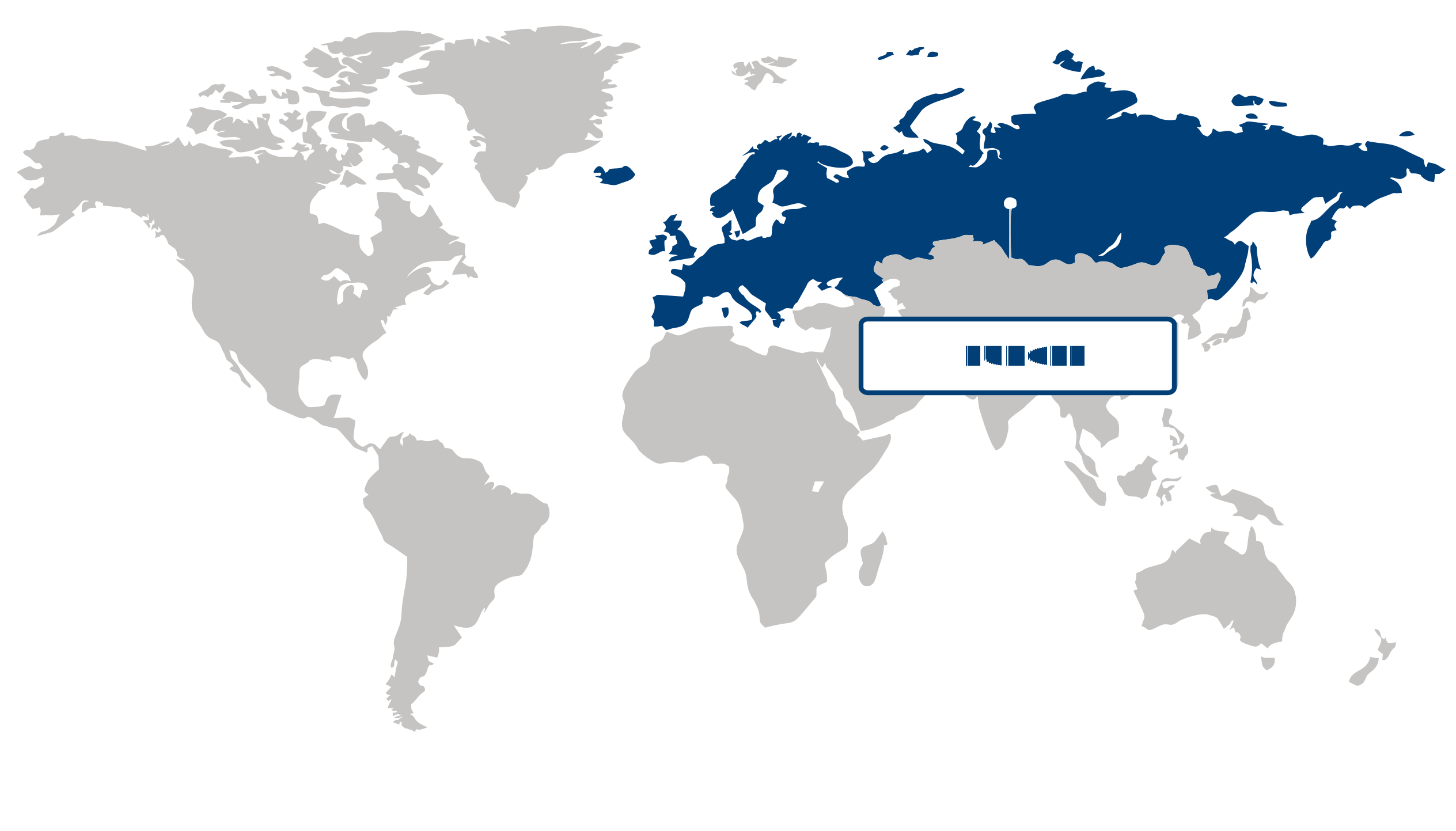
Europe dominated the bancassurance market in 2025, representing more than 58% of the global share. This leadership stems from long-established partnerships between banks and insurance providers, underpinned by supportive regulatory frameworks that facilitate integrated financial services. Countries have embraced digital innovations to enhance customer experience and operational efficiency, propelling demand for bundled financial products. According to Allianz’s corporate announcements, major players leverage omnichannel strategies, reflecting evolving consumer preferences toward seamless service delivery. Furthermore, economic stability across the region sustains robust spending patterns and cross-selling opportunities. As regulatory bodies such as the European Banking Authority continue fostering cooperation between sector players, Europe remains well-positioned for sustained growth. This environment creates a fertile landscape for bancassurance expansion, attracting investors keen on capitalizing on mature but adaptive markets with resilient financial ecosystems.
Germany anchors Europe’s bancassurance market through deep-rooted alliances between flagship banks and insurance firms. The country’s regulatory environment promotes transparency and consumer protection while encouraging product innovation, as highlighted by the Federal Financial Supervisory Authority (BaFin). Banking institutions like Deutsche Bank actively collaborate with leading insurers, exemplified in joint product launches that cater to the evolving risk awareness among German customers. Germany’s tech-focused financial services embrace digital platforms to meet rising demand, reinforcing the regional bancassurance network. This strategic dynamism thus amplifies Germany’s influence, securing its role in Europe's overall market trajectory and offering a blueprint for integrated financial solutions.
France plays a pivotal role in the European bancassurance market, driven by consumer affinity for comprehensive service packages facilitated by long-term bank-insurance relationships. The country’s regulatory stance, supported by the Autorité de Contrôle Prudentiel et de Résolution (ACPR), encourages innovation within a secure framework, fostering trust and competitive banking strategies. Companies like BNP Paribas have demonstrated success through collaborative bancassurance models, integrating insurance offerings with digital banking services to enhance customer engagement. This approach aligns with French consumers’ preference for convenience and tailored financial products. France’s contribution complements broader European trends, strengthening the region’s bancassurance market and expanding opportunities for cross-border partnerships and technological advancement.
Asia Pacific Market Analysis:
Asia Pacific emerged as the fastest-growing region in the bancassurance market, registering a robust CAGR of 7.98%. This growth is primarily driven by financial sector liberalization and the expanding middle class, which have collectively deepened consumer access to diversified financial products. Governments across the region are progressively relaxing foreign ownership restrictions and enhancing regulatory frameworks, facilitating stronger partnerships between banks and insurance providers. For example, the Monetary Authority of Singapore recently updated its guidelines to encourage bancassurance innovation. Moreover, rising disposable incomes and increasing financial literacy among the middle class are intensifying demand for integrated insurance solutions delivered through trusted banking channels. Technology adoption, including digital onboarding and AI-driven customer service, further streamlines product distribution and policy management. These factors position Asia Pacific as a dynamic hub for bancassurance expansion, offering investors and strategists significant opportunities to capitalize on evolving consumer needs and favorable regulatory shifts.
Japan plays a pivotal role in advancing bancassurance in Asia Pacific, driven by its mature financial market and demographic shifts toward an aging population requiring tailored insurance products. Japanese banks such as Mitsubishi UFJ Financial Group have strengthened bancassurance alliances, leveraging consumer trust and sophisticated digital interfaces to enhance cross-selling efficiency. Regulatory reforms by the Financial Services Agency have increased transparency and consumer protection, fostering confidence in bundled financial products. Meanwhile, Japan’s high per capita income supports demand for comprehensive life and health insurance policies offered through banking networks. This strategic focus on combining demographic insight with robust operational capabilities anchors Japan as a cornerstone of regional bancassurance growth.
China’s burgeoning middle class and ongoing financial sector liberalization uniquely shape its bancassurance trajectory within Asia Pacific. The China Banking and Insurance Regulatory Commission’s recent measures to simplify bancassurance licensing and promote product innovation have amplified market penetration. Consumers exhibit growing preference for digital insurance solutions accessible via mobile banking platforms, a trend evident in partnerships between China Construction Bank and leading insurers like Ping An. Urbanization and rising health awareness are expanding demand for protection-oriented products, stimulating bancassurance uptake. China’s scale, coupled with rapid technological integration, reinforces its central role in driving Asia Pacific’s bancassurance momentum, embodying the region’s broader economic and demographic transformation that underpins sustained market expansion.
North America Market Trends:
North America maintained a notable presence in the bancassurance market, reflecting moderate growth driven by evolving consumer preferences and expanding digital capabilities. The region’s financial institutions have increasingly integrated insurance products within banking channels, responding to a shift toward seamless, one-stop financial services. Regulatory adaptations by the U.S. Federal Reserve and the Office of the Comptroller of the Currency have facilitated product innovations and cross-selling opportunities. Additionally, the rising demand for personalized and sustainable financial solutions, alongside advancements in AI-driven risk assessment, have supported bancassurance expansion. For instance, JPMorgan Chase’s launch of integrated insurance offerings highlights the operational synergies leveraged within the region. With ongoing investments in fintech partnerships and digital platforms, North America is positioned to capture further market share by enhancing customer engagement and operational efficiency.
The U.S. plays a pivotal role in the North American bancassurance market, underpinned by strong consumer demand for bundled financial products and an adaptive regulatory environment. The strategic initiatives by major banks such as Wells Fargo, demonstrated in their 2023 press release on enhanced insurance service delivery, highlight the emphasis on digital integration and personalized product offerings. Furthermore, the U.S. market benefits from advanced data analytics and AI tools that refine underwriting processes, increasing accessibility and reducing costs. Regulatory frameworks, including the Dodd-Frank Act amendments, have eased cross-sector collaborations, fostering competitive bancassurance models. This dynamic creates strategic opportunities for market participants to deepen client relationships and innovate service delivery, reinforcing the U.S. as a critical driver of bancassurance growth in North America.
| Parameter | North America | Asia Pacific | Europe | Latin America | MEA |
|---|---|---|---|---|---|
| Innovation HubiScaleNascentDeveloping Advanced | |||||
| Cost-Sensitive RegioniScaleLowMedium High | |||||
| Regulatory EnvironmentiScaleRestrictiveNeutral Supportive | |||||
| Demand DriversiScaleWeakModerate Strong | |||||
| Development StageiScaleEmergingDeveloping Developed | |||||
| Adoption RateiScaleLowMedium High | |||||
| New Entrants / StartupsiScaleSparseModerate Dense | |||||
| Macro IndicatorsiScaleWeakStable Strong |
Bancassurance Market Share (%), by Product Type, 2026
Go beyond the chart, access full insights & data tables
Request Free Sample ReportLife Bancassurance represented the largest share of the bancassurance market in 2025, driven primarily by growing customer preference for integrated life protection and savings products offered through established bank channels. This segment benefits from evolving consumer demands for comprehensive financial solutions that combine risk coverage with investment benefits, reflecting shifting priorities toward long-term financial security and wealth accumulation. Regulatory bodies such as the Prudential Regulation Authority have endorsed streamlined bancassurance frameworks, facilitating product innovation and trust-building. Additionally, digital transformation in banking has enhanced client onboarding and personalized offerings, augmenting the attractiveness of life bancassurance products. For both incumbents and new entrants, this segment offers strategic advantage through cross-selling opportunities and deep customer wallet share. Considering sustained demographic trends and rising financial literacy globally, life bancassurance is poised to maintain its leadership as banks and insurers collaborate on customer-centric solutions.
Analysis by Model Type
Exclusive Partnership held the largest share in the bancassurance market in 2025 due to banks increasingly adopting this model to efficiently and securely expand their insurance distribution networks. Such partnerships provide streamlined access to customer bases with reduced operational complexity, enabling banks to integrate insurance offerings seamlessly into their product suites. This model aligns with regulatory encouragement from entities like the European Insurance and Occupational Pensions Authority (EIOPA) for transparent and accountable distribution practices. The strategic integration accelerates innovation, leveraging banks’ digital platforms for tailored insurance solutions while mitigating competitive pressures from direct insurance channels. It creates significant scope for both legacy financial institutions and emerging fintech insurers to jointly capture market share through enhanced customer engagement and operational synergies. Given evolving compliance standards and customer expectations for integrated financial services, exclusive partnerships will remain a cornerstone in bancassurance models moving forward.
| Segment | Sub-Segment | Largest Segment | Fastest Growing |
|---|---|---|---|
| Product Type | Life Bancassurance, Non-Life Bancassurance | ||
| Model Type | Pure Distributor, Exclusive Partnership, Financial Holding, Joint Venture |
Unlock insights tailored to your business with our bespoke market research solutions.
Click to get your customized report now.
Competitive Landscape and Market Positioning
The competitive landscape reveals intensified efforts by these top players to deepen market penetration through innovative product launches and enhanced customer engagement models. Alliances and strategic collaborations facilitate synergies between banking and insurance operations, while technology investments enable streamlined underwriting and personalized offerings. Acquisitions and cross-border ventures have further solidified their market positions by expanding geographic reach and diversifying risk portfolios. Consequently, these initiatives foster not only operational resilience but also a broader spectrum for customer-centric innovation, thereby reinforcing competitive advantages amid evolving regulatory and consumer expectations.
Strategic / Actionable Recommendations for Regional Players
In North America, regional players should pursue selective partnerships combining financial institutions and technologically adept insurers to enhance digital bancassurance platforms, addressing increasing demand for seamless omnichannel experiences. Capitalizing on fintech integration and targeting the growing millennial demographic could bolster user engagement and product uptake.
For Asia Pacific, fostering collaborations that enable advanced analytics and AI-driven risk assessment can differentiate offerings in highly competitive markets. Expanding into underserved segments with tailored insurance products, complemented by mobile-first solutions, can create significant inroads while leveraging the rapid digitization momentum.
European market participants would benefit from focusing on sustainability-linked insurance products aligned with regulatory frameworks and consumer preferences. Strengthening cross-border alliances and embedding data-driven personalization will support enhanced customer retention and competitive positioning amid mature market challenges.
| Company | Market Share | Company Revenue | Revenue CAGR (%) | Product Portfolio | Geographic Presence | Innovation / R&D Focus | Strategic Developments |
|---|---|---|---|---|---|---|---|
| No companies available. | |||||||
Customize Your Report
Explore examples of how this report can be tailored to different research needs, including custom segments, additional topics or chapters, and related reports. Click a section of the wheel or its numbered marker to explore the available options.
Bancassurance Market — Custom Segments
| Segment | Sub-Segment |
|---|---|
| No segment data available. | |
Bancassurance Market — Custom TOC
| Custom Chapter | Chapter Details |
|---|---|
| No custom TOC data available. | |
Need a different cut of the data?
Request Custom ResearchFrequently Asked Questions
How is the bancassurance industry expected to grow over the next 10 years?
In which region is the bancassurance market share the greatest?
Which area is showing the greatest surge in bancassurance sector?
When did life bancassurance sub-segment emerge as the largest sub-segment in the product type segment of bancassurance sector?
Why is the exclusive partnership segment leading in the bancassurance industry?
Who holds a significant market share in the bancassurance landscape?
Our Clients
"The report provided us with a clear direction, and the level of detail was beyond what we expected. I would definitely recommend their services to others."
Haier Appliances
"The collaboration with Fundamental Business Insights has added significant value to our decision-making process, and we look forward to continuing this partnership for our future market research requirements."
Luxottica Group S.p.A.
"The team at FBI delivered an exceptional research report. The insights on industry innovations were particularly impressive and added a lot of value to the overall report."
Nike
Our Research Team & Methodology
Every Fundamental Business Insights report is built by a dedicated vertical research team, validated through a structured primary-and-secondary methodology, and reviewed for accuracy before it reaches you.
This report was prepared by the Consumer Goods & Services Research Team at Fundamental Business Insights, a dedicated research group specializing in global consumer markets, retail industries, and service-oriented businesses. The team closely tracks evolving consumer preferences, purchasing behavior, product innovation, brand strategies, retail and e-commerce developments, pricing trends, distribution channels, sustainability initiatives, demographic shifts, and changing lifestyle patterns to deliver timely and reliable market intelligence. The research is developed using a structured methodology that combines primary discussions with manufacturers, brand owners, retailers, distributors, service providers, industry experts, and other key stakeholders, along with company annual reports, government consumer statistics, regulatory publications, industry associations, retail market data, trade publications, and other authoritative secondary sources. Market estimates are validated through multiple research techniques, including top-down and bottom-up analysis, before undergoing an internal quality review to ensure accuracy, consistency, and methodological integrity prior to publication.
Delivery
Published
Available
Support
- Market Size & Forecast
- Market Segmentation
- Regional Analysis
- Growth Drivers & Challenges
- Market Dynamics
- Competitive Landscape
- Company Profiles
- Competitive Benchmarking
- Mergers & Acquisitions
- Market Share Analysis or Key Company Strategies
- Value Chain Analysis
- Porter's Five Forces
- PESTLE Analysis
- Pricing Trends
- Supply-Demand Analysis
- Technology Landscape
- Regulatory Landscape
- Investment & Funding Landscape
- Emerging Opportunities
- Future Market Outlook