Automotive Catalytic Converter Device Market Size & Share, By Technology (Two-Way Catalytic Converters, Three-Way Catalytic Converters, Selective Catalytic Reduction (SCR), Systems, Lean NOx Traps (LNTs), Diesel Particulate Filters (DPFs), Closed-Coupled Catalytic Converters (CCCs)), Vehicle Type (Passenger Cars, Commercial Vehicles (Light-Duty, Medium-Duty, Heavy-Duty), Two-Wheelers), Fuel Type (Gasoline, Diesel, Alternative Fuels (Hybrid, Electric, CNG, LPG)), Emission Standard - Growth Trends, Regional Insights (U.S., Japan, South Korea, UK, Germany), Competitive Positioning, Global Forecast Report 2025-2034

Report ID: FBI 15929| Published Date: Apr-2025| Format: PDF, Excel
Jump to Content
Market Outlook

Market Size and Growth Outlook

Automotive Catalytic Converter Device Market size is projected to rise from USD 69.35 billion in 2024 to USD 109.78 billion by 2034, representing a CAGR above 4.7% for the 2025–2034 forecast period. The industry is estimated to reach USD 71.98 billion in revenue by 2025.

Base Year Value (2024)
USD 69.35 Billion
CAGR (2025-2034)
4.7%
Forecast Year Value (2034)
USD 109.78 Billion
Historical Data Period
2021-2024
Largest Region
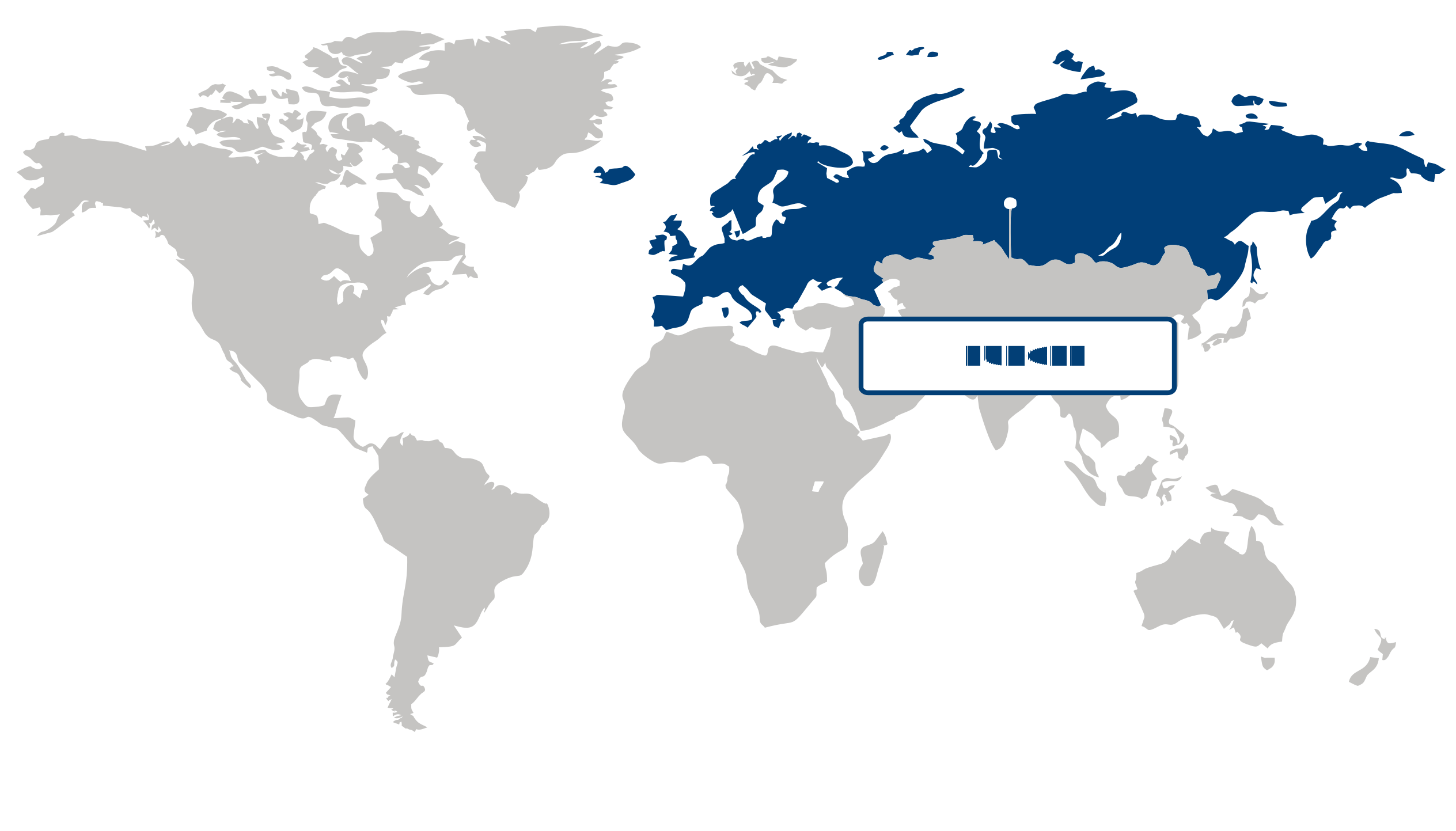
Europe
Forecast Period
2025-2034

Get more details on this report

Request Free Sample Report
Snapshot

Automotive Catalytic Converter Device Market Intelligence Snapshot

Regional Market Dynamics

Segment Momentum

Market Expansion Drivers

Leading Market Participants

Forecast Snapshot

Global Market Forecast Snapshot

Market Outlook

Regional and Segment Outlook

Market Dynamics

Market Growth Drivers and Industry Trends

Growth Drivers & Opportunities The automotive catalytic converter device market is experiencing significant growth due to several key factors. One of the primary drivers is the increasing stringency of emission regulations across the globe. Governments are implementing more stringent standards to combat air pollution, which, in turn, is driving demand for advanced catalytic converters that can efficiently reduce harmful emissions from vehicles. As automakers strive to comply with these regulations, the need for high-quality catalytic converters that meet the latest emission standards becomes more critical. Another substantial opportunity arises from the growing adoption of electric vehicles (EVs) and hybrid vehicles. As more consumers transition to environmentally friendly options, the automotive industry is responding by enhancing catalytic converter technology to optimize performance in hybrid and future electric vehicle models. This ongoing innovation presents significant opportunities for market players to develop new products and services tailored to emerging vehicle technologies. The rise in automotive production, especially in emerging economies, further propels the demand for catalytic converters. As disposable incomes rise and vehicle ownership increases in these regions, the necessity for effective emissions control solutions becomes apparent. Manufacturers are focusing on expanding their production capacities to cater to this growing market, presenting opportunities for strategic partnerships and investments. Industry Restraints: Despite the favorable market conditions, the automotive catalytic converter device market faces several restraints. One of the notable challenges is the fluctuating prices of raw materials used in the production of catalytic converters, such as platinum, palladium, and rhodium. These precious metals are subject to price volatility, which can significantly impact production costs and profit margins for manufacturers. As a result, companies must adopt effective supply chain management strategies to mitigate the adverse effects of raw material price fluctuations. Moreover, the increasing prevalence of counterfeit catalytic converters poses a significant threat to the industry. These substandard products not only harm vehicle performance but also dilute the market for authentic manufacturers. The challenge of effectively tracking and combating counterfeit products can lead to lost revenues and a tarnished reputation for reputable companies. Additionally, the shift towards alternative propulsion technologies, such as hydrogen fuel cells, could limit the long-term growth potential for traditional catalytic converters. As automotive technology evolves rapidly, the industry must adapt to these changes or risk becoming obsolete. This transition creates uncertainty and poses a significant challenge for current manufacturers in maintaining market relevance.

Explore Growth Opportunities

Request Free Sample Report
Regional Forecast

Regional Demand Dynamics

Automotive Catalytic Converter Device Market
Largest Region
Europe
XX% Market Share in 2024
North America The North American automotive catalytic converter market is primarily driven by stringent emissions regulations and a strong automotive manufacturing sector. The United States is the leading contributor, owing to its significant automotive production and robust presence of major automobile manufacturers. The push for electric vehicles is also influencing the market, as hybrid vehicles require catalytic converters, ensuring continued demand. Canada, while smaller in comparison, is notable for its increasing emphasis on green technologies and initiatives aimed at reducing pollution, which bolster the demand for efficient catalytic converter systems. Overall, innovation and regulatory pressures are expected to keep North America as a vital player in the market. Asia Pacific Asia Pacific represents a major hub for automotive production, with countries like China, Japan, and South Korea at the forefront. China, in particular, dominates the market due to its massive automotive sector and stringent emissions standards being implemented to combat pollution. The rapid adoption of electric vehicles in China is leading to advancements in catalytic converter technologies, further propelling the market. Japan and South Korea benefit from their strong automotive industries, showcasing advanced engineering in emissions control technologies. The growing consumer demand for automobiles and the expansion of manufacturing facilities in these countries indicate a promising growth trajectory for the catalytic converter market in the Asia Pacific region. Europe Europe holds a significant position in the automotive catalytic converter market, bolstered by robust environmental legislations aimed at achieving stricter emissions goals. Germany stands out as a key player, home to some of the largest automotive manufacturers and technological hubs producing high-quality catalytic converters. The United Kingdom and France also contribute to the market with their focus on sustainability and the transition to electric vehicles. The European automotive industry is investing heavily in research and development to innovate more efficient catalytic converters, particularly those that can cater to the demands of hybrid and electric models, creating a landscape ripe for market growth. The overall commitment to reducing carbon footprints and compliance with regulations solidifies Europe’s influential role in the catalytic converter space.
🔒 Need data on a specific country or region? Individual country/region reports are available at discounted pricing. Inquire Before Buying

Go beyond the chart, access full insights & data tables

Request Free Sample Report
Market Overview The automotive catalytic converter device market is a crucial component of the automotive industry, driven by increasing environmental regulations and the growing need for efficient emission control systems. This market can be categorized by technology, vehicle type, fuel type, and emission standards, each contributing differently to demand dynamics. Technology Segmentation The technology segment is divided into various categories, including two-way catalytic converters, three-way catalytic converters, selective catalytic reduction (SCR), lean NOx traps (LNTs), diesel particulate filters (DPFs), and closed-coupled catalytic converters (CCCs). Three-way catalytic converters dominate the market due to their efficiency in converting harmful gases from gasoline engines. SCR systems are gaining traction, particularly in diesel applications, as they effectively reduce NOx emissions. DPFs are also essential for diesel vehicles and are expected to see significant growth due to stricter emission regulations. In contrast, lean NOx traps may have a slower adoption rate as they are more suitable for specific diesel applications. Vehicle Type Segmentation When analyzed by vehicle type, the market is segmented into passenger cars, commercial vehicles (including light-duty, medium-duty, and heavy-duty vehicles), and two-wheelers. Passenger cars occupy a substantial share of the market, driven by the high volume of vehicle sales and stringent emission norms in personal transport. Commercial vehicles, especially medium-duty and heavy-duty trucks, represent a growing segment due to increasing regulations surrounding emissions in logistics and transportation sectors. Two-wheelers, while smaller in market size, show potential for growth as urbanization increases and emission regulations tighten, particularly in developing regions. Fuel Type Segmentation The fuel type analysis reveals the presence of gasoline, diesel, and alternative fuels, including hybrids, electric vehicles, CNG, and LPG. Gasoline-powered vehicles dominate the market due to their widespread use, particularly in passenger cars. Diesel vehicles, under pressure from regulations, are adapting with advanced catalytic solutions like SCR and DPF. However, alternative fuels are expected to exhibit the fastest growth, driven by the automotive industry's shift towards sustainable energy sources. Electric vehicles, although currently limited in market size, are projected to expand rapidly, necessitating specific solutions for minimizing emissions during manufacturing and energy consumption. Emission Standard Segmentation Emission standards are an essential consideration in the automotive catalytic converter device market. Variations like Euro 6, Bharat Stage VI, and Tier 3 standards are setting benchmarks for emission reductions. Regions with stringent emission standards are pushing manufacturers to innovate and enhance catalytic converter technologies, thus propelling growth. The market is expected to see increased investment in R&D to meet evolving regulations, contributing to a dynamic competitive landscape. Overall, the automotive catalytic converter market is positioned for growth across various segments, driven by advancements in technology, regulatory pressures, and shifts in fuel usage.
Segment Sub-Segment Largest Segment Fastest Growing
Custom Research

Unlock insights tailored to your business with our bespoke market research solutions.

Click to get your customized report now.

Request Customization →
Competitive Landscape

Competitive Landscape and Market Positioning

The Automotive Catalytic Converter Device Market is characterized by intense competition among various key players striving to develop innovative solutions that comply with stringent emission regulations globally. Factors such as the rising demand for fuel-efficient vehicles and increasing environmental concerns drive the market's growth, prompting manufacturers to invest in advanced technologies and research. The market is also influenced by the continuous evolution of automotive technologies, particularly in electric and hybrid vehicles, which presents both challenges and opportunities for traditional catalytic converter manufacturers. With a mix of established firms and emerging players, collaborations and mergers are common strategies adopted to strengthen market position and enhance product offerings. Top Market Players 1. BASF SE 2. Johnson Matthey Plc 3. Umicore SA 4. Continental AG 5. Tenneco Inc. 6. Eberspächer Group 7. Delphi Technologies 8. Faurecia SA 9. Denso Corporation 10. Cataler Corporation
Company Market Share Company Revenue Revenue CAGR (%) Product Portfolio Geographic Presence Innovation / R&D Focus Strategic Developments
No companies available.
🔒 This section is available as a standalone purchase. Buy only the data you need. Inquire Before Buying
Report Customization

Customize Your Report

Explore examples of how this report can be tailored to different research needs, including custom segments, additional topics or chapters, and related reports. Click a section of the wheel or its numbered marker to explore the available options.

1 Custom Segments 2 Custom TOC 3 Related Reports

Automotive Catalytic Converter Device Market — Custom Segments

Segment Sub-Segment
No segment data available.

Automotive Catalytic Converter Device Market — Custom TOC

Custom Chapter Chapter Details
No custom TOC data available.

Need a different cut of the data?

Request Custom Research
FAQ

Frequently Asked Questions

Testimonials

Our Clients

"The team surpassed our expectations with the report depth. The actionable insights provided proved crucial in navigating market challenges."

Business Strategy Lead
Tata Motors

"We found the report to be very informative. The expertise and attention to market nuances significantly influenced our business direction."

Product Design Engineer
DENSO Corporation

"The consumer survey findings were quite good. We now have a clearer picture of the customer churning and retention strategy."

Head of Customer Experience & Insights
HL Mando
THE RESEARCH BEHIND THIS REPORT

Our Research Team & Methodology

Every Fundamental Business Insights report is built by a dedicated vertical research team, validated through a structured primary-and-secondary methodology, and reviewed for accuracy before it reaches you.

THIS REPORT'S RESEARCH VERTICAL
Industry Reports
Research Team Overview

This report was prepared by the Automotive & Transportation Research Team at Fundamental Business Insights, a dedicated research group specializing in the global automotive, mobility, and transportation industries. Our analysts continuously monitor vehicle technology advancements, electrification trends, autonomous and connected mobility, manufacturing developments, supply chain dynamics, regulatory standards, emissions policies, aftermarket activities, and evolving consumer and commercial transportation requirements to deliver timely and reliable market intelligence. The research is developed using a structured methodology that combines primary discussions with vehicle manufacturers, component suppliers, technology providers, distributors, logistics stakeholders, and industry experts, along with company annual reports, regulatory publications, government transportation statistics, industry associations, technical standards, and other authoritative secondary sources. Market estimates are validated through multiple research techniques, including top-down and bottom-up analysis, before undergoing an internal quality review to ensure accuracy, consistency, and methodological integrity prior to publication.

Prepared by the Automotive & Transportation Research Team
10+Industry Verticals
100+Countries Analyzed
5-7Days Standard
Delivery
13.8K+Research Reports
Published
On-DemandCustomized Research
Available
6Months Analyst
Support
PDF + XLSReport Deliverables
Trust & Compliance
D&B D-U-N-S
GDPR & CCPA Compliant
ISO 9001 Certified (ISO 9001:2015)
SSL Encryption
Secure Payments
Confidential Handling
Research Intelligence
Primary Research Network
Secondary Sources
Executive Leadership
Product & Technology Experts
Manufacturing & Operations Leaders
Procurement & Supply Chain Professionals
Sales & Commercial Executives
Channel Partners & Distribution Networks
Enterprise Buyers & End Users
Industry Consultants & Regulatory Experts
Research Workflow & Quality Assurance
01
Data Collection
Verified information gathered through primary and secondary research.
02
Data Triangulation
Cross-validation using multiple independent data sources.
03
Forecast Modelling
Market estimates developed using historical trends and analytical models.
04
Analyst Validation
Findings reviewed by domain experts for accuracy and consistency.
05
Editorial & Quality Review
Final editorial, quality, and compliance checks before publication.
06
Final Publication
Released after successful completion of the internal review process.
Report Coverage
Market Assessment
  • Market Size & Forecast
  • Market Segmentation
  • Regional Analysis
  • Growth Drivers & Challenges
  • Market Dynamics
🏢 Competitive Intelligence
  • Competitive Landscape
  • Company Profiles
  • Competitive Benchmarking
  • Mergers & Acquisitions
  • Market Share Analysis or Key Company Strategies
🔍 Strategic Analysis
  • Value Chain Analysis
  • Porter's Five Forces
  • PESTLE Analysis
  • Pricing Trends
  • Supply-Demand Analysis
🚀 Future Outlook
  • Technology Landscape
  • Regulatory Landscape
  • Investment & Funding Landscape
  • Emerging Opportunities
  • Future Market Outlook
Have a question about this report or need a custom scope?
Request Customization

Want this data scoped to your exact question?

Tell us the segments, regions, or competitors you need answered — an analyst will confirm scope before any custom work starts.

Talk to an Analyst →