Automotive Brake-By-Wire (BBW) Systems Market Size & Share, By Component (Brake pedal sensor, Electronic control unit (ecu), Brake actuators, Wheel speed sensors, Steering wheel angle sensors, Yaw sensor, Pressure sensor), Type (Electro-hydraulic brakes (EHB), Electro-mechanical brakes (EMB), Electric parking brakes (EPB)), vehicle type (Passenger cars, Commercial vehicles, Off-highway vehicles, Two-wheelers), solution (One box, Two box), vehicle propulsion (Ice, Electric vehicles), sales channel - Growth Trends, Regional Insights (U.S., Japan, South Korea, UK, Germany), Competitive Positioning, Global Forecast Report 2025-2034
Jump to Content
Market Size and Growth Outlook
Automotive Brake-By-Wire Systems Market size is predicted to grow from USD 6.06 billion in 2024 to USD 11.48 billion by 2034, reflecting a CAGR of over 6.6% from 2025 through 2034. The industry revenue is forecasted to reach USD 6.38 billion in 2025.
Get more details on this report
Request Free Sample ReportAutomotive Brake-By-Wire Systems Market Intelligence Snapshot
Regional Market Dynamics
Segment Momentum
Market Expansion Drivers
Leading Market Participants
Global Market Forecast Snapshot
Market Outlook
Regional and Segment Outlook
Market Growth Drivers and Industry Trends
Growth Drivers & Opportunities
The automotive brake-by-wire systems market is experiencing significant momentum due to several growth drivers. One of the primary catalysts is the rising demand for enhanced vehicle safety features. As consumers become more safety-conscious, automotive manufacturers are increasingly integrating advanced braking technologies to minimize accident risks and improve overall vehicle control. Furthermore, the shift towards electric and autonomous vehicles is creating an expansive opportunity for brake-by-wire systems. These technologies align perfectly with the requirements of electric vehicles, which often utilize sophisticated electronic control systems to optimize functionality and performance.
Another major driver is the ongoing advancements in sensor technology and electronic components. The proliferation of smart sensors enables real-time monitoring and responsiveness, dramatically enhancing braking performance. As these technologies become more affordable and accessible, the adoption of brake-by-wire systems is set to rise across various vehicle segments. Additionally, stringent government regulations aimed at improving vehicular safety and reducing emissions are pushing manufacturers to explore innovative solutions like brake-by-wire systems that offer better control and efficiency.
Opportunities in emerging markets further bolster the growth of this sector. As countries develop and urbanize, there is an increasing need for modernized transportation systems that emphasize safety and efficiency. This creates a fertile environment for introducing brake-by-wire technologies in regions where traditional systems may still dominate. Moreover, the trend towards connectivity in vehicles offers the potential for the integration of brake-by-wire systems with other vehicle systems, enhancing overall performance and user experience.
Industry Restraints:
Despite its positive outlook, the automotive brake-by-wire systems market faces several restraints that could impede its growth. One of the key challenges is the high initial costs associated with the development and implementation of these systems. Automakers may be hesitant to invest in brake-by-wire technologies due to the potential for increased manufacturing expenses, especially when traditional braking systems have a well-established supply chain and cost structures.
Another significant restraint is the complexity of integration with existing vehicle architectures. Compatibility issues can arise when implementing brake-by-wire systems in legacy vehicles or systems not designed for electronic control. This complexity can result in increased research and development timelines, delaying product launches and limiting market penetration.
Additionally, consumer acceptance poses a challenge, particularly among those accustomed to traditional braking systems. Some drivers may be wary of fully electronic brakes, associating them with potential failures or loss of control. Educating consumers about the safety and efficiency benefits of brake-by-wire technology is crucial for overcoming this resistance. Lastly, regulatory hurdles can also present obstacles, as new technologies must undergo rigorous testing and certification processes before entering the market, potentially slowing down the pace of innovation and adoption.
Explore Growth Opportunities
Request Free Sample ReportRegional Demand Dynamics
North America
The automotive brake-by-wire systems market in North America is considerably influenced by advancements in technology and increased regulatory pressures related to vehicle safety. The United States is projected to dominate this region due to its robust automotive industry, home to several major manufacturers that are actively adopting innovative braking technologies. Canada is also emerging as a key player, with investments in research and development aimed at enhancing automotive safety. The increasing focus on electric vehicles and the integration of autonomous driving features are expected to drive substantial growth in the market throughout the region.
Asia Pacific
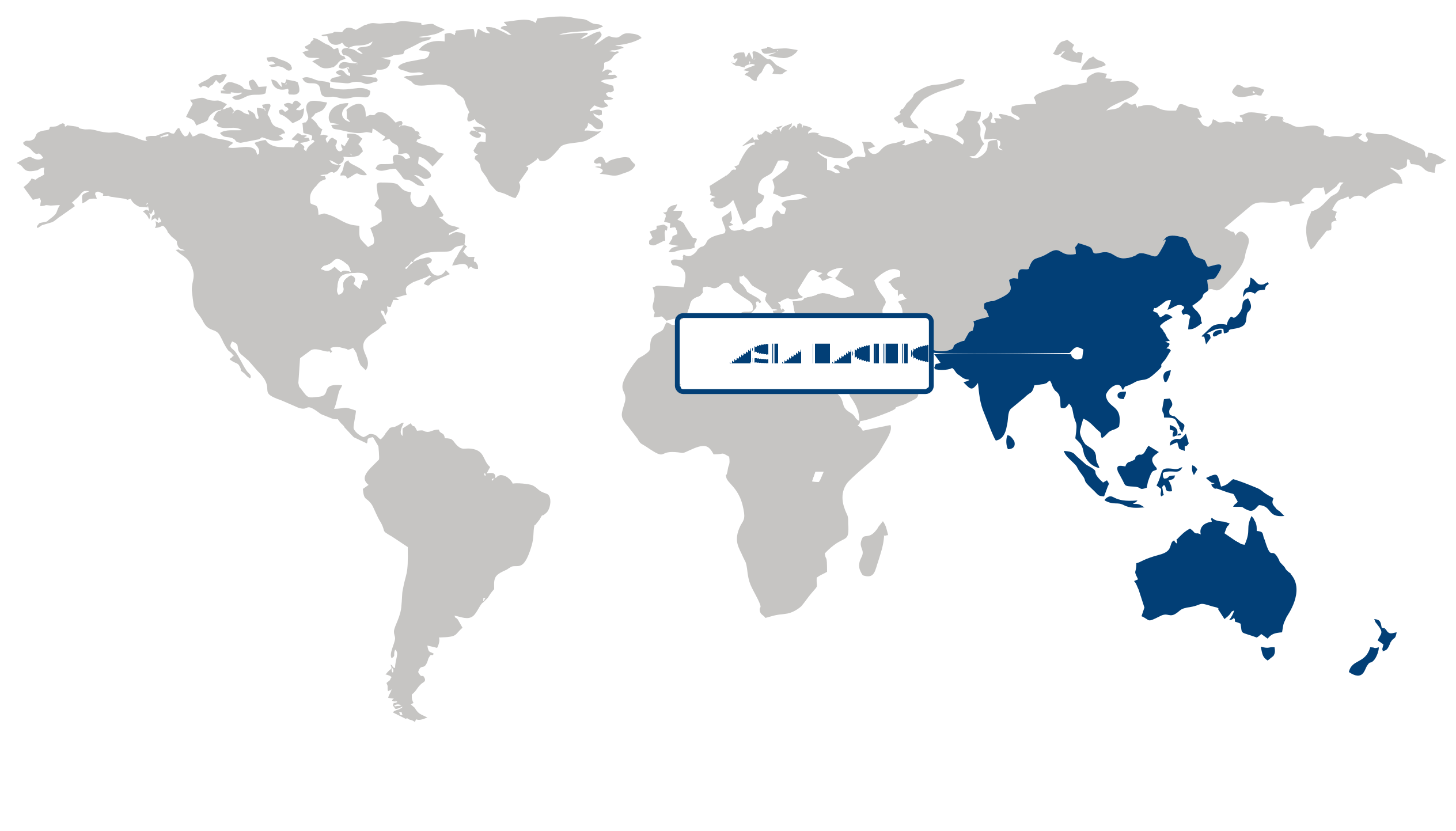
In the Asia Pacific region, countries like China, Japan, and South Korea are anticipated to showcase significant growth in the automotive brake-by-wire systems market. China, as the largest automotive market globally, is rapidly adopting advanced technologies to improve vehicle safety and efficiency. The push for electric vehicles in China is further intensifying the demand for brake-by-wire systems. Japan, home to major automotive manufacturers, is leveraging its technological expertise to integrate sophisticated braking systems, while South Korea's investments in smart mobility solutions are expected to contribute positively to market expansion. This collective effort is likely to place Asia Pacific at the forefront of the brake-by-wire market.
Europe
Europe is a vital market for automotive brake-by-wire systems, with countries like Germany, the UK, and France leading the charge. Germany stands out due to its strong automotive manufacturing sector, which is heavily investing in innovation and digitalization. The UK is also experiencing increased adoption of advanced braking technologies, driven by stringent safety regulations and a commitment to sustainability. France is focusing on integrating brake-by-wire systems in the burgeoning electric vehicle segment. As the region prioritizes safety standards and environmental concerns, significant growth is expected across these European countries, solidifying Europe’s position in the global market.
Go beyond the chart, access full insights & data tables
Request Free Sample ReportOverview of Automotive Brake-By-Wire (BBW) Systems Market
The Automotive Brake-By-Wire (BBW) systems market is poised for significant growth, driven by advancements in vehicle technology, safety regulations, and the shift towards electric and autonomous vehicles. This market features various components, types, vehicle categories, solutions, propulsion modes, and sales channels, each presenting unique dynamics that contribute to their overall market performance.
Component Analysis
Brake Pedal Sensor
The brake pedal sensor is crucial in detecting the driver's intention to stop. Its accuracy and reliability are pivotal, particularly with growing safety features in passenger and commercial vehicles.
Electronic Control Unit (ECU)
The ECU functions as the brain of the BBW system, processing input from various sensors and controlling actuators. Given the increasing complexity of vehicle systems, the demand for advanced ECUs is expected to rise sharply.
Brake Actuators
Brake actuators convert electronic signals into mechanical actions. The popularity of electro-mechanical and electro-hydraulic brakes augments the actuator demand, especially for electric vehicles where traditional systems may be less efficient.
Wheel Speed Sensors
Wheel speed sensors provide critical data for maintaining vehicle stability and traction control. The growing emphasis on safety features in vehicles, such as ABS and ESC, highlights the increasing importance of these sensors in the BBW system.
Steering Wheel Angle Sensors
These sensors improve the integration of BBW systems with vehicle dynamics control. Their importance is expected to rise with the advent of more sophisticated driving assistance systems.
Yaw Sensor
Yaw sensors enhance vehicle stability by detecting rotation around the vertical axis. As autonomous driving technologies evolve, so will the need for precise yaw measurements.
Pressure Sensor
Pressure sensors play a vital role in monitoring the hydraulic circuit's pressure, particularly in electro-hydraulic brake systems. Their relevance is increasing as manufacturers seek to enhance braking efficiency and safety.
Type Analysis
Electro-Hydraulic Brakes (EHB)
Electro-hydraulic braking systems offer better performance in terms of responsiveness and reliability. The increasing push towards more efficient braking systems in both conventional and electric vehicles reveals strong growth potential in this segment.
Electro-Mechanical Brakes (EMB)
EMB systems are gaining traction due to their lighter weight and energy efficiency. They are especially advantageous in electric vehicles, leading to accelerated adoption in this market segment.
Electric Parking Brakes (EPB)
EPBs are becoming standard in many modern vehicles for their convenience and safety benefits. With the trend towards compact design, the EPB segment is anticipated to expand rapidly.
Vehicle Type Analysis
Passenger Cars
The passenger car segment is expected to dominate the BBW systems market, driven by consumer demand for safety and enhanced driving experiences. The shift toward electric and autonomous vehicles further fuels the growth potential in this category.
Commercial Vehicles
With stringent safety regulations and the growing need for efficiency in logistics and transport, the commercial vehicle market is also experiencing significant growth in BBW systems.
Off-Highway Vehicles
The off-highway vehicle market, which includes construction and agriculture equipment, is beginning to adopt BBW technology for enhanced performance and safety features, indicating a growing niche market.
Two-Wheelers
Although the adoption rate of BBW systems in two-wheelers has been slower, advancements in technology may soon lead to increased acceptance, particularly in electric scooters and bikes.
Solution Analysis
One Box
One box solutions integrate various components into a single unit, offering simplicity and efficiency. This streamlined approach is appealing to manufacturers looking to enhance production efficiency and reduce costs.
Two Box
Two box solutions, which separate major components, cater to vehicle designs requiring more modular approaches. This segment is expected to grow as automakers seek flexible solutions for vehicle architecture.
Vehicle Propulsion Analysis
Internal Combustion Engine (ICE)
Vehicles with ICEs are still the largest market segment for BBW systems, although growth is tempered by the shift towards electric vehicles.
Electric Vehicles
With the rapid rise of electric vehicles, the demand for BBW systems is expected to surge, driven by the need for efficient braking solutions that complement electric propulsion systems. This segment represents one of the fastest-growing areas within the market.
Sales Channel Analysis
OEM (Original Equipment Manufacturer)
The OEM sales channel dominates the market, as vehicle manufacturers integrate BBW systems into new models. Strong partnerships between automakers and technology providers are expected to facilitate this segment's growth.
Aftermarket
The aftermarket channel, while smaller, presents opportunities for retrofitting existing vehicles with BBW technology. As awareness of safety and technological benefits increases, this segment may gain traction in upcoming years.
| Segment | Sub-Segment | Largest Segment | Fastest Growing |
|---|
Unlock insights tailored to your business with our bespoke market research solutions.
Click to get your customized report now.
Competitive Landscape and Market Positioning
The competitive landscape in the Automotive Brake-By-Wire Systems Market is characterized by rapid advancements in technology and a shift towards electric and autonomous vehicles. Major automotive manufacturers and suppliers are investing heavily in research and development to enhance braking system performance, aiming to improve vehicle safety, reduce weight, and increase fuel efficiency. Key players are increasingly collaborating with technology firms to innovate and integrate new functionalities, such as regenerative braking and electronic control systems. Furthermore, the growing trend toward electric vehicles and stringent safety regulations are propelling the adoption of brake-by-wire technology, intensifying competition among established players and new entrants in the market.
Top Market Players
1. Bosch
2. Continental AG
3. ZF Friedrichshafen AG
4. Nissin Brake
5. Hitachi Automotive Systems
6. Knorr-Bremse AG
7. Aisin Seiki Co., Ltd.
8. Hyndai Mobis
9. Brembo S.p.A
10. Mando Corporation
| Company | Market Share | Company Revenue | Revenue CAGR (%) | Product Portfolio | Geographic Presence | Innovation / R&D Focus | Strategic Developments |
|---|---|---|---|---|---|---|---|
| No companies available. | |||||||
Customize Your Report
Explore examples of how this report can be tailored to different research needs, including custom segments, additional topics or chapters, and related reports. Click a section of the wheel or its numbered marker to explore the available options.
Automotive Brake-By-Wire Systems Market — Custom Segments
| Segment | Sub-Segment |
|---|---|
| No segment data available. | |
Automotive Brake-By-Wire Systems Market — Custom TOC
| Custom Chapter | Chapter Details |
|---|---|
| No custom TOC data available. | |
Need a different cut of the data?
Request Custom ResearchFrequently Asked Questions
Our Clients
"The team surpassed our expectations with the report depth. The actionable insights provided proved crucial in navigating market challenges."
Tata Motors
"We found the report to be very informative. The expertise and attention to market nuances significantly influenced our business direction."
DENSO Corporation
"The consumer survey findings were quite good. We now have a clearer picture of the customer churning and retention strategy."
HL Mando
Our Research Team & Methodology
Every Fundamental Business Insights report is built by a dedicated vertical research team, validated through a structured primary-and-secondary methodology, and reviewed for accuracy before it reaches you.
This report was prepared by the Automotive & Transportation Research Team at Fundamental Business Insights, a dedicated research group specializing in the global automotive, mobility, and transportation industries. Our analysts continuously monitor vehicle technology advancements, electrification trends, autonomous and connected mobility, manufacturing developments, supply chain dynamics, regulatory standards, emissions policies, aftermarket activities, and evolving consumer and commercial transportation requirements to deliver timely and reliable market intelligence. The research is developed using a structured methodology that combines primary discussions with vehicle manufacturers, component suppliers, technology providers, distributors, logistics stakeholders, and industry experts, along with company annual reports, regulatory publications, government transportation statistics, industry associations, technical standards, and other authoritative secondary sources. Market estimates are validated through multiple research techniques, including top-down and bottom-up analysis, before undergoing an internal quality review to ensure accuracy, consistency, and methodological integrity prior to publication.
Delivery
Published
Available
Support
- Market Size & Forecast
- Market Segmentation
- Regional Analysis
- Growth Drivers & Challenges
- Market Dynamics
- Competitive Landscape
- Company Profiles
- Competitive Benchmarking
- Mergers & Acquisitions
- Market Share Analysis or Key Company Strategies
- Value Chain Analysis
- Porter's Five Forces
- PESTLE Analysis
- Pricing Trends
- Supply-Demand Analysis
- Technology Landscape
- Regulatory Landscape
- Investment & Funding Landscape
- Emerging Opportunities
- Future Market Outlook