Aircraft Aerostructure Market Size & Share, By Aircraft Type (Commercial Aircraft, Regional Aircraft, Business Jets, Military Aircraft), Material Type (Composite Materials, Metallic Materials, Hybrid Materials), Structure Type (Fuselage, Wings, Tail, Nacelles), Manufacturing Process (Conventional Manufacturing, Additive Manufacturing, Advanced Composites Manufacturing), Propulsion Type (Turbofan Engines, Turboprop Engines, Jet Engines) - Growth Trends, Regional Insights (U.S., Japan, South Korea, UK, Germany), Competitive Positioning, Global Forecast Report 2025-2034

Report ID: FBI 16286| Published Date: Apr-2025| Format: PDF, Excel
Jump to Content
Market Outlook

Market Size and Growth Outlook

Aircraft Aerostructure Market size is anticipated to grow significantly, reaching USD 229.8 billion by 2034, up from USD 142.43 billion. This growth represents a CAGR of over 4.9%, with a revenue forecast of USD 148.06 billion for 2025.

Base Year Value (2024)
USD 142.43 Billion
CAGR (2025-2034)
4.9%
Forecast Year Value (2034)
USD 229.8 Billion
Historical Data Period
2021-2024
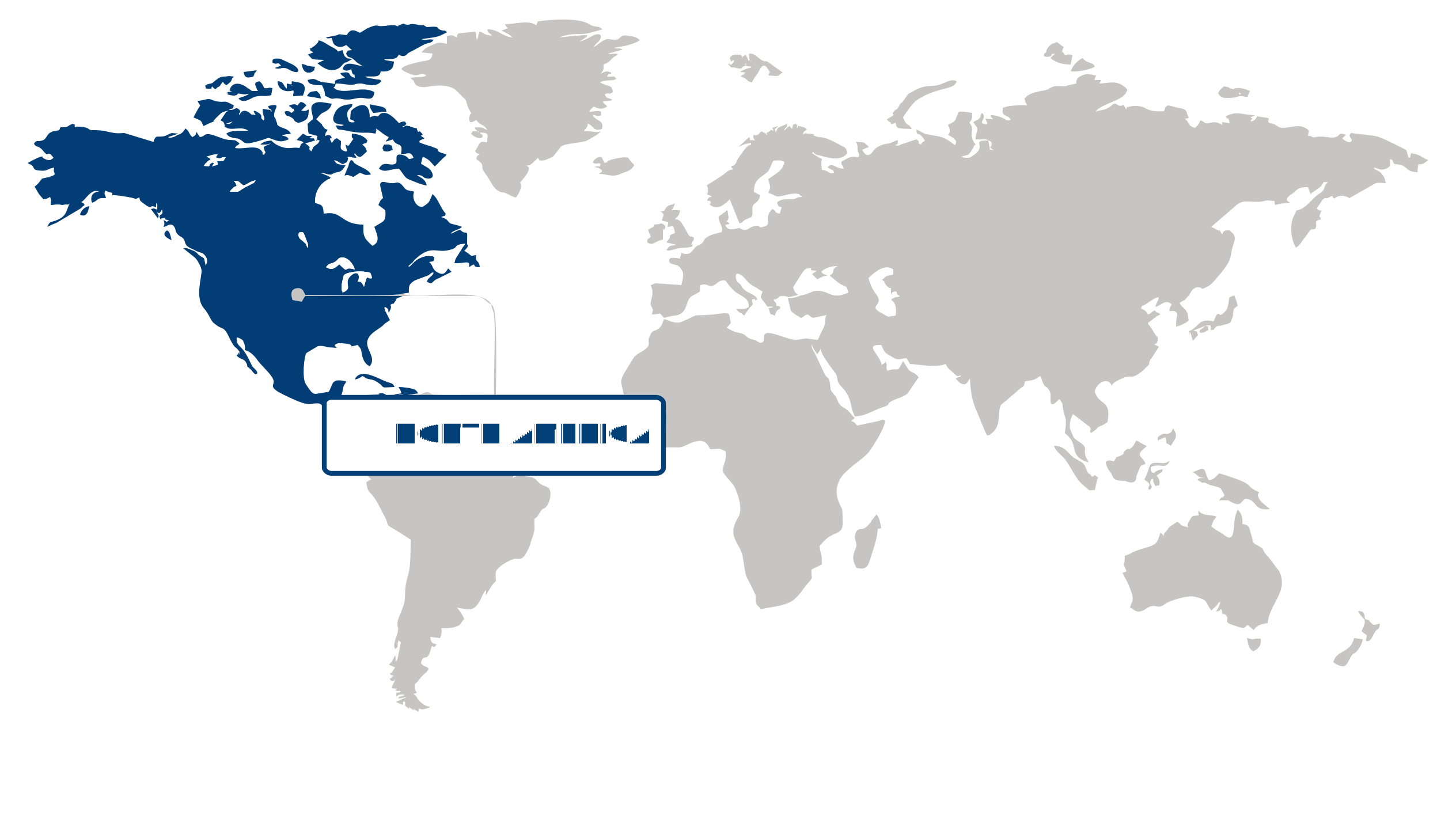
Largest Region
North America
Forecast Period
2025-2034

Get more details on this report

Request Free Sample Report
Snapshot

Aircraft Aerostructure Market Intelligence Snapshot

Regional Market Dynamics

Segment Momentum

Market Expansion Drivers

Leading Market Participants

Forecast Snapshot

Global Market Forecast Snapshot

Market Outlook

Regional and Segment Outlook

Market Dynamics

Market Growth Drivers and Industry Trends

Growth Drivers & Opportunities The Aircraft Aerostructure Market is experiencing significant growth driven by the increasing demand for air travel and the subsequent need for more aircraft. Factors such as rising passenger air traffic, expanding low-cost carriers, and freight capacity challenges have pushed manufacturers to ramp up production. As airlines seek to modernize their fleets for better fuel efficiency and performance, the demand for advanced aerostructures, which make up the primary framework of aircraft, has surged. The introduction of lightweight materials like composites and aluminum alloys is also contributing to this growth, as they enhance fuel efficiency and reduce operational costs. Furthermore, advancements in technology play a crucial role in shaping the market landscape. Innovations in additive manufacturing and automation are optimizing production processes, reducing costs, and improving precision and quality of aerostructures. Companies are investing in research and development to integrate cutting-edge technologies, such as artificial intelligence and machine learning, into their manufacturing and design processes. This not only leads to improved product offerings but also enhances competitiveness in a rapidly evolving market. The push towards sustainability is another significant growth driver. Regulatory measures across various regions are prompting manufacturers to adopt more eco-friendly practices and materials. The heightened focus on reducing carbon emissions aligns with global efforts to combat climate change, steering innovations towards the development of greener aircraft. Electric and hybrid aircraft concepts are gaining traction, creating new opportunities for aerostructure manufacturers to cater to emerging segments in the industry. Industry Restraints: Despite the promising growth outlook, the Aircraft Aerostructure Market faces several restraints that could hinder its progress. One of the primary challenges is the high initial investment required for manufacturing facilities, research, and development. The capital-intensive nature of this sector means that smaller manufacturers may struggle to compete with established players, thus limiting market diversity and innovation. Additionally, supply chain disruptions can significantly impact production timelines and costs. The pandemic highlighted vulnerabilities within global supply chains, with delays in the procurement of raw materials and components affecting manufacturers' efficiency. Ongoing geopolitical tensions and fluctuations in trade policies can further exacerbate these issues, leading to uncertainty in availability and pricing. Labor shortages in specialized fields also present a considerable challenge to the industry. As the sector evolves with advanced technologies, finding skilled workers who can adapt to new manufacturing techniques and tools has become increasingly difficult. This skill gap could result in production delays and hinder the technological advancements necessary for continued growth. Finally, stringent regulatory compliance and certifications pose ongoing challenges for aerostructure manufacturers. The need to meet domestic and international safety standards is paramount, and the lengthy process of acquiring the necessary approvals can slow down product development timelines. As regulations continue to evolve, manufacturers must remain agile and responsive to maintain compliance, which may strangle innovation if not managed effectively.

Explore Growth Opportunities

Request Free Sample Report
Regional Forecast

Regional Demand Dynamics

Aircraft Aerostructure Market
Largest Region
North America
XX% Market Share in 2024
North America The North American aircraft aerostructure market is primarily driven by the strong presence of key aerospace manufacturers and a robust defense industry. The United States stands out as the largest market in this region, fueled by significant investments in aerospace technology and a growing demand for commercial aircraft. Major players like Boeing and Lockheed Martin are based here, driving innovations in aerostructures and expanding production capabilities. Canada, while smaller in market size, is experiencing growth due to increasing contracts with U.S. firms and a focus on advanced manufacturing techniques. The region is also benefiting from the rising demand for lightweight materials and sustainable aviation solutions, which is expected to boost market dynamics. Asia Pacific Asia Pacific is poised for substantial growth in the aircraft aerostructure market, with countries like China and Japan leading the charge. China's commitment to developing its aerospace industry, marked by initiatives like the C919 aircraft, is propelling demand for aerostructures significantly. The Chinese government’s investment in indigenous aircraft development is expected to result in substantial market opportunities. Japan, with its advanced technology and a strong base in aerospace manufacturing, is also anticipated to contribute notably to the market. South Korea is emerging as a key player as well, with increasing investments in aerospace infrastructure and a focus on expanding its capability in the production of aircraft components. Europe In Europe, the aircraft aerostructure market is characterized by a mix of established industry leaders and innovative SMEs. The United Kingdom, Germany, and France are at the forefront of this sector, benefiting from strong aerospace research and development capabilities. The UK boasts companies like Airbus, which has significant production facilities within the country, propelling local aerostructure demand. Germany is notable for its engineering expertise and is a vital hub for aeronautical innovation, particularly in composite materials. France complements this dynamic with its robust supply chain and defense contracts, especially in the context of the European Union's initiatives to bolster its aerospace sector amidst global competition. The region is also seeing increasing collaboration on aerospace projects, enhancing growth potential.
🔒 Need data on a specific country or region? Individual country/region reports are available at discounted pricing. Inquire Before Buying

Go beyond the chart, access full insights & data tables

Request Free Sample Report
Aircraft Type The aircraft aerostructure market is substantially influenced by the different aircraft types, which include commercial aircraft, regional aircraft, business jets, and military aircraft. Commercial aircraft dominate the market due to the increasing global air travel and the demand for more fuel-efficient designs. The regional aircraft segment is also gaining ground, as regional airlines expand their fleets to meet rising passenger demand. Business jets are witnessing growth driven by a resurgence in corporate travel, while military aircraft remain significant due to ongoing defense spending and modernization of fleets. Among these, commercial aircraft are anticipated to exhibit the largest market size, with regional aircraft experiencing one of the fastest growth rates. Material Type When examining material types, the market is segmented into composite materials, metallic materials, and hybrid materials. Composite materials are leading the growth trend, primarily due to their favorable attributes such as lightweight, strength, and corrosion resistance, making them ideal for modern aircraft designs. Metallic materials maintain a significant presence owing to their established usage in the industry and robustness, while hybrid materials are emerging as a compelling choice, marrying the benefits of both composites and metals. The composite materials segment is poised for the largest market size, with an accelerated growth rate expected as advancements in material technology continue. Structure Type The structure type category comprises fuselage, wings, tail, and nacelles. The fuselage is the single largest segment due to its critical role in the aircraft's overall design and capacity for aerodynamics. Wings follow closely in importance, as they are essential for lift and overall aircraft performance. The nacelles and tail structures, while smaller in market share, are vital for propulsion efficiency and stability, respectively. The fuselage segment is likely to showcase the largest market size, and wings are projected to grow rapidly, fueled by innovations in aerodynamics and the need for improved fuel efficiency. Manufacturing Process The manufacturing process segment includes conventional manufacturing, additive manufacturing, and advanced composites manufacturing. Conventional manufacturing remains widely used due to its reliability and established practices. However, additive manufacturing is gaining traction, especially in producing complex geometries that traditional methods cannot achieve, thus enhancing customization and reducing waste. Advanced composites manufacturing is essential for leveraging the benefits of composite materials in aerostructures. The additive manufacturing segment is expected to witness the fastest growth, while traditional methods will continue to represent the largest share due to their pervasive nature in the industry. Propulsion Type In terms of propulsion types, the market is divided into turbofan engines, turboprop engines, and jet engines. Turbofan engines are predominant in commercial aviation due to their efficiency and performance in powering larger aircraft. Turboprop engines serve regional and smaller aircraft, offering operational cost advantages. Jet engines, while crucial across different segments, are particularly important for military applications, where performance and responsiveness are paramount. The turbofan engines segment is anticipated to have the largest market size, while turboprop engines are likely to experience the fastest growth as regional travel increases.
Segment Sub-Segment Largest Segment Fastest Growing
Custom Research

Unlock insights tailored to your business with our bespoke market research solutions.

Click to get your customized report now.

Request Customization →
Competitive Landscape

Competitive Landscape and Market Positioning

The aircraft aerostructure market is characterized by intense competition among both established players and emerging companies due to the increasing demand for fuel-efficient and lightweight aircraft. Innovations in materials and manufacturing technologies, such as the adoption of carbon fiber reinforced polymers, are driving growth in the sector. Leading companies are investing heavily in research and development to enhance their product offerings and improve production efficiency. Strategic partnerships and collaborations are also common as manufacturers seek to expand their global footprint while navigating challenges like supply chain disruptions and fluctuating raw material costs. The market is poised for significant expansion, supported by rising air travel and defense expenditure, making it a focal point for investment. Top Market Players 1. Boeing 2. Airbus 3. Lockheed Martin 4. Northrop Grumman 5. Bombardier 6. Safran 7. Spirit AeroSystems 8. GKN Aerospace 9. Leonardo S.p.A. 10. Collins Aerospace
Company Market Share Company Revenue Revenue CAGR (%) Product Portfolio Geographic Presence Innovation / R&D Focus Strategic Developments
No companies available.
🔒 This section is available as a standalone purchase. Buy only the data you need. Inquire Before Buying
Report Customization

Customize Your Report

Explore examples of how this report can be tailored to different research needs, including custom segments, additional topics or chapters, and related reports. Click a section of the wheel or its numbered marker to explore the available options.

1 Custom Segments 2 Custom TOC 3 Related Reports

Aircraft Aerostructure Market — Custom Segments

Segment Sub-Segment
No segment data available.

Aircraft Aerostructure Market — Custom TOC

Custom Chapter Chapter Details
No custom TOC data available.

Need a different cut of the data?

Request Custom Research
FAQ

Frequently Asked Questions

Testimonials

Our Clients

"The reports offered a comprehensive view of the Food and Beverage landscape, covering market trends, consumer behavior, and competitive dynamics."

Business Development Head
Terma A/S

"Our experience in acquiring market research reports has been outstanding — the depth of analysis and actionable insights have proven invaluable."

Safety Manager
The Aerospace Corporation

"Fundamental Business Insights demonstrated a keen understanding of our business needs, delivering reports tailored to our specific objectives."

Procurement Officer
Kongsberg Gruppen
THE RESEARCH BEHIND THIS REPORT

Our Research Team & Methodology

Every Fundamental Business Insights report is built by a dedicated vertical research team, validated through a structured primary-and-secondary methodology, and reviewed for accuracy before it reaches you.

THIS REPORT'S RESEARCH VERTICAL
Aerospace & Defence
Research Team Overview

This report was prepared by the Aerospace & Defence Research Team at Fundamental Business Insights, a dedicated research group specializing in global aerospace, defence, aviation, and space technology markets. The team closely tracks defense modernization programs, commercial aviation developments, aerospace manufacturing, government procurement, emerging technologies, regulatory requirements, geopolitical developments, supply chain resilience, and long-term investment trends to deliver timely and reliable market intelligence. The research is developed using a structured methodology that combines primary discussions with aerospace manufacturers, defense contractors, technology providers, component suppliers, industry experts, and other key stakeholders, along with company annual reports, government defense and aviation publications, regulatory authorities, industry associations, technical journals, and other authoritative secondary sources. Market estimates are validated through multiple research techniques, including top-down and bottom-up analysis, before undergoing an internal quality review to ensure accuracy, consistency, and methodological integrity prior to publication.

Prepared by the Aerospace & Defence Research Team
10+Industry Verticals
100+Countries Analyzed
5-7Days Standard
Delivery
13.8K+Research Reports
Published
On-DemandCustomized Research
Available
6Months Analyst
Support
PDF + XLSReport Deliverables
Trust & Compliance
D&B D-U-N-S
GDPR & CCPA Compliant
ISO 9001 Certified (ISO 9001:2015)
SSL Encryption
Secure Payments
Confidential Handling
Research Intelligence
Primary Research Network
Secondary Sources
Executive Leadership
Product & Technology Experts
Manufacturing & Operations Leaders
Procurement & Supply Chain Professionals
Sales & Commercial Executives
Channel Partners & Distribution Networks
Enterprise Buyers & End Users
Industry Consultants & Regulatory Experts
Research Workflow & Quality Assurance
01
Data Collection
Verified information gathered through primary and secondary research.
02
Data Triangulation
Cross-validation using multiple independent data sources.
03
Forecast Modelling
Market estimates developed using historical trends and analytical models.
04
Analyst Validation
Findings reviewed by domain experts for accuracy and consistency.
05
Editorial & Quality Review
Final editorial, quality, and compliance checks before publication.
06
Final Publication
Released after successful completion of the internal review process.
Report Coverage
Market Assessment
  • Market Size & Forecast
  • Market Segmentation
  • Regional Analysis
  • Growth Drivers & Challenges
  • Market Dynamics
🏢 Competitive Intelligence
  • Competitive Landscape
  • Company Profiles
  • Competitive Benchmarking
  • Mergers & Acquisitions
  • Market Share Analysis or Key Company Strategies
🔍 Strategic Analysis
  • Value Chain Analysis
  • Porter's Five Forces
  • PESTLE Analysis
  • Pricing Trends
  • Supply-Demand Analysis
🚀 Future Outlook
  • Technology Landscape
  • Regulatory Landscape
  • Investment & Funding Landscape
  • Emerging Opportunities
  • Future Market Outlook
Have a question about this report or need a custom scope?
Request Customization

Want this data scoped to your exact question?

Tell us the segments, regions, or competitors you need answered — an analyst will confirm scope before any custom work starts.

Talk to an Analyst →