AI In Medical Writing Market Size & Forecasts 2026-2035, By Segments (Type, End Use), Growth Opportunities, Innovation Landscape, Regulatory Shifts, Strategic Regional Insights (U.S., Japan, China, South Korea, UK, Germany, France), and Competitive Dynamics (IBM, Google, Microsoft, Linguamatics, Nuance Communications)
Jump to Content
Market Size and Growth Outlook
AI In Medical Writing Market size is estimated to increase from USD 955.06 million in 2025 to USD 3.07 billion by 2035, supported by a CAGR exceeding 12.4% during 2026-2035. In 2026, revenues are forecast to reach USD 1.06 billion.
Get more details on this report
Request Free Sample ReportAI In Medical Writing Market Intelligence Snapshot
Regional Market Dynamics
Segment Momentum
Market Expansion Drivers
Leading Market Participants
Global Market Forecast Snapshot
Market Outlook
Regional and Segment Outlook
Market Growth Drivers and Industry Trends
Adoption of AI-Driven Medical Writing Solutions in Pharma & Research
The increasing adoption of AI-driven medical writing solutions in the pharmaceutical and research sectors is transforming how companies approach documentation and regulatory compliance. As organizations face mounting pressure to streamline processes and enhance accuracy in reporting, AI technologies are emerging as essential tools. For instance, the European Medicines Agency has recognized the potential of AI to improve the efficiency of drug submissions, indicating a shift towards more automated, reliable documentation practices. This evolution not only addresses the demand for faster turnaround times but also significantly reduces human error, creating strategic opportunities for established players to enhance their service offerings and for new entrants to innovate with specialized solutions tailored to niche markets.
Development of AI & NLP Technologies for Medical Writing
The rapid development of AI and Natural Language Processing (NLP) technologies is reshaping the landscape of medical writing, making it more efficient and accessible. Companies like IBM Watson Health are leveraging advanced NLP algorithms to assist in generating clinical documentation, thereby reducing the burden on medical writers and enabling them to focus on more complex tasks. This technological evolution is crucial as the healthcare sector increasingly demands high-quality, consistent content that adheres to regulatory standards. The strategic implications are significant; established firms can integrate these technologies into their workflows for improved productivity, while startups can capitalize on gaps in the market by offering innovative AI solutions that cater specifically to evolving regulatory requirements.
Expansion of AI Adoption in Clinical Research & Biotech Sectors
The expansion of AI adoption in clinical research and biotech sectors is driving a paradigm shift in how medical writing is approached. With organizations like the FDA endorsing the use of AI for data analysis and reporting, the integration of these technologies is becoming a standard practice. This trend is not only enhancing the speed and accuracy of clinical trial documentation but also facilitating better decision-making through data-driven insights. For established players, this creates opportunities to enhance their competitive edge by adopting cutting-edge AI tools, while new entrants can find success by focusing on specialized software solutions that address the unique challenges faced by clinical researchers. As AI continues to permeate these sectors, the evolution of the AI in medical writing market will likely align with broader trends in digital transformation and regulatory adaptation.
Industry Restraints:
Regulatory Compliance Burdens
The AI in medical writing market faces significant constraints due to stringent regulatory compliance requirements. These regulations, enforced by entities such as the U.S. Food and Drug Administration (FDA) and the European Medicines Agency (EMA), necessitate rigorous validation processes for AI tools to ensure patient safety and data integrity. The complexity of these regulations can lead to operational inefficiencies as companies navigate extensive documentation and approval protocols. For instance, a report by Deloitte highlights that 60% of healthcare organizations cite compliance as a major barrier to adopting innovative technologies. This hesitance not only slows the pace of AI integration but also creates a competitive disadvantage for firms that are unable to swiftly adapt to the evolving regulatory landscape. As regulations become increasingly complex, market participants must invest heavily in compliance frameworks, which may deter new entrants lacking the necessary resources.
Data Privacy and Security Concerns
Another critical restraint is the growing concern surrounding data privacy and security in the AI in medical writing sector. With the implementation of regulations like the Health Insurance Portability and Accountability Act (HIPAA) in the U.S., companies are compelled to prioritize data protection, which can lead to heightened operational costs and complexities. According to a report by the World Health Organization, data breaches in healthcare have increased by 50% over the past three years, raising alarm over the vulnerabilities of AI systems. This environment fosters consumer hesitation, as patients and healthcare providers express reluctance to adopt AI solutions perceived as risky. Established companies may struggle to balance innovation with compliance, while new entrants face significant barriers to market entry. As data privacy regulations continue to evolve, the AI in medical writing market will likely see a sustained emphasis on secure, compliant solutions, shaping the development of technologies that prioritize user trust and data integrity.
| Growth Driver | Impact on CAGR | Regulatory Influence | Geographic Relevance | Adoption Rate | Impact Timeline |
|---|---|---|---|---|---|
| Adoption of AI-driven medical writing solutions in pharma & research | 4.00% | Short term (≤ 2 yrs) | North America, Europe (spillover: Asia Pacific) | Medium | Fast |
| Development of AI & NLP technologies for medical writing | 4.20% | Medium term (2–5 yrs) | Europe, North America (spillover: Asia Pacific) | Medium | Moderate |
| Expansion of AI adoption in clinical research & biotech sectors | 4.20% | Long term (5+ yrs) | Asia Pacific, Latin America (spillover: MEA) | Low | Moderate |
Explore Growth Opportunities
Request Free Sample ReportRegional Demand Dynamics
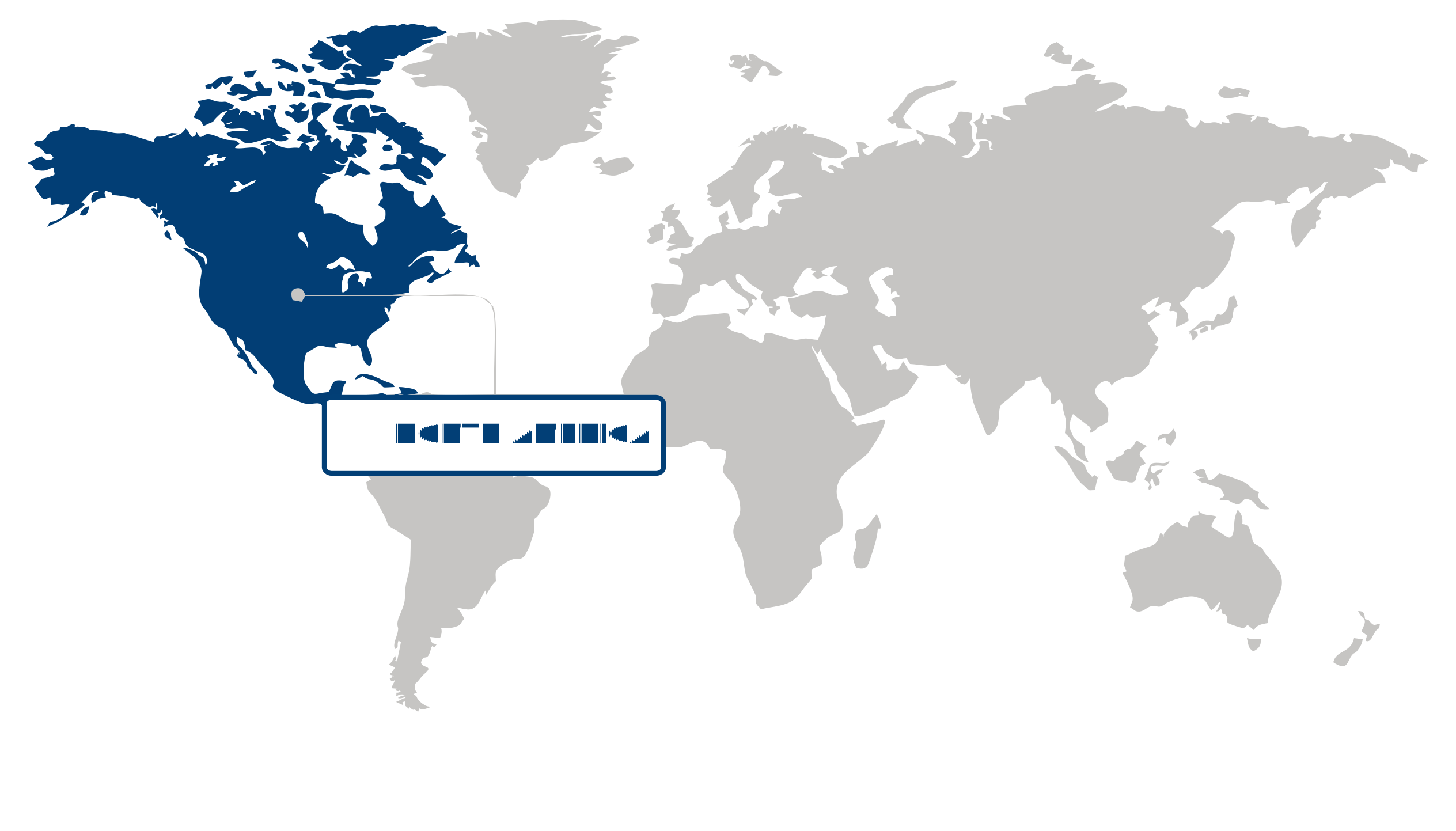
North America Market Statistics:
North America represented more than 41.2% of the global AI in medical writing market in 2025, establishing itself as the largest region in this sector. This dominance is driven by robust AI innovation and advancements in healthcare documentation, which are reshaping the landscape of medical writing. The region's leadership is further supported by a dynamic ecosystem that fosters cutting-edge technological developments and operational efficiencies, allowing for enhanced productivity and accuracy in medical content creation. Increased investments in healthcare technology, coupled with a growing emphasis on compliance and regulatory standards, are propelling the demand for AI-driven solutions in medical writing. The continuous evolution of digital transformation in healthcare, supported by organizations like the American Medical Association, underscores the region’s potential for sustained growth and innovation in this market.
The United States anchors the North American market for AI in medical writing, leveraging its position as a global leader in healthcare innovation. The country's emphasis on integrating AI technologies into medical documentation is evident through initiatives by the U.S. Food and Drug Administration, which promotes the use of AI for improving the efficiency and accuracy of medical writing. This strategic focus aligns with a consumer demand for faster and more reliable healthcare communication, driven by a well-informed population and a competitive healthcare landscape. Companies like IBM Watson Health are at the forefront, developing AI solutions that streamline the medical writing process, thereby enhancing the quality of patient care and regulatory compliance. As the U.S. continues to prioritize technological advancements in healthcare, it solidifies its role in driving regional opportunities in the AI in medical writing market.
Canada also plays a significant role in the North American AI in medical writing market, characterized by a collaborative approach to healthcare innovation. The country's healthcare system increasingly embraces AI technologies, as seen in initiatives by Health Canada that encourage the integration of AI for improving health outcomes and documentation processes. This trend reflects a cultural inclination towards adopting innovative solutions that enhance patient care and streamline regulatory compliance. Canadian companies are actively developing AI tools that cater to the unique needs of the healthcare sector, ensuring that medical writing meets stringent quality standards. As Canada continues to cultivate a supportive regulatory environment for AI applications in healthcare, it reinforces the region's overall growth potential in the AI in medical writing market.
Asia Pacific Market Analysis:
The Asia Pacific region emerged as the fastest-growing area in the AI in medical writing market, registering rapid growth with a robust CAGR of 14%. This remarkable expansion is primarily driven by rapid AI adoption in healthcare research, which is reshaping the landscape of medical writing by enhancing efficiency and accuracy. The region's significant investment in healthcare technology, coupled with a growing demand for innovative medical solutions, positions it as a critical hub for advancements in AI applications. As healthcare systems increasingly prioritize digital transformation, the integration of AI tools into medical writing processes is becoming essential for improving patient outcomes and streamlining regulatory compliance. Moreover, countries in this region are witnessing a shift in consumer preferences towards personalized medicine, which further fuels the need for sophisticated medical documentation and writing solutions, ultimately creating a fertile ground for AI-driven innovations.
Japan plays a pivotal role in the Asia Pacific AI in medical writing market, characterized by its advanced technological infrastructure and a strong emphasis on research and development. The country's healthcare sector is increasingly adopting AI technologies to enhance clinical trials and streamline documentation processes. For instance, the Japan Agency for Medical Research and Development (AMED) has been instrumental in promoting AI initiatives that improve the efficiency of medical writing, thereby supporting the rapid AI adoption in healthcare research. Furthermore, Japan's regulatory environment is evolving to accommodate AI innovations, allowing for faster approvals and integration of AI solutions in medical writing. This proactive stance not only enhances the competitive landscape but also positions Japan as a leader in the region, aligning with the broader trends of digital transformation and operational efficiency.
China, another key player in the Asia Pacific AI in medical writing market, is witnessing a surge in AI adoption fueled by government initiatives and substantial investments in healthcare technology. The country's focus on improving healthcare outcomes through AI is evident in programs supported by the National Health Commission, which encourage the use of AI in medical writing to enhance research efficiency and accuracy. As Chinese healthcare providers increasingly embrace digital solutions, there is a notable shift in consumer demand towards AI-enhanced medical documentation that supports personalized healthcare approaches. The competitive landscape is further intensified by local tech giants such as Alibaba Health and Tencent, which are developing AI tools tailored for medical writing, thereby driving innovation and improving service delivery. China's rapid advancements in AI technology not only contribute to its domestic market but also have significant implications for the broader Asia Pacific region, reinforcing its role as a vital contributor to the growth of the AI in medical writing market.
Europe Market Trends:
Europe held a commanding share in the AI in medical writing market, benefiting from a robust healthcare infrastructure and a strong emphasis on innovation. The region's significance is underscored by its advanced technological landscape, which fosters a conducive environment for AI-driven solutions in medical documentation. Notably, the European Medicines Agency (EMA) has been proactive in integrating AI technologies, reflecting a broader trend of regulatory frameworks adapting to digital advancements. This shift aligns with increasing consumer demand for efficient and accurate medical writing, driven by rising healthcare expenditures and a growing focus on patient-centric approaches. The region's commitment to sustainability and ethical standards further enhances its appeal, creating opportunities for companies that prioritize responsible AI applications in medical writing.
Germany plays a pivotal role in the AI in medical writing market, characterized by its strong industrial base and commitment to research and development. The country's investment in AI technologies is evident in initiatives such as the "AI Made in Germany" strategy, which aims to promote the adoption of AI across various sectors, including healthcare. This focus on technological advancement is complemented by a highly skilled workforce, which is crucial for the successful implementation of AI solutions. According to the German Federal Ministry of Health, there is an increasing demand for digital health solutions, further driving the adoption of AI in medical writing. This positions Germany as a key player in the European market, with significant implications for regional growth.
France also emerges as a significant contributor to the AI in medical writing market, fueled by a strong emphasis on digital transformation within its healthcare system. The French government has launched initiatives such as "France 2030," which aims to boost innovation and digitalization in healthcare, including the integration of AI technologies. This strategic direction aligns with consumer preferences for more efficient and accessible healthcare services. The French National Agency for the Safety of Medicines and Health Products (ANSM) has shown a willingness to embrace AI in regulatory processes, indicating a favorable environment for companies in the medical writing sector. France's commitment to fostering innovation and collaboration in healthcare positions it as a vital player in the European AI in medical writing market, enhancing the region's overall growth potential.
| Parameter | North America | Asia Pacific | Europe | Latin America | MEA |
|---|---|---|---|---|---|
| Innovation HubiScaleNascentDeveloping Advanced | |||||
| Cost-Sensitive RegioniScaleLowMedium High | |||||
| Regulatory EnvironmentiScaleRestrictiveNeutral Supportive | |||||
| Demand DriversiScaleWeakModerate Strong | |||||
| Development StageiScaleEmergingDeveloping Developed | |||||
| Adoption RateiScaleLowMedium High | |||||
| New Entrants / StartupsiScaleSparseModerate Dense | |||||
| Macro IndicatorsiScaleWeakStable Strong |
AI In Medical Writing Market Share (%), by Type, 2026
Go beyond the chart, access full insights & data tables
Request Free Sample ReportAnalysis by Type
AI in medical writing market is predominantly led by the clinical writing segment, which held a commanding 49.5% share in 2025. This leadership is driven by the high demand for regulatory documents, as pharmaceutical companies and regulatory agencies increasingly seek precision and compliance in documentation. The growing focus on patient safety and stringent regulatory requirements has heightened the need for accurate clinical writing, aligning with customer preferences for transparency and accountability. Notably, the European Medicines Agency emphasizes the importance of thorough documentation in clinical trials, reinforcing this segment's pivotal role. The strategic advantages for firms in this space include enhanced credibility and streamlined approval processes, positioning them favorably against competitors. Given the ongoing evolution of regulations and the increasing complexity of clinical trials, the clinical writing segment is expected to remain vital in the near to medium term.
Analysis by End Use
AI in medical writing market is significantly influenced by the pharmaceutical segment, which captured over 46.4% share in 2025. This dominance is propelled by the need for efficient documentation processes, as pharmaceutical companies strive to accelerate drug development while maintaining compliance with regulatory standards. The trend towards digital transformation in documentation practices is reshaping customer expectations, with organizations like the Food and Drug Administration advocating for faster, more efficient submission processes. Established firms benefit from leveraging AI to enhance document accuracy and reduce time-to-market, while emerging players can capitalize on innovations in AI-driven writing tools. As the pharmaceutical landscape continues to evolve, particularly with the rise of personalized medicine, the relevance of this segment is expected to persist, driven by ongoing advancements in technology and regulatory frameworks.
| Segment | Sub-Segment | Largest Segment | Fastest Growing |
|---|---|---|---|
| Type | Clinical Writing, Type Writing, Scientific Writing, Others | ||
| End Use | Medical Devices, Pharmaceutical, Biotechnology, Others |
Unlock insights tailored to your business with our bespoke market research solutions.
Click to get your customized report now.
Competitive Landscape and Market Positioning
Key players in the AI in medical writing market include industry giants such as IBM, Google, and Microsoft, each leveraging their extensive technological capabilities to enhance medical documentation processes. Linguamatics and Nuance Communications stand out with their specialized natural language processing solutions tailored for healthcare, while Elsevier and IQVIA bring their deep domain expertise and data analytics to the forefront. Parexel, Syneos Health, and Health Catalyst are also prominent, focusing on integrating AI-driven insights into clinical and regulatory writing, thereby enhancing the efficiency and accuracy of medical communications. This diverse array of players illustrates a rich ecosystem where technology meets healthcare expertise, fostering innovation and driving the market forward.
The competitive landscape in the AI in medical writing market is characterized by a dynamic interplay of strategic initiatives among the leading players. Companies are increasingly forming alliances and pursuing innovative product developments to enhance their offerings. For instance, collaborations focused on integrating AI capabilities into existing medical writing frameworks are becoming more common, allowing firms to streamline their processes and improve content quality. Additionally, investments in R&D are propelling advancements in natural language processing and machine learning, enabling these companies to deliver more sophisticated solutions. Such initiatives not only bolster individual market positions but also contribute to a collective push towards greater efficiency and innovation across the sector.
Strategic / Actionable Recommendations for Regional Players
In North America, fostering partnerships with technology startups specializing in AI can enhance capabilities and drive innovation in medical writing. Engaging with academic institutions for collaborative research can also facilitate the development of cutting-edge solutions tailored to specific healthcare needs.
In the Asia Pacific region, tapping into local healthcare ecosystems through alliances with hospitals and research organizations can provide valuable insights and accelerate adoption of AI-driven writing tools. Focusing on training and education initiatives can also empower healthcare professionals to effectively leverage these technologies in their practices.
For Europe, addressing regulatory nuances through collaborations with local compliance experts can enhance the credibility of AI solutions in medical writing. Additionally, targeting high-growth sub-segments, such as personalized medicine documentation, can position players advantageously in a rapidly evolving landscape.
| Company | Market Share | Company Revenue | Revenue CAGR (%) | Product Portfolio | Geographic Presence | Innovation / R&D Focus | Strategic Developments |
|---|---|---|---|---|---|---|---|
| No companies available. | |||||||
Customize Your Report
Explore examples of how this report can be tailored to different research needs, including custom segments, additional topics or chapters, and related reports. Click a section of the wheel or its numbered marker to explore the available options.
AI In Medical Writing Market — Custom Segments
| Segment | Sub-Segment |
|---|---|
| No segment data available. | |
AI In Medical Writing Market — Custom TOC
| Custom Chapter | Chapter Details |
|---|---|
| No custom TOC data available. | |
Need a different cut of the data?
Request Custom ResearchFrequently Asked Questions
What is the market size of AI in medical writing?
What is the expected industry size of AI in medical writing by 2035?
Which geographical area accounts for the highest portion of the AI in medical writing industry?
In which region is the AI in medical writing sector expanding most rapidly?
Why does clinical writing sub-segment dominate the type segment of AI in medical writing sector?
How does pharmaceutical sub-segment fare in the AI in medical writing industry?
Which organizations are considered leaders in the AI in medical writing landscape?
Our Clients
"The team took the time to understand our specific business needs and delivered a report that was well aligned with our objectives. Their expertise and understanding of the industry were clearly reflected in the quality and relevance of the insights provided."
Siemens Healthcare
"Our experience in acquiring the research report has been excellent. The depth of analysis, and actionable insights provided have been extremely valuable in supporting our ongoing R&D efforts."
GC Biopharma
"The report offered a comprehensive view of the market trends. The in-depth segmentation and analysis of emerging opportunities gave us a better understanding of the market."
Medtronic
Our Research Team & Methodology
Every Fundamental Business Insights report is built by a dedicated vertical research team, validated through a structured primary-and-secondary methodology, and reviewed for accuracy before it reaches you.
This report was prepared by the Healthcare & Medical Devices Research Team at Fundamental Business Insights, a dedicated research group specializing in the global healthcare and medical technology industry. Our analysts continuously monitor advancements in medical technologies, clinical adoption trends, regulatory developments, reimbursement policies, healthcare infrastructure investments, competitive strategies, and evolving patient care requirements to deliver timely and reliable market intelligence. The research is developed using a structured methodology that combines primary discussions with healthcare stakeholders, company financial disclosures, regulatory publications, clinical literature, government healthcare databases, medical associations, and other authoritative secondary sources. Market estimates are validated through multiple research techniques, including top-down and bottom-up analysis, before undergoing an internal quality review to ensure accuracy, consistency, and methodological integrity prior to publication.
Delivery
Published
Available
Support
- Market Size & Forecast
- Market Segmentation
- Regional Analysis
- Growth Drivers & Challenges
- Market Dynamics
- Competitive Landscape
- Company Profiles
- Competitive Benchmarking
- Mergers & Acquisitions
- Market Share Analysis or Key Company Strategies
- Value Chain Analysis
- Porter's Five Forces
- PESTLE Analysis
- Pricing Trends
- Supply-Demand Analysis
- Technology Landscape
- Regulatory Landscape
- Investment & Funding Landscape
- Emerging Opportunities
- Future Market Outlook