3-Mercaptopropionic Acid Market Size & Share, By Product Type (Above 99.0% and Below 99.0%), Application (Pharmaceuticals, Chemicals, Polymers and Plastics) - Growth Trends, Regional Insights (U.S., Japan, South Korea, UK, Germany), Competitive Positioning, Global Forecast Report 2025-2034
Jump to Content
Market Size and Growth Outlook
3-Mercaptopropionic Acid Market size is expected to expand from USD 104.9 million in 2024 to USD 170.87 million by 2034, demonstrating a CAGR of more than 5% between 2025 and 2034. In 2025, the industry revenue is estimated to reach USD 109.62 million.
Get more details on this report
Request Free Sample Report3-Mercaptopropionic Acid Market Intelligence Snapshot
Regional Market Dynamics
Segment Momentum
Market Expansion Drivers
Leading Market Participants
Global Market Forecast Snapshot
Market Outlook
Regional and Segment Outlook
Market Growth Drivers and Industry Trends
Growth Drivers & Opportunity:
1. Increasing Demand from Pharmaceuticals: The pharmaceutical industry is a major consumer of 3-Mercaptopropionic Acid due to its use in the production of pharmaceutical intermediates and active pharmaceutical ingredients (APIs). The growing demand for pharmaceuticals globally is expected to drive the growth of the 3-Mercaptopropionic Acid market.
2. Rising Demand for Personal Care Products: 3-Mercaptopropionic Acid is used in the production of personal care products such as hair care and skin care formulations. With the growing emphasis on personal grooming and wellness, there is an increasing demand for these products, driving the growth of the 3-Mercaptopropionic Acid market.
3. Technological Advancements in Production Processes: Advancements in production processes have made 3-Mercaptopropionic Acid more cost-effective and efficient to produce. This has led to an increase in its availability and affordability, driving its demand across various end-use industries.
4. Growing Applications in Other Industries: 3-Mercaptopropionic Acid is also used in other industries such as food and beverage, agriculture, and textiles. The expanding applications of 3-Mercaptopropionic Acid in these industries are expected to create new growth opportunities for market players.
Industry Restraints:
1. Stringent Regulations and Compliance Requirements: The 3-Mercaptopropionic Acid market is subject to stringent regulations and compliance requirements, especially in the pharmaceutical and personal care industries. This can pose challenges for market players in terms of meeting quality standards and obtaining necessary certifications.
2. Environmental Concerns and Health Hazards: The production and use of 3-Mercaptopropionic Acid can pose environmental and health risks if not handled properly. This has led to increasing scrutiny and concerns regarding its usage, which could restrain market growth.
3. Fluctuating Prices of Raw Materials: The production of 3-Mercaptopropionic Acid relies on certain raw materials, the prices of which can be volatile. Fluctuations in raw material prices can impact the overall production costs and pricing of 3-Mercaptopropionic Acid, posing a challenge for market players.
Explore Growth Opportunities
Request Free Sample ReportRegional Demand Dynamics
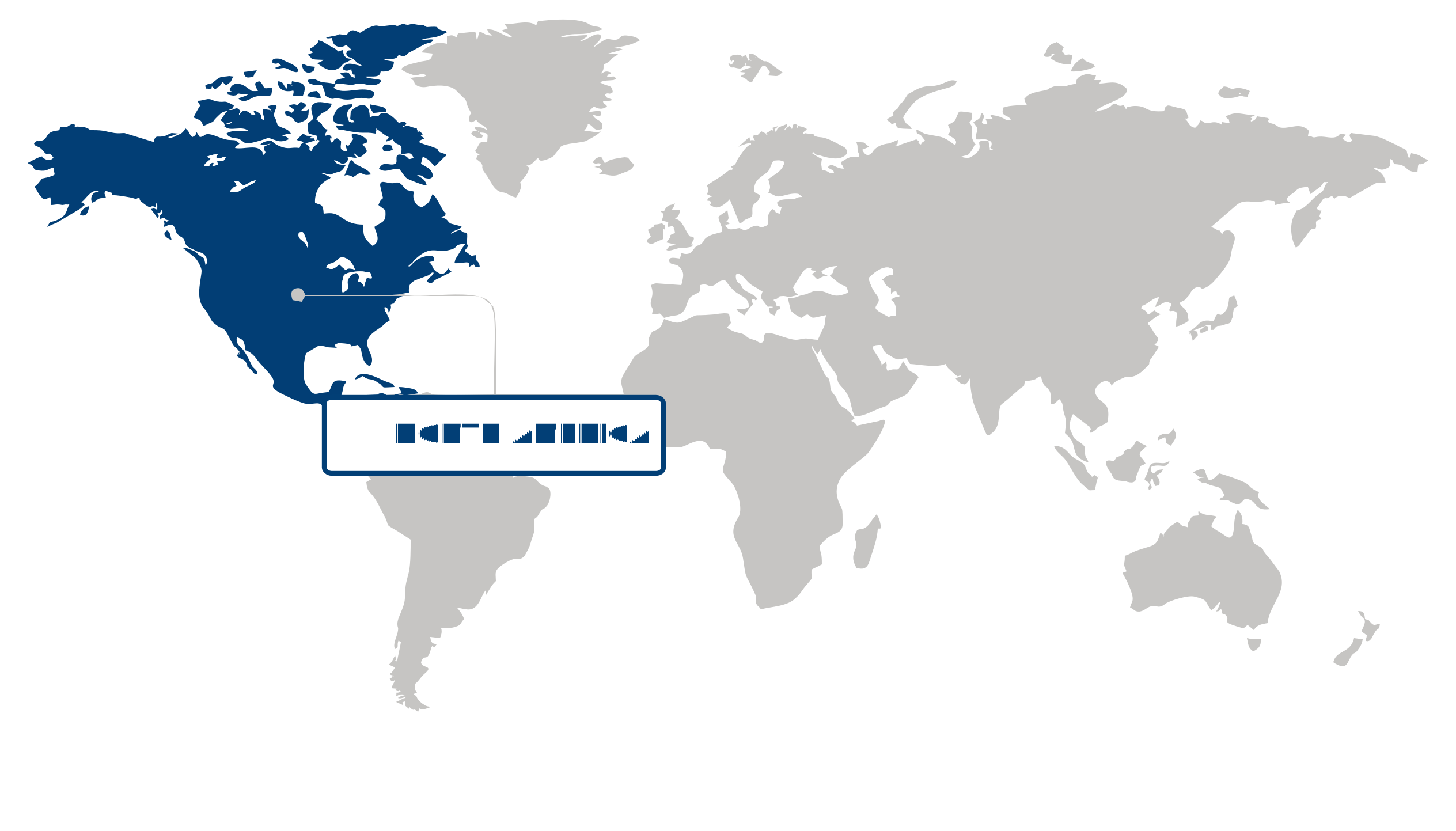
North America:
The North America 3-Mercaptopropionic Acid market is expected to experience steady growth in the coming years, with the United States and Canada being the key regions driving this growth. The increasing demand for 3-Mercaptopropionic Acid in various industries such as pharmaceuticals, agriculture, and chemical synthesis is contributing to the market growth in this region. The presence of a well-established chemical industry and a growing focus on sustainable and eco-friendly products are further boosting the market for 3-Mercaptopropionic Acid in North America.
Asia Pacific:
In the Asia Pacific region, China, Japan, and South Korea are the key markets for 3-Mercaptopropionic Acid. The increasing industrialization and rapid economic growth in these countries are driving the demand for 3-Mercaptopropionic Acid. China, in particular, is a major producer and consumer of 3-Mercaptopropionic Acid due to its large-scale chemical and pharmaceutical industries. The growing emphasis on research and development activities in Japan and South Korea is also expected to fuel the market growth in these countries.
Europe:
In Europe, the United Kingdom, Germany, and France are the primary markets for 3-Mercaptopropionic Acid. The presence of a well-established pharmaceutical and chemical industry in these countries is driving the demand for 3-Mercaptopropionic Acid. Additionally, the increasing focus on sustainability and environmental regulations in Europe is creating opportunities for the growth of eco-friendly chemical products such as 3-Mercaptopropionic Acid. The region is also witnessing a surge in research and development activities related to the use of 3-Mercaptopropionic Acid in various applications, further propelling market growth.
Go beyond the chart, access full insights & data tables
Request Free Sample ReportSegment Analysis of 3-Mercaptopropionic Acid Market
Product Type
3-Mercaptopropionic acid (3-MPA) is primarily used in two forms: solid and liquid. The solid form of 3-MPA is mainly used in industries for manufacturing purposes, such as in the production of pharmaceuticals, agrochemicals, and polymers. On the other hand, the liquid form of 3-MPA is commonly used for applications requiring a more fluid consistency, such as in the production of adhesives, coatings, and lubricants. The product type segment analysis of 3-Mercaptopropionic Acid market provides insight into the specific uses and market demands for both the solid and liquid forms of this versatile chemical.
Application
The application segment analysis of 3-Mercaptopropionic Acid market provides a comprehensive understanding of the various industries and uses for this chemical compound. In the pharmaceutical industry, 3-MPA is utilized as a key ingredient in the production of certain drugs and medicines. Its ability to act as a stabilizer and antioxidant makes it an important component in pharmaceutical formulations. Additionally, 3-MPA is used in the production of agrochemicals, where its properties as a chelating agent and corrosion inhibitor make it an essential ingredient in pesticides and herbicides. Furthermore, 3-MPA is widely used in polymer production, where it acts as a chain transfer agent and helps regulate the molecular weight of polymers and plastics. The application segment analysis of 3-Mercaptopropionic Acid market showcases the wide range of industries that rely on this chemical compound for their manufacturing processes.
By providing detailed insights into the product type and application segments of the 3-Mercaptopropionic Acid market, businesses and industry professionals can better understand the specific uses and demands for this chemical compound. This knowledge can help companies tailor their production and marketing strategies to meet the unique needs of each segment, ultimately leading to greater success and growth in the market.
| Segment | Sub-Segment | Largest Segment | Fastest Growing |
|---|
Unlock insights tailored to your business with our bespoke market research solutions.
Click to get your customized report now.
Competitive Landscape and Market Positioning
The competitive landscape in the 3-Mercaptopropionic Acid Market is highly competitive and fragmented, with numerous players striving to gain a competitive edge in the market. The market is characterized by intense rivalry among key players, leading to the constant introduction of new products, technological advancements, and strategic collaborations. Additionally, the market players are continuously focusing on enhancing their product portfolio, expanding their global footprint, and improving their distribution networks to stay ahead in the market. The increasing demand for 3-Mercaptopropionic Acid across various industries such as pharmaceuticals, agriculture, and chemicals is further intensifying the competition in the market.
Top Market Players:
1. BASF SE
2. Merck KGaA
3. Thermo Fisher Scientific
4. Tokyo Chemical Industry Co., Ltd.
5. Arkema
6. Finetech Industry Limited
7. Alfa Aesar
8. Sigma-Aldrich Corporation
9. Ricca Chemical Company
10. DOW Chemical Company
| Company | Market Share | Company Revenue | Revenue CAGR (%) | Product Portfolio | Geographic Presence | Innovation / R&D Focus | Strategic Developments |
|---|---|---|---|---|---|---|---|
| No companies available. | |||||||
Customize Your Report
Explore examples of how this report can be tailored to different research needs, including custom segments, additional topics or chapters, and related reports. Click a section of the wheel or its numbered marker to explore the available options.
3-Mercaptopropionic Acid Market — Custom Segments
| Segment | Sub-Segment |
|---|---|
| No segment data available. | |
3-Mercaptopropionic Acid Market — Custom TOC
| Custom Chapter | Chapter Details |
|---|---|
| No custom TOC data available. | |
Need a different cut of the data?
Request Custom ResearchFrequently Asked Questions
Our Clients
"The report helped us understand emerging consumer trends in our product category. It clarified where to focus innovation for the next product launch."
LyondellBasell
"The regional forecast section was incredibly useful. We were able to identify two new potential partners in Europe thanks to the vendor mapping you included."
SABIC
"We appreciated how actionable the recommendations were. It guided us to improve supply chain resilience."
Olin Corporation
Our Research Team & Methodology
Every Fundamental Business Insights report is built by a dedicated vertical research team, validated through a structured primary-and-secondary methodology, and reviewed for accuracy before it reaches you.
This report was prepared by the Chemicals & Materials Research Team at Fundamental Business Insights, a dedicated research group specializing in the global chemicals, advanced materials, and industrial manufacturing sectors. Our analysts continuously monitor raw material supply chains, feedstock pricing, production technologies, regulatory developments, sustainability initiatives, environmental compliance, trade dynamics, and evolving end-use applications to deliver timely and reliable market intelligence. The research is developed using a structured methodology that combines primary discussions with manufacturers, raw material suppliers, distributors, and industry experts, along with company annual reports, regulatory publications, government trade statistics, industry associations, technical literature, patent databases, and other authoritative secondary sources. Market estimates are validated through multiple research techniques, including top-down and bottom-up analysis, before undergoing an internal quality review to ensure accuracy, consistency, and methodological integrity prior to publication.
Delivery
Published
Available
Support
- Market Size & Forecast
- Market Segmentation
- Regional Analysis
- Growth Drivers & Challenges
- Market Dynamics
- Competitive Landscape
- Company Profiles
- Competitive Benchmarking
- Mergers & Acquisitions
- Market Share Analysis or Key Company Strategies
- Value Chain Analysis
- Porter's Five Forces
- PESTLE Analysis
- Pricing Trends
- Supply-Demand Analysis
- Technology Landscape
- Regulatory Landscape
- Investment & Funding Landscape
- Emerging Opportunities
- Future Market Outlook