2-Aminobenzonitrile Market Size & Forecasts 2026-2035, By Segments (Grade, Distribution Channel, Application, End-use Industry), Growth Opportunities, Innovation Landscape, Regulatory Shifts, Strategic Regional Insights (U.S., Japan, China, South Korea, UK, Germany, France), and Competitive Dynamics (Eastman Chemical, BASF, Lanxess, Mitsui Chemicals, AkzoNobel)
Jump to Content
Market Size and Growth Outlook
2-Aminobenzonitrile Market size is forecasted to reach USD 7.16 billion by 2035, rising from USD 5.43 billion in 2025, at a CAGR of more than 2.8% between 2026 and 2035. In 2026, revenue is projected at USD 5.57 billion.
Get more details on this report
Request Free Sample Report2-Aminobenzonitrile Market Intelligence Snapshot
Regional Market Dynamics
Segment Momentum
Market Expansion Drivers
Leading Market Participants
Global Market Forecast Snapshot
Market Outlook
Regional and Segment Outlook
Market Growth Drivers and Industry Trends
The rising need for pharmaceutical intermediates is a pivotal growth driver for the 2-aminobenzonitrile market, given its critical role in drug synthesis. With global health agencies like the U.S. Food and Drug Administration (FDA) encouraging streamlined access to essential medicines, manufacturers increasingly seek reliable intermediates like 2-aminobenzonitrile to expedite production pipelines. Companies such as Pfizer and Novartis have spotlighted innovation in intermediate sourcing to enhance drug safety and efficacy. This trend offers strategic openings for incumbents to deepen partnerships with pharmaceutical clients and for new entrants to differentiate via high-purity, regulatory-compliant products. As healthcare demands evolve, maintaining supply chain agility and compliance will enable resilient growth within the 2-aminobenzonitrile market.
API Manufacturing Capacity Expansion
Expansion in active pharmaceutical ingredient (API) manufacturing capacity, especially across Asia-Pacific hubs like India and China, strongly influences the 2-aminobenzonitrile market. Regulatory bodies such as India’s Central Drugs Standard Control Organization (CDSCO) have streamlined facility approvals, enabling firms like Aurobindo Pharma and Zhejiang Huahai Pharmaceutical to enlarge API output. This enhancement in production scale bolsters demand for intermediate chemicals including 2-aminobenzonitrile, while driving competitive pricing and supply reliability. Market participants can capitalize on this by scaling operations and integrating vertically to optimize cost structures. Ongoing infrastructure investments and supportive industrial policies reinforce the pivotal role of API expansion in shaping the 2-aminobenzonitrile market landscape.
Increasing Specialty Chemical Penetration
The growing incorporation of specialty chemicals in niche applications accelerates demand within the 2-aminobenzonitrile market. Specialty chemical firms such as BASF and Huntsman Corporation have underscored innovation in performance-driven solutions, which rely on tailored intermediates like 2-aminobenzonitrile for advanced materials and agrochemical syntheses. This shift towards specialty applications reflects broader sustainability and efficiency priorities, as evidenced by regulatory encouragement from bodies like the European Chemicals Agency (ECHA) on green chemistry. For market players, this trend offers avenues to develop value-added products and cater to refined customer needs. Continued R&D investments and close engagement with end-users will shape future competitive dynamics in the 2-aminobenzonitrile market.
Industry Restraints:
Regulatory Stringency and Compliance Costs
Stringent regulatory frameworks governing chemical manufacturing and safety significantly constrain the 2-aminobenzonitrile market. Compliance with hazardous material handling, environmental discharge limits, and worker safety standards imposes substantial operational complexities and cost burdens. For instance, the U.S. Environmental Protection Agency (EPA) enforces strict reporting and emission controls under the Toxic Substances Control Act (TSCA), increasing capital expenditure for manufacturers. Similarly, the European Chemicals Agency (ECHA) mandates rigorous REACH registrations that necessitate extensive testing and documentation. These compliance hurdles disproportionately impact smaller players lacking resources for swift regulatory adaptation, thus raising barriers to entry and limiting market expansion. Established companies must allocate considerable budgets to maintain certifications, diverting funds from innovation. Given the intensifying global emphasis on chemical safety and environmental stewardship, these regulatory constraints will persist, compelling firms to invest in sustainable practices and advanced process controls to remain competitive.
Feedstock Price Volatility and Supply Chain Disruptions
Volatility in key raw materials, such as benzonitrile precursors, alongside supply chain uncertainties, curtails the momentum of the 2-aminobenzonitrile market. Recently, disruptions reported by Chemours and BASF from geopolitical tensions and pandemic-driven logistics bottlenecks have underscored vulnerabilities in global chemical supply networks. Fluctuating feedstock prices escalate production costs unpredictably, squeezing profit margins and dampening production scale-up incentives. This instability particularly challenges new entrants and smaller producers, who have limited leverage in supplier negotiations and less financial cushioning against disruptions. Strategic sourcing and inventory management complexity rise, forcing companies to adopt reactive rather than proactive planning. Moving forward, sustained global trade tensions and intermittent raw material shortages are likely to maintain pressure on market stability, driving increased consolidation and strategic partnerships to enhance supply resilience.
| Growth Driver | Impact on CAGR | Regulatory Influence | Geographic Relevance | Adoption Rate | Impact Timeline |
|---|---|---|---|---|---|
| Pharmaceutical intermediate demand | 1.80% | Short term (≤ 2 yrs) | Asia Pacific, Europe | Medium | Fast |
| API manufacturing expansion | 1.40% | Medium term (2–5 yrs) | North America | Medium | Moderate |
| Specialty chemical penetration | 0.80% | Long term (5+ yrs) | MEA, Latin America | Low | Slow |
Explore Growth Opportunities
Request Free Sample ReportRegional Demand Dynamics
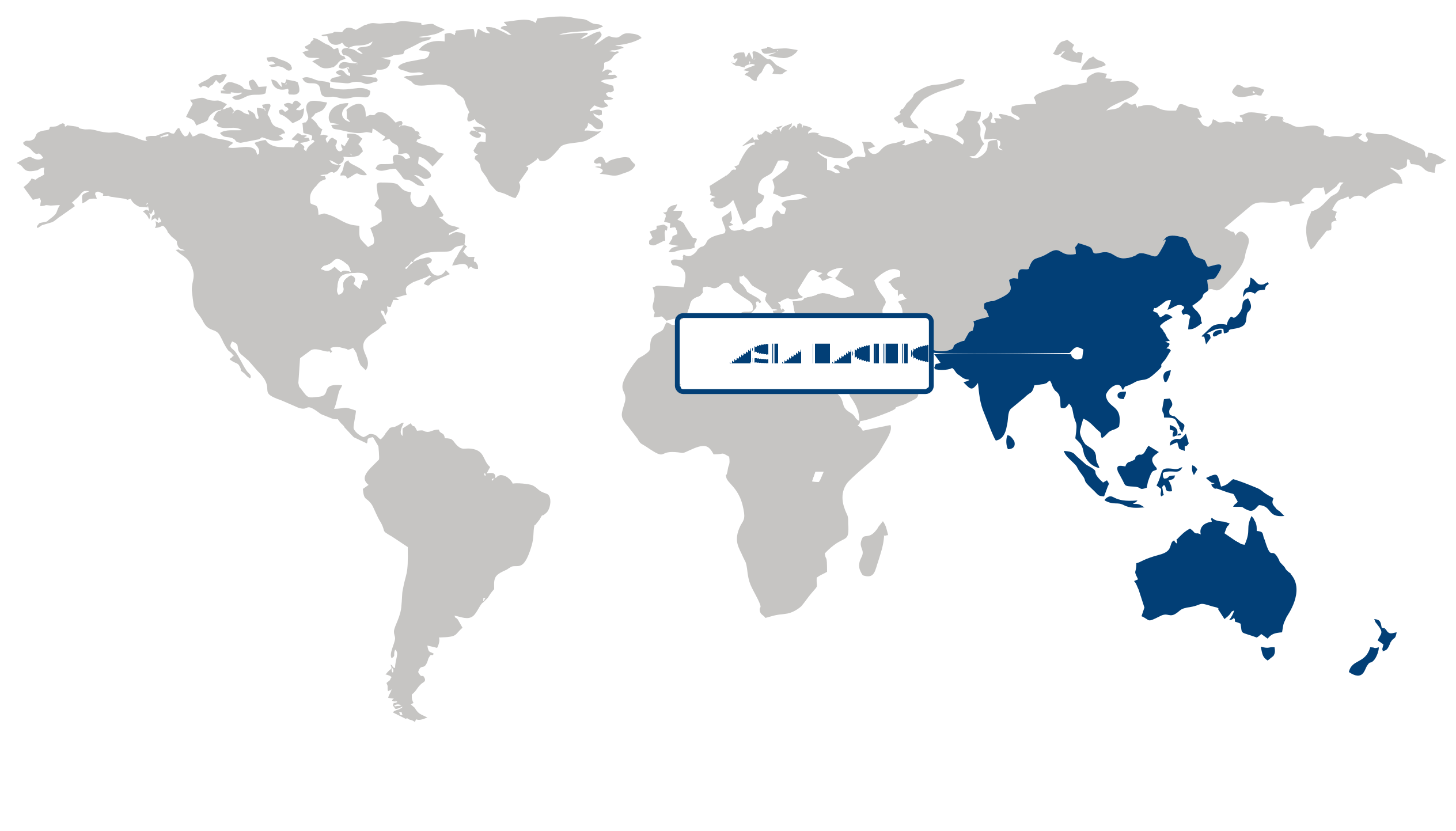
The Asia Pacific region dominated the 2-aminobenzonitrile market in 2025, representing over 55% of the global share and exhibiting the fastest growth with a 3.4% CAGR. This leadership is primarily driven by the rapid expansion of pharmaceutical intermediate and pigment production scales, fueled by rising healthcare demands and vibrant industrial activities. For instance, Japan’s Ministry of Economy, Trade and Industry (METI) highlights increased investment in advanced pigment manufacturing technologies, while China’s National Health Commission notes a surge in pharmaceutical production capacity. Increasing urbanization and consumer health awareness have restructured demand patterns, prompting manufacturers to adopt innovative and sustainable processing methods. Moreover, favorable trade policies and strong supply chain networks across Asia Pacific enhance market accessibility. These factors position the region not only as the largest but also the most dynamic hub for 2-aminobenzonitrile, offering promising entry points for investors and strategic expansion for multinational corporations.
Japan serves as a pivotal hub in the Asia Pacific 2-aminobenzonitrile market, characterized by its advanced pharmaceutical research landscape and stringent regulatory frameworks that encourage high-quality intermediate production. The Pharmaceuticals and Medical Devices Agency (PMDA) in Japan enforces rigorous standards that drive innovation and ensure product reliability, propelling pharmaceutical companies like Eisai Co., Ltd. to expand 2-aminobenzonitrile-based synthesis pathways. This environment attracts global partnerships and investment inflows, reinforcing Japan’s role as a technological and quality leader. The robust domestic demand, paired with export-driven strategies, underscores Japan’s strategic importance in the regional value chain, amplifying the overall Asia Pacific market’s momentum.
China anchors the Asia Pacific 2-aminobenzonitrile market by leveraging its large-scale pharmaceutical and pigment manufacturing industries supported by government initiatives promoting chemical sector modernization. The Ministry of Industry and Information Technology (MIIT) actively supports enhancements in production efficiency and environmental compliance, accelerating adoption of greener technologies. Companies such as China National Chemical Corporation are expanding capacities to meet both domestic and global market demands, driven by growing healthcare consumption and urban infrastructure development. This scale and policy-backed growth ensure China’s critical contribution to regional market expansion, aligning with Asia Pacific’s broader trajectory of rapid industrialization and innovation in 2-aminobenzonitrile production.
Europe Market Analysis:
Europe maintained a commanding presence in the 2-aminobenzonitrile market, holding a significant share driven by its mature chemical manufacturing infrastructure and stringent regulatory frameworks that prioritize product safety and environmental compliance. The region’s diverse industrial base, particularly in pharmaceuticals and agrochemicals, sustains steady demand for specialty intermediates like 2-aminobenzonitrile. European companies such as BASF and Evonik have leveraged advanced production technologies and sustainable practices to enhance operational efficiency and meet evolving consumer preferences for eco-friendly products. Additionally, policy support from the European Chemicals Agency (ECHA) under REACH regulations encourages innovation in safer chemical formulations. These dynamics position Europe to continue attracting investments and expand its foothold in the 2-aminobenzonitrile market, capitalizing on growing green chemistry initiatives and resilient supply chain networks.
Germany plays a pivotal role in Europe’s 2-aminobenzonitrile market due to its leadership in chemical synthesis and strong export orientation. With robust demand from automotive, pharmaceutical, and agricultural sectors, Germany benefits from well-established logistics and a highly skilled workforce, enabling manufacturers such as Merck and Lanxess to develop customized high-purity intermediates. The German government’s emphasis on Industry 4.0 technologies enhances production precision and sustainability, aligning with global regulatory trends described by the VCI (Verband der Chemischen Industrie). This strategic positioning cements Germany as a critical hub that amplifies Europe’s overall competitive advantage in specialty chemicals.
France contributes significantly to Europe’s strong market presence in 2-aminobenzonitrile through its innovative chemical and pharmaceutical sectors. Investment in research and development, combined with support from the French Agency for the Environment and Energy Management (ADEME), drives adoption of greener chemical processes, responding to increasing consumer awareness and regulatory pressures. French companies like Arkema leverage advanced catalysis and process intensification to produce 2-aminobenzonitrile derivatives with higher efficiency and lower environmental footprint. France’s focus on sustainable chemical production reinforces Europe’s appeal as a region committed to balancing growth with environmental stewardship, further enhancing the continent’s strategic value in the global market.
North America Market Trends:
North America maintained a notable presence in the 2-aminobenzonitrile market, driven by consistent demand from the pharmaceutical and agrochemical sectors, which account for a significant portion of regional consumption. The U.S. regulatory landscape, emphasizing stringent quality and environmental standards as highlighted by the Environmental Protection Agency (EPA), has spurred manufacturers to adopt advanced, sustainable production methods. Additionally, strategic investments in research and development by leading chemical firms such as Sigma-Aldrich have enhanced innovation capabilities, facilitating the development of high-purity derivatives. Robust logistics infrastructure and an experienced skilled workforce further support stable supply chains amid evolving market dynamics. These factors collectively underscore North America’s moderate growth trajectory and position the region as a critical hub for specialized chemical synthesis. Moving forward, increased focus on green chemistry and regulatory compliance presents substantial opportunities for expanding market share.
The U.S. plays a pivotal role in the 2-aminobenzonitrile market, underpinned by its dominance in pharmaceutical manufacturing and stringent environmental regulations instituted by the EPA. These regulations have prompted U.S. producers like BASF Corporation to upgrade process efficiencies and reduce emissions, reinforcing compliance and cost-effectiveness. The country’s significant investment in chemical innovation, evidenced by grant programs from the National Science Foundation supporting advanced organic synthesis, encourages development of novel applications and product improvements. Furthermore, demand from agricultural chemical manufacturers such as Corteva Agriscience intensifies the need for reliable 2-aminobenzonitrile supply. Strategically, the U.S. market exemplifies how regulatory pressure and innovation incentives collectively foster a resilient and evolving landscape, which will continue to drive regional growth in the 2-aminobenzonitrile market.
| Parameter | North America | Asia Pacific | Europe | Latin America | MEA |
|---|---|---|---|---|---|
| Innovation HubiScaleNascentDeveloping Advanced | |||||
| Cost-Sensitive RegioniScaleLowMedium High | |||||
| Regulatory EnvironmentiScaleRestrictiveNeutral Supportive | |||||
| Demand DriversiScaleWeakModerate Strong | |||||
| Development StageiScaleEmergingDeveloping Developed | |||||
| Adoption RateiScaleLowMedium High | |||||
| New Entrants / StartupsiScaleSparseModerate Dense | |||||
| Macro IndicatorsiScaleWeakStable Strong |
2-Aminobenzonitrile Market Share (%), by Grade, 2026
Go beyond the chart, access full insights & data tables
Request Free Sample ReportThe 2-aminobenzonitrile market in 2025 is led by the technical grade segment, which dominates due to its extensive applications across dyes, pharmaceuticals, and agrochemical synthesis. This segment benefits from broad industrial adoption driven by its reliable performance and cost efficiency, aligning with manufacturers’ demands for versatile intermediates. Regulatory approvals and quality standards upheld by organizations like the U.S. Environmental Protection Agency (EPA) further reinforce its market position, ensuring compliance and safety. Such factors foster supply chain stability and encourage innovation in derivative products. For established players, technical grade offers scalability and portfolio diversification, while new entrants can leverage niche applications within emerging markets. Given the ongoing demand for specialized chemical intermediates and stringent quality expectations, the technical grade segment is poised to maintain its leadership in the near to medium term.
Analysis by Distribution Channel
Direct sales held the largest share of the 2-aminobenzonitrile market in 2025, reflecting manufacturers’ preference for controlling distribution and fostering direct relationships with key buyers. This approach enhances supply chain responsiveness and facilitates tailored service delivery, responding effectively to customer-specific needs in pharmaceuticals and agrochemical sectors. Corporate communications from companies like BASF demonstrate how direct sales support streamlined logistics and tighter quality assurance mechanisms. The model also aligns with digital transformation trends, as manufacturers integrate CRM tools to deepen customer engagement and optimize order fulfillment. Both incumbents and new market entrants benefit from the strategic control and brand loyalty direct sales generate. As procurement processes increasingly prioritize reliability and traceability, direct sales will remain a critical distribution channel.
Analysis by Application
Pharmaceuticals represented the largest share in the 2-aminobenzonitrile market in 2025, driven by its rising use as a key intermediate in drug synthesis. The segment’s leadership is strengthened by growing global healthcare demands and pharmaceutical innovation, especially in countries with expanding R&D investments like Germany and Japan. Regulatory agencies such as the U.S. Food and Drug Administration (FDA) underscore the importance of high-quality intermediates in ensuring drug safety and efficacy, supporting this segment’s growth. Manufacturers increasingly prioritize sustainable synthesis routes and supply chain transparency, responding to stricter environmental norms and consumer awareness. For companies, dominating this segment offers a pathway to long-term contracts and collaborative development opportunities. The consistent need for advanced therapeutics ensures the pharmaceutical application segment’s sustained prominence.
| Segment | Sub-Segment | Largest Segment | Fastest Growing |
|---|---|---|---|
| Grade | Technical Grade, Pharmaceutical Grade, Food Grade, Others | ||
| Distribution Channel | Direct Sales, Distributors, Online Marketplaces, Others | ||
| Application | Dyestuffs, Pharmaceuticals, Agrochemicals, Specialty Chemicals, Others | ||
| End-use Industry | Textile, Automotive, Electronics, Healthcare, Food & Beverage, Others |
Unlock insights tailored to your business with our bespoke market research solutions.
Click to get your customized report now.
Competitive Landscape and Market Positioning
The competitive landscape in the 2-aminobenzonitrile market is characterized by strategic initiatives that enhance innovation and market reach among the leading players. Several of these entities have amplified collaboration efforts across the value chain, incorporating advanced technologies to improve product performance and scalability. New product introductions aligned with evolving regulatory and environmental standards have intensified differentiation, while investments in green chemistry underscore a prevalent commitment to sustainability. Additionally, consolidation activities and cross-border partnerships are reshaping the market structure, fostering synergies that improve operational efficiency and extend geographical penetration.
Strategic / Actionable Recommendations for Regional Players
North American players should seek synergistic collaborations with technology providers and downstream end-users to accelerate innovation application and secure stable supply channels. Emphasizing advanced manufacturing techniques and sustainability credentials can bolster regional competitiveness.
In the Asia Pacific, tapping into expanding industrial applications via partnerships with research institutes and leveraging technological advancements in chemical synthesis will be crucial for capturing growth. Diversifying product applications in emerging sectors can further enhance regional market positioning.
European entities are advised to deepen investments in eco-friendly production technologies and foster alliances that capitalize on the continent’s stringent environmental regulations. Focusing on high-value specialty segments and custom solutions can provide a competitive advantage amidst mature market conditions.
| Company | Market Share | Company Revenue | Revenue CAGR (%) | Product Portfolio | Geographic Presence | Innovation / R&D Focus | Strategic Developments |
|---|---|---|---|---|---|---|---|
| No companies available. | |||||||
Customize Your Report
Explore examples of how this report can be tailored to different research needs, including custom segments, additional topics or chapters, and related reports. Click a section of the wheel or its numbered marker to explore the available options.
2-Aminobenzonitrile Market — Custom Segments
| Segment | Sub-Segment |
|---|---|
| No segment data available. | |
2-Aminobenzonitrile Market — Custom TOC
| Custom Chapter | Chapter Details |
|---|---|
| No custom TOC data available. | |
Need a different cut of the data?
Request Custom ResearchFrequently Asked Questions
How is the 2-aminobenzonitrile industry size expected to evolve during the forecast period?
Which geographic area exhibits the highest level of 2-aminobenzonitrile market penetration?
Which region shows the most rapid acceleration in the 2-aminobenzonitrile sector?
How does technical grade segment fare in the 2-aminobenzonitrile industry?
What share does direct sales segment hold in the 2-aminobenzonitrile sector as of 2025?
Where is the pharmaceuticals segment seeing the strongest adoption within the 2-aminobenzonitrile industry?
When did textile sub-segment emerge as the largest sub-segment in the end-use industry segment of 2-aminobenzonitrile sector?
Which companies dominate the 2-aminobenzonitrile landscape?
Our Clients
"The report helped us understand emerging consumer trends in our product category. It clarified where to focus innovation for the next product launch."
LyondellBasell
"The regional forecast section was incredibly useful. We were able to identify two new potential partners in Europe thanks to the vendor mapping you included."
SABIC
"We appreciated how actionable the recommendations were. It guided us to improve supply chain resilience."
Olin Corporation
Our Research Team & Methodology
Every Fundamental Business Insights report is built by a dedicated vertical research team, validated through a structured primary-and-secondary methodology, and reviewed for accuracy before it reaches you.
This report was prepared by the Chemicals & Materials Research Team at Fundamental Business Insights, a dedicated research group specializing in the global chemicals, advanced materials, and industrial manufacturing sectors. Our analysts continuously monitor raw material supply chains, feedstock pricing, production technologies, regulatory developments, sustainability initiatives, environmental compliance, trade dynamics, and evolving end-use applications to deliver timely and reliable market intelligence. The research is developed using a structured methodology that combines primary discussions with manufacturers, raw material suppliers, distributors, and industry experts, along with company annual reports, regulatory publications, government trade statistics, industry associations, technical literature, patent databases, and other authoritative secondary sources. Market estimates are validated through multiple research techniques, including top-down and bottom-up analysis, before undergoing an internal quality review to ensure accuracy, consistency, and methodological integrity prior to publication.
Delivery
Published
Available
Support
- Market Size & Forecast
- Market Segmentation
- Regional Analysis
- Growth Drivers & Challenges
- Market Dynamics
- Competitive Landscape
- Company Profiles
- Competitive Benchmarking
- Mergers & Acquisitions
- Market Share Analysis or Key Company Strategies
- Value Chain Analysis
- Porter's Five Forces
- PESTLE Analysis
- Pricing Trends
- Supply-Demand Analysis
- Technology Landscape
- Regulatory Landscape
- Investment & Funding Landscape
- Emerging Opportunities
- Future Market Outlook