Somatostatin Analogs Market Size & Forecasts 2026-2035, By Segments (type, Application, Formulation), Growth Opportunities, Innovation Landscape, Regulatory Shifts, Strategic Regional Insights (U.S., Japan, China, South Korea, UK, Germany, France), and Competitive Dynamics (Novartis, Ipsen, Recordati, Pfizer, Sun Pharma)
Jump to Content
Market Size and Growth Outlook
Somatostatin Analogs Market size is likely to expand from USD 7.79 billion in 2025 to USD 17.45 billion by 2035, posting a CAGR above 8.4% across 2026-2035. The industry’s revenue potential for 2026 is USD 8.36 billion.
Get more details on this report
Request Free Sample ReportSomatostatin Analogs Market Intelligence Snapshot
Regional Market Dynamics
Segment Momentum
Market Expansion Drivers
Leading Market Participants
Global Market Forecast Snapshot
Market Outlook
Regional and Segment Outlook
Market Growth Drivers and Industry Trends
The growing incidence of acromegaly and neuroendocrine tumors is a crucial driver shaping the somatostatin analogs market, as these conditions directly demand targeted therapeutic interventions. According to the World Health Organization (WHO), shifting demographic patterns and enhanced diagnostic capabilities have led to increased detection rates, prompting heightened treatment demand. This trend encourages pharmaceutical companies like Ipsen and Novartis to intensify R&D efforts and streamline manufacturing to address the expanding patient population. For investors and strategists, this signals solid demand sustainability, while new entrants can leverage this need by focusing on underserved subsegments or developing complementary delivery mechanisms. Forward momentum will depend on maintaining engagement with evolving clinical guidelines from entities like the U.S. Food and Drug Administration (FDA) and the European Medicines Agency (EMA) to align product pipelines with emerging therapeutic standards.
Launch of Novel Somatostatin Analog Therapies
Innovation in somatostatin analogs, exemplified by recent launches from companies such as Recordati and Ono Pharmaceutical, is transforming treatment paradigms within the somatostatin analogs market. These advanced formulations often offer improved efficacy, safety profiles, or patient convenience, responding to evolving healthcare provider and patient expectations. Regulatory approvals from bodies including the FDA for next-generation drugs underscore the importance of continuous innovation, setting new benchmarks in management of acromegaly and neuroendocrine tumors. Established players benefit from portfolio differentiation and patent-protected exclusivity, while new entrants are presented with opportunities to collaborate or license novel compounds. The track record of R&D and regulatory alignment indicates ongoing waves of innovation will enhance competitive dynamics and patient outcomes.
Expansion of Treatment Access in Emerging Regions
Greater healthcare infrastructure development and policy reforms in emerging markets like India and Brazil are expanding access to somatostatin analog therapies, significantly influencing market dynamics. Reports from the International Diabetes Federation (IDF) highlight increased government spending and insurance coverage improvements, reducing barriers in previously underserved regions. This shift creates strategic openings for market incumbents to broaden geographic reach through localized production or partnerships and for new players to enter via tailored pricing and distribution models. The somatostatin analogs market stands to benefit from these evolving ecosystems, with growth driven by addressing unmet needs and affordability. Sustained collaboration with local health authorities and alignment with public health initiatives will be essential to capitalize on this expanding patient base.
Industry Restraints:
Stringent Regulatory Approval Processes
The somatostatin analogs market faces significant delays due to rigorous regulatory scrutiny, which demands extensive clinical trial data to demonstrate efficacy and safety, particularly given the drugs’ application in complex endocrine and neuroendocrine disorders. Agencies like the U.S. Food and Drug Administration (FDA) and the European Medicines Agency (EMA) impose stringent requirements, as seen in the prolonged approval timelines for novel analogs reported in FDA briefing documents. These regulatory hurdles elevate development costs and extend time-to-market, disadvantaging smaller biopharmaceutical firms lacking the resources to navigate complex compliance frameworks. Consequently, established players with robust regulatory affairs teams maintain market dominance, while innovation pace slows overall. Given ongoing tightening of regulatory standards worldwide to ensure patient safety and post-marketing surveillance, these constraints will likely persist, shaping market participants’ strategic focus on compliance optimization and incremental improvements over disruptive innovation.
Manufacturing Complexity and Supply Chain Constraints
The intricate biochemical synthesis and formulation of somatostatin analogs create substantial manufacturing challenges, restricting scalable production and consistent product quality. Companies such as Novartis and Ipsen have experienced supply shortages attributable to complex multi-step manufacturing processes and raw material dependencies, as disclosed in their corporate sustainability and supply chain risk reports. These operational inefficiencies result in intermittent availability and elevated production costs that dampen market expansion, impacting pricing strategies and limiting geographic reach in less developed healthcare systems. Both incumbent firms and emerging manufacturers must invest heavily in process optimization and supplier diversification to mitigate risks. Given persistent raw material fluctuations and stringent quality control demands, manufacturing and supply chain inefficiencies will remain a critical barrier, compelling ongoing investments in advanced bioprocess technologies and resilient supplier networks in the foreseeable future.
| Growth Driver | Impact on CAGR | Regulatory Influence | Geographic Relevance | Adoption Rate | Impact Timeline |
|---|---|---|---|---|---|
| Rising prevalence of acromegaly and neuroendocrine tumors | 3.00% | Short term (≤ 2 yrs) | North America, Europe | Medium | Fast |
| Launch of novel somatostatin analog therapies | 3.50% | Medium term (2–5 yrs) | North America, Europe, Asia Pacific | High | Moderate |
| Expansion of treatment access in emerging regions | 2.00% | Long term (5+ yrs) | Asia Pacific, Latin America | Low | Moderate |
Explore Growth Opportunities
Request Free Sample ReportRegional Demand Dynamics
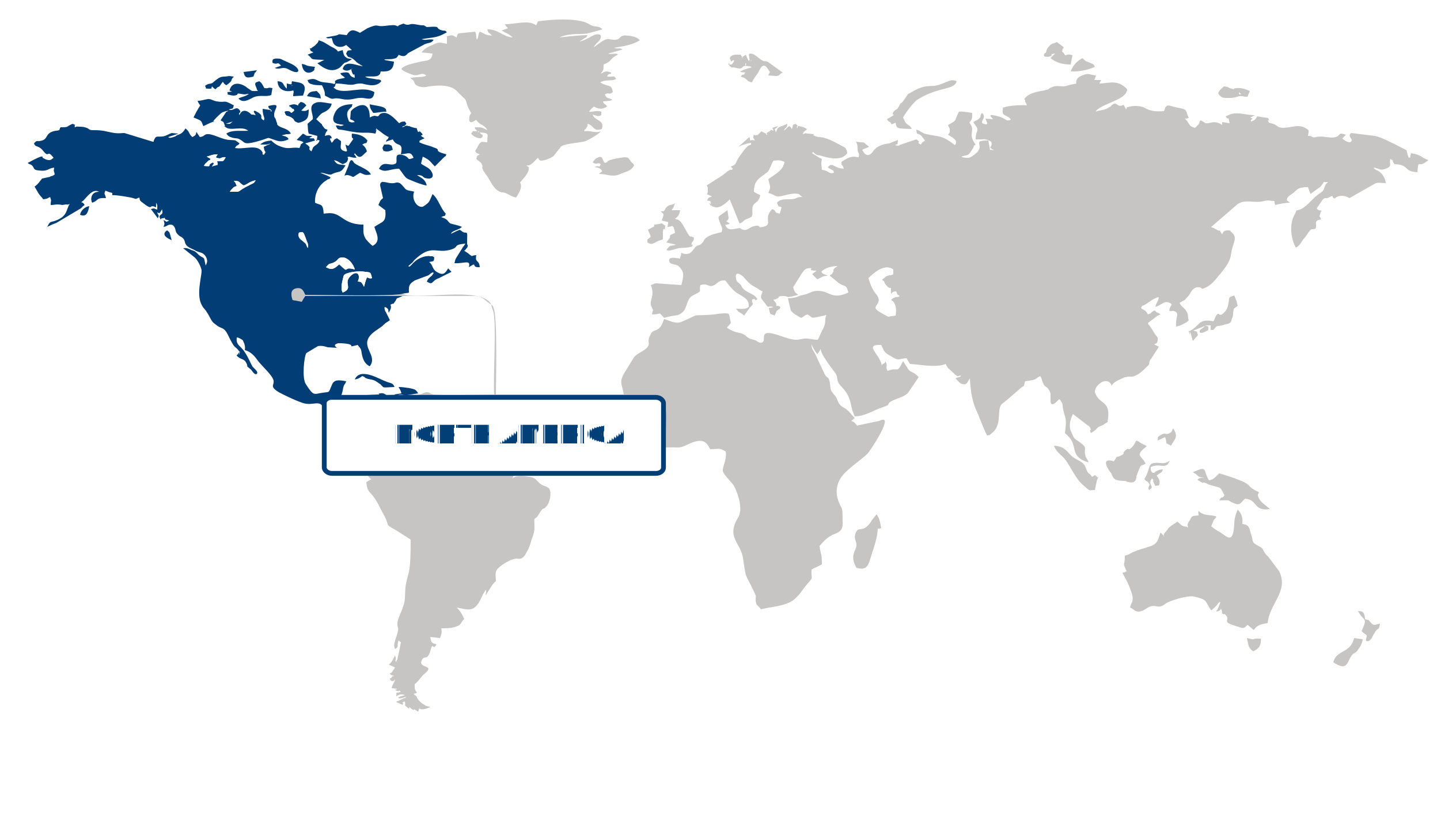
North America captured over 42.3% of the global somatostatin analogs market in 2025, asserting its position as the largest regional segment. This dominance is primarily driven by the high prevalence of neuroendocrine tumors and acromegaly, conditions effectively managed with somatostatin analogs. Early adoption of long-acting depot formulations in North America further accelerates market momentum, reflecting sophisticated healthcare infrastructure and patient-centric treatment modalities. Regulatory support from agencies like the U.S. FDA has streamlined approvals for advanced therapies, while major pharmaceutical companies such as Ipsen and Novartis actively invest in innovative delivery systems. The region’s resilient healthcare spending and aging demographic augment demand, reinforcing North America as an epicenter for somatostatin analogs. These factors collectively position the region favorably for sustainable growth, offering significant opportunities for stakeholders focusing on advanced therapeutic formulations and personalized care in this therapeutic class.
The United States anchors the North American somatostatin analogs market through extensive research activities and robust healthcare frameworks. U.S. oncology centers benefit from the early availability of long-acting depot formulations, supported by proactive FDA regulatory pathways that facilitate timely market access. Companies like Ipsen have leveraged this environment to deepen market penetration by introducing patient-friendly treatments that enhance adherence. Furthermore, the growing awareness programs led by the National Cancer Institute support early diagnosis and treatment uptake, intensifying demand for somatostatin analogs. These dynamics ensure the U.S. remains a critical driver of regional growth, underscoring its strategic value for innovation and market expansion within North America’s somatostatin analogs landscape.
Asia Pacific Market Analysis:
Asia Pacific emerged as the fastest-growing region in the somatostatin analogs market, registering a robust CAGR of 9.9%. This rapid expansion is primarily driven by improved diagnostics uncovering previously hidden cases and the modernization of healthcare systems across countries in the region. Enhanced diagnostic capabilities, supported by government initiatives to upgrade medical infrastructure, have increased the detection rate of neuroendocrine tumors and acromegaly, conditions commonly treated with somatostatin analogs. For instance, South Korea’s Ministry of Health has recently invested in widespread screening programs and advanced imaging technologies, contributing to early diagnosis. Additionally, rising healthcare expenditures and expanding insurance coverage have facilitated greater patient access to innovative treatments. The region’s demographic shifts, including an aging population, further reinforce demand for such therapies. These dynamics position Asia Pacific as a critical market offering sustained growth opportunities tied to evolving healthcare frameworks and increasing clinical awareness.
Japan plays a pivotal role in Asia Pacific’s somatostatin analogs market due to its advanced healthcare infrastructure and early adoption of cutting-edge diagnostics. The country’s comprehensive health insurance system and stringent regulatory standards foster a favorable environment for innovative drug uptake. For example, Japan’s Pharmaceuticals and Medical Devices Agency (PMDA) has streamlined approvals for novel somatostatin analog formulations, accelerating their availability. Moreover, the aging demographic and high prevalence of target conditions maintain steady demand, while increasing physician awareness programs by manufacturers like Novartis reinforce market penetration. Japan’s leadership in biopharmaceutical innovation underlines its strategic position within Asia Pacific’s growth trajectory by setting advanced care benchmarks and driving competitive clinical standards.
China represents a rapidly evolving somatostatin analogs market within Asia Pacific, bolstered by significant investments in modernizing health systems and expanding diagnostic coverage to underserved regions. The Chinese government’s Healthy China 2030 initiative emphasizes improving early detection and treatment of chronic conditions, which has led to increased identification of neuroendocrine disorders. Domestic pharmaceutical firms are also enhancing their R&D capabilities, sometimes through partnerships with multinational corporations, as noted in Sino Biopharmaceutical’s recent collaboration with Ipsen. This has allowed for diversified product availability and improved patient accessibility across urban and rural areas. China's large population and government-backed reforms create a fertile environment for scaling somatostatin analog therapeutics, reinforcing its critical contribution to Asia Pacific’s market expansion and future opportunities.
Europe Market Trends:
Europe held a commanding share in the somatostatin analogs market, driven by its advanced healthcare infrastructure and proactive regulatory environment. The region's emphasis on precision medicine and increased funding for endocrine and neuroendocrine disorder research have reinforced demand for targeted therapies like somatostatin analogs. Additionally, Europe's preferential reimbursement policies, particularly in Western European nations, enhance patient access to innovative treatments. The European Medicines Agency’s streamlined approval processes and initiatives encouraging biosimilar adoption also contribute to operational efficiencies across supply chains. According to the European Society of Endocrinology, rising awareness and diagnosis rates of neuroendocrine tumors are stimulating market expansion. Moving forward, Europe's commitment to digital health integration and sustainability in pharmaceutical development positions it as a fertile ground for long-term growth in the somatostatin analogs market.
Germany stands as a pivotal player in the somatostatin analogs market within Europe, leveraging its robust healthcare spending and cutting-edge biomedical research. The country’s focus on personalized therapy is evident in governmental support for clinical trials on somatostatin analogs, as highlighted by announcements from the Federal Institute for Drugs and Medical Devices (BfArM). German insurers facilitate patient access to these costly treatments through comprehensive reimbursement frameworks, encouraging adoption. Moreover, Germany’s well-established pharmaceutical manufacturing and distribution networks mitigate supply chain disruptions. This environment not only accelerates innovation but also enhances competitive dynamics, making Germany a strategic hub that reinforces Europe’s dominance in this segment.
France maintains a notable presence in the somatostatin analogs market, propelled by strong public healthcare funding and proactive policy measures emphasizing patient-centric care. The French National Agency for the Safety of Medicines and Health Products (ANSM) has expedited approvals for new somatostatin analog formulations, fostering quicker market entry. France’s demographic trends, including an aging population with increasing incidence of neuroendocrine disorders, drive sustained demand. Additionally, integrated healthcare delivery systems promote early diagnosis and consistent treatment adherence, as reported by the French Ministry of Health. This fosters an environment conducive to somatostatin analog adoption and innovation. France’s evolving healthcare ecosystem thus complements broader European momentum, underscoring its vital role in regional market opportunities.
| Parameter | North America | Asia Pacific | Europe | Latin America | MEA |
|---|---|---|---|---|---|
| Innovation HubiScaleNascentDeveloping Advanced | |||||
| Cost-Sensitive RegioniScaleLowMedium High | |||||
| Regulatory EnvironmentiScaleRestrictiveNeutral Supportive | |||||
| Demand DriversiScaleWeakModerate Strong | |||||
| Development StageiScaleEmergingDeveloping Developed | |||||
| Adoption RateiScaleLowMedium High | |||||
| New Entrants / StartupsiScaleSparseModerate Dense | |||||
| Macro IndicatorsiScaleWeakStable Strong |
Segment Leadership and Growth Trends
Somatostatin Analogs Market Share (%), by type, 2026
Go beyond the chart, access full insights & data tables
Request Free Sample ReportThe consumables segment held the largest share in the somatostatin analogs market in 2025, driven primarily by the increasing preference for injectable therapies to manage chronic conditions like acromegaly and neuroendocrine tumors. This demand underscores the critical role consumable components play in ensuring effective administration of these therapies, supported by enhanced supply chain efficiencies highlighted in Novartis’ product logistics reports. Healthcare providers prioritize consumables for their reliability and compatibility with various injectable formulations, demonstrating sustained demand. The segment’s leadership offers strategic opportunities for manufacturers to innovate in materials and packaging, improving patient compliance and reducing administration errors. Regulatory guidance from the U.S. FDA on injectable product safety further solidifies this segment's standing. Looking ahead, consumables are expected to maintain relevance due to ongoing clinical reliance on injectable delivery modes and continuous advancements in delivery technologies.
Analysis by Application
In the somatostatin analogs market, the injections segment represented the largest share in 2025, fueled by the rising incidence of conditions necessitating injectable somatostatin analog therapy such as neuroendocrine tumors. Increasing clinical adoption is supported by favorable reimbursement policies and healthcare infrastructure expansions reported by the World Health Organization. Patient preference for minimally invasive treatment options and improved needle technology from companies like Ipsen enhance market adoption. Competitive dynamics encourage providers to integrate more efficient injection techniques, driving preference for this segment. The regulatory environment, highlighted by EMA approvals for injectable somatostatin analogs, also reinforces growth. This segment presents robust strategic value for both established pharmaceutical firms and entrants focused on injection devices and formulations. The sustained rise in chronic disease prevalence ensures that injection applications will remain a cornerstone of the market through the medium term.
Analysis by Formulation
The “Others” formulation segment dominated the somatostatin analogs market in 2025, reflecting growing diversification beyond traditional categories such as alcohols and iodine. This expansion is driven by innovative somatostatin analog formulations enhancing therapeutic efficacy and patient tolerability, as detailed in clinical trial results published by the American Society of Clinical Oncology. The segment benefits from evolving research trends emphasizing personalized medicine and targeted delivery methods. Healthcare providers increasingly endorse these novel formulations to address specific patient needs, supported by technological advancements from research institutions and biotech firms. Regulatory milestones, including FDA fast-track approvals for novel analog variants, encourage continued innovation. This evolving segment creates opportunities for emerging players to capture niche markets while enabling incumbents to broaden their product portfolios. Its momentum is expected to persist due to ongoing investments in R&D and shifts toward precision therapeutics.
| Segment | Sub-Segment | Largest Segment | Fastest Growing |
|---|---|---|---|
| type | instruments, consumables | ||
| Application | surgeries, injections | ||
| Formulation | Alcohols, Iodine, Octenidine, Chlorhexidine, Others |
Unlock insights tailored to your business with our bespoke market research solutions.
Click to get your customized report now.
Competitive Landscape and Market Positioning
The competitive environment is marked by dynamic innovation and strategic alignment among these top entities. Novartis and Ipsen enhance their market stance through synergistic expansions and clinical developments, while Pfizer and Sun Pharma intensify their focus on pipeline diversification and accessing untapped markets. Smaller yet agile companies such as Chiasma and Recordati benefit from strategic partnerships and adaptive product launches, fostering innovation that challenges established incumbents. Concurrently, firms from Asia actively invest in research infrastructure and form strategic networks to boost their technology platforms, which collectively reshapes competitive boundaries and accelerates new treatment options.
Strategic / Actionable Recommendations for Regional Players
Companies operating in North America should consider deepening collaborations with biotechnology firms specializing in novel delivery mechanisms, enhancing patient adherence and therapeutic efficacy. Emphasizing digital health integration could further elevate personalized treatment protocols, strengthening market differentiation amid intensifying competition.
In Asia Pacific, leveraging advances in biotechnology and molecular diagnostics can enable more targeted somatostatin analog therapies, catering to region-specific patient profiles. Strategic alliances with multinational pharmaceutical firms may facilitate knowledge transfer and regulatory navigation, accelerating innovative product introductions across diverse markets.
European players can benefit from tapping into high-growth sub-segments such as rare endocrine disorders, aligning R&D investments towards unmet clinical needs. Pursuing collaborations with academic institutions may also drive product innovation and sustain competitiveness through cutting-edge scientific discoveries.
| Company | Market Share | Company Revenue | Revenue CAGR (%) | Product Portfolio | Geographic Presence | Innovation / R&D Focus | Strategic Developments |
|---|---|---|---|---|---|---|---|
| No companies available. | |||||||
Customize Your Report
Explore examples of how this report can be tailored to different research needs, including custom segments, additional topics or chapters, and related reports. Click a section of the wheel or its numbered marker to explore the available options.
Somatostatin Analogs Market — Custom Segments
| Segment | Sub-Segment |
|---|---|
| No segment data available. | |
Somatostatin Analogs Market — Custom TOC
| Custom Chapter | Chapter Details |
|---|---|
| No custom TOC data available. | |
Need a different cut of the data?
Request Custom ResearchFrequently Asked Questions
How will the somatostatin analogs industry grow in terms of size and CAGR by 2035?
Which region shows the largest market footprint in the somatostatin analogs market?
Who is driving the fastest regional growth in the somatostatin analogs sector?
Why does consumables sub-segment dominate the type segment of somatostatin analogs sector?
How much is the injections segment expected to grow in the somatostatin analogs industry beyond 2025?
What factors give others segment a competitive edge in the somatostatin analogs sector?
Who are the major participants shaping the somatostatin analogs landscape?
Our Clients
"The team took the time to understand our specific business needs and delivered a report that was well aligned with our objectives. Their expertise and understanding of the industry were clearly reflected in the quality and relevance of the insights provided."
Siemens Healthcare
"Our experience in acquiring the research report has been excellent. The depth of analysis, and actionable insights provided have been extremely valuable in supporting our ongoing R&D efforts."
GC Biopharma
"The report offered a comprehensive view of the market trends. The in-depth segmentation and analysis of emerging opportunities gave us a better understanding of the market."
Medtronic
Our Research Team & Methodology
Every Fundamental Business Insights report is built by a dedicated vertical research team, validated through a structured primary-and-secondary methodology, and reviewed for accuracy before it reaches you.
This report was prepared by the Healthcare & Medical Devices Research Team at Fundamental Business Insights, a dedicated research group specializing in the global healthcare and medical technology industry. Our analysts continuously monitor advancements in medical technologies, clinical adoption trends, regulatory developments, reimbursement policies, healthcare infrastructure investments, competitive strategies, and evolving patient care requirements to deliver timely and reliable market intelligence. The research is developed using a structured methodology that combines primary discussions with healthcare stakeholders, company financial disclosures, regulatory publications, clinical literature, government healthcare databases, medical associations, and other authoritative secondary sources. Market estimates are validated through multiple research techniques, including top-down and bottom-up analysis, before undergoing an internal quality review to ensure accuracy, consistency, and methodological integrity prior to publication.
Delivery
Published
Available
Support
- Market Size & Forecast
- Market Segmentation
- Regional Analysis
- Growth Drivers & Challenges
- Market Dynamics
- Competitive Landscape
- Company Profiles
- Competitive Benchmarking
- Mergers & Acquisitions
- Market Share Analysis or Key Company Strategies
- Value Chain Analysis
- Porter's Five Forces
- PESTLE Analysis
- Pricing Trends
- Supply-Demand Analysis
- Technology Landscape
- Regulatory Landscape
- Investment & Funding Landscape
- Emerging Opportunities
- Future Market Outlook