Molasses Market Size & Growth Forecast 2027–2036, By Segments (Application, Type, Category, Source), Regional Demand Trends (North America, Asia Pacific, Europe), Key Country Insights (U.S., Japan, South Korea, Germany, France, Italy), and Competitive Landscape
Jump to Content
Market Size and Growth Outlook
Molasses Market size was more than USD 18.82 Billion in 2026 and is set to grow at 2.7% CAGR between 2027 and 2036, exceeding USD 24.57 Billion by 2036. The industry revenue for 2027 is calculated at USD 19.24 Billion.
Get more details on this report
Request Free Sample ReportMolasses Market Intelligence Snapshot
Regional Market Dynamics
- Asia Pacific led in 2026, supported by extensive sugarcane processing and strong molasses demand across food, feed, fermentation, and industrial applications.
- Expanding livestock and food processing, biofuel and fermentation activities, rising sugar production, and demand for cost-effective feed ingredients are sustaining regional momentum.
Segment Momentum
- The food and beverage segment held a 62.3% market share in 2026, driven by extensive use of molasses as a natural sweetener, flavor enhancer, and functional ingredient across multiple food products.
- Industrial applications are growing rapidly as molasses gains wider use as a renewable raw material for biofuel production, fermentation, and other sustainable industrial processes, supported by demand for cost-effective alternative feedstocks.
Market Expansion Drivers
- Expanding ethanol biofuel production driving industrial demand for molasses feedstock
- Rising animal feed production supporting steady molasses consumption across livestock industries
- Growing demand for natural sweeteners in food and beverage manufacturing supporting market expansion
Leading Market Participants
- Major players in the molasses market include Archer Daniels Midland Company (United States), Südzucker AG (Germany), Nordzucker AG (Germany), Wilmar International Limited (Singapore), Cosun Beet Company (Netherlands), American Crystal Sugar Company (United States), Amalgamated Sugar Company LLC (United States), Michigan Sugar Company (United States), Westway Feed Products LLC (United States), International Molasses Corporation (United States)
Global Market Forecast Snapshot
Market Outlook
- 2026 Market Size: USD 18.82 Billion
- 2027 Estimated Market Size: USD 19.24 Billion
- Projected Market Size: USD 24.57 Billion by 2036
- Growth Forecast: 2.7% CAGR (2027-2036)
Regional and Segment Outlook
- Leading Regional Market: Asia Pacific
- High-Growth Regional Hub: Asia Pacific
- Core Revenue Segment: Food and Beverage (Application) | Blackstrap Molasses (Type) | Conventional (Category) | Sugarcane (Source)
- Emerging Opportunity Segment: Industrial Applications (Application) | Powdered Molasses (Type) | Organic (Category) | Sugar Beets (Source)
Market Growth Drivers and Industry Trends
Expanding ethanol biofuel production driving industrial demand for molasses feedstock
Growing investments in biofuel production are increasing the use of sugar-based feedstocks for industrial fermentation processes. This trend will drive the molasses market growth as molasses serves as an economical and readily available raw material for ethanol manufacturing across multiple production facilities. Expanding renewable fuel initiatives and rising industrial fermentation capacity are encouraging sustained procurement of molasses to support efficient biofuel production while utilizing valuable by-products from the sugar industry.
Rising animal feed production supporting steady molasses consumption across livestock industries
The expansion of livestock farming and commercial feed manufacturing is increasing demand for feed ingredients that improve palatability and support efficient feed formulation. The molasses market benefits from this development because molasses is widely incorporated into animal feed to enhance taste, reduce dust formation, and improve ingredient binding during feed production. Feed manufacturers continue to integrate molasses into formulations across various livestock categories as they seek consistent, cost-effective ingredients that contribute to efficient feeding practices.
Growing demand for natural sweeteners in food and beverage manufacturing supporting market expansion
Food and beverage manufacturers are increasingly incorporating naturally derived ingredients into product formulations to meet evolving consumer preferences for recognizable sweetening sources. This shift will boost the molasses market demand as molasses is utilized in bakery products, confectionery, beverages, sauces, and other processed foods where it contributes sweetness, color, and flavor. Its distinctive sensory characteristics and compatibility with diverse food applications encourage broader adoption across both industrial manufacturing and specialty food production.
| Growth Driver | Impact on CAGR | Regulatory Influence | Geographic Relevance | Adoption Rate | Impact Timeline |
|---|---|---|---|---|---|
| Expanding ethanol biofuel production driving industrial demand for molasses feedstock | 2% | High | Asia Pacific, Latin America | High | Mid Term |
| Rising animal feed production supporting steady molasses consumption across livestock industries | 1.5% | Low | Asia Pacific, Europe | High | Near Term |
| Growing demand for natural sweeteners in food and beverage manufacturing supporting market expansion | 1.6% | Moderate | North America, Europe | Medium | Mid Term |
Explore Growth Opportunities
Request Free Sample ReportRegional Demand Dynamics
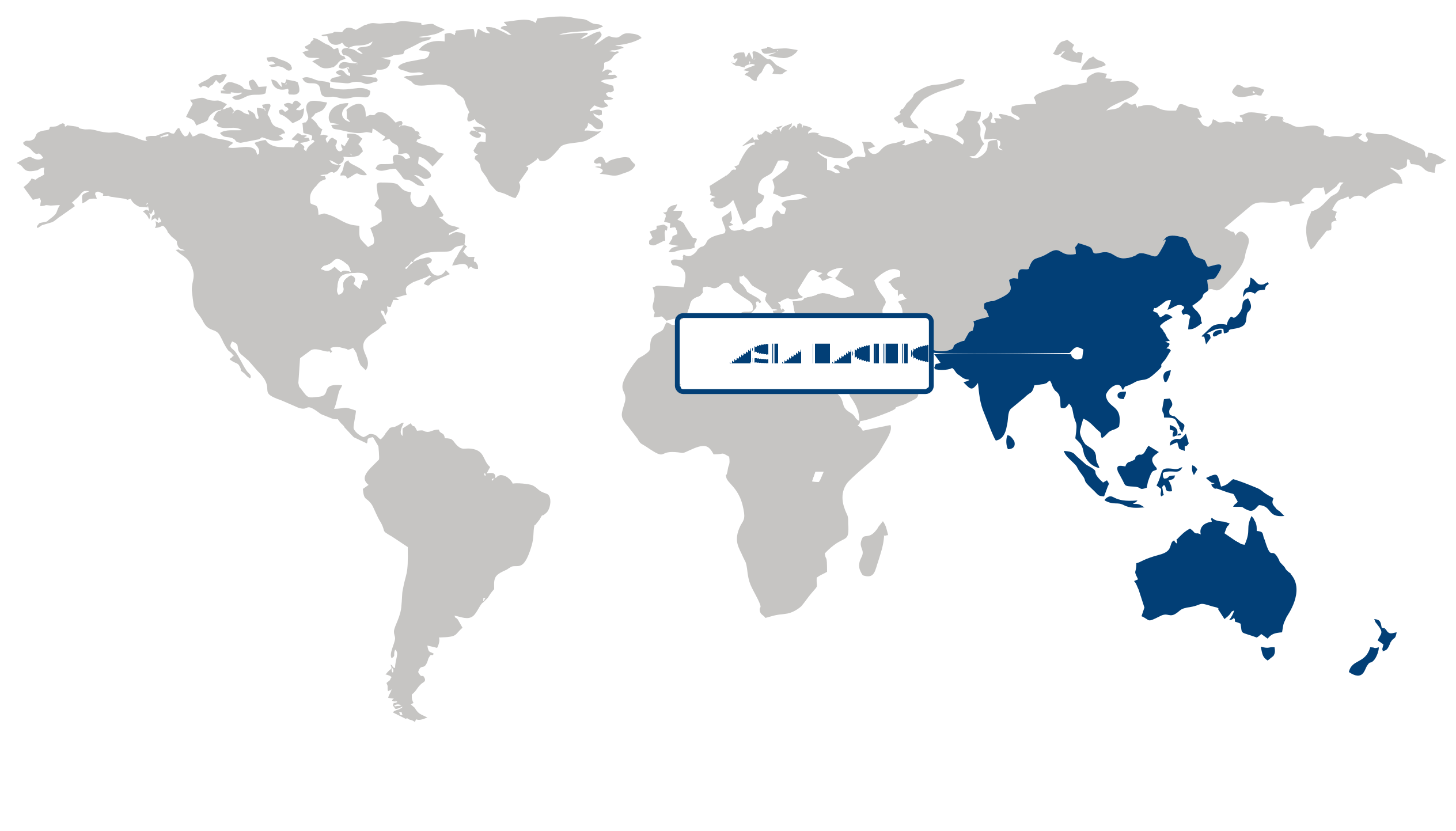
Asia Pacific (Largest & Fastest-Growing Region)
Asia Pacific dominated the molasses market in 2026 and is expected to maintain the fastest growth trajectory, supported by extensive sugarcane processing activity and strong demand for molasses across food, feed, fermentation, and industrial applications. The region's expanding livestock and food processing sectors are contributing to wider utilization of molasses as a feed ingredient and functional input, while growing biofuel and fermentation activities are opening additional avenues for consumption. Increasing sugar production capacity and improvements in agricultural and processing infrastructure are also strengthening regional supply availability. At the same time, rising demand for cost-effective feed ingredients and expanding industrial applications are expected to sustain the region's market momentum.
| Parameter | North America | Asia Pacific | Europe | Latin America | MEA |
|---|---|---|---|---|---|
| Innovation HubiScaleNascentDeveloping Advanced | |||||
| Cost-Sensitive RegioniScaleLowMedium High | |||||
| Regulatory EnvironmentiScaleRestrictiveNeutral Supportive | |||||
| Demand DriversiScaleWeakModerate Strong | |||||
| Development StageiScaleEmergingDeveloping Developed | |||||
| Adoption RateiScaleLowMedium High | |||||
| New Entrants / StartupsiScaleSparseModerate Dense | |||||
| Macro IndicatorsiScaleWeakStable Strong |
Key Country Insights
United States 🇺🇸
Industrial Ingredient SupplyThe U.S. utilizes molasses extensively across animal feed, fermentation, ethanol production, and food processing industries. Demand is supported by diversified industrial applications that require reliable supply and consistent product quality.
Germany 🇩🇪
Sustainable Feed ApplicationsGermany prioritizes molasses for livestock nutrition and industrial fermentation while encouraging efficient utilization of agricultural by-products. German processors increasingly integrate molasses into value-added production aligned with resource efficiency goals.
Japan 🇯🇵
Fermentation Process SupportJapan values molasses as a dependable raw material for fermentation-based manufacturing and specialty food production. Japanese buyers emphasize consistent composition and reliable sourcing to maintain production efficiency and product quality.
South Korea 🇰🇷
Food Processing DemandSouth Korea applies molasses across food manufacturing, fermentation, and livestock feed production. Domestic processors continue seeking stable raw material supplies that support efficient production and diverse industrial applications.
France 🇫🇷
Agricultural Value RecoveryFrance utilizes molasses to maximize value from sugar processing while supporting livestock feed and fermentation industries. French producers continue improving by-product utilization strategies that enhance operational efficiency across agricultural value chains.
Italy 🇮🇹
Feed Production IntegrationItaly incorporates molasses into animal nutrition, food processing, and industrial fermentation activities requiring dependable ingredient supply. Italian manufacturers continue optimizing processing methods to improve product consistency and operational performance.
Molasses Market Share (%), by Application, 2026
Go beyond the chart, access full insights & data tables
Request Free Sample ReportApplication Segment Analysis: Food and Beverage (Largest Segment) vs Industrial Applications (Fastest-Growing Segment)
Food and beverage segment dominated the molasses market, accounting for the largest share of 62.3% in 2026. The segment’s leading position is supported by the extensive use of molasses as a natural sweetening ingredient, flavor enhancer, and nutritional component across various food and beverage products. Growing consumer preference for natural ingredients and the functional benefits associated with molasses, including its mineral content and versatility in formulations, continue to strengthen its adoption in bakery products, beverages, and processed foods. The established demand from food manufacturers further contributes to the segment’s significant market presence.
Industrial applications segment is projected to witness strong growth, driven by the increasing utilization of molasses as a renewable raw material in various industrial processes. Industries are exploring molasses-based solutions for applications such as biofuel production, fermentation processes, and other value-added industrial uses due to its cost-effectiveness and sustainability advantages. The rising focus on alternative feedstocks and environmentally responsible production practices is expected to support the expanding adoption of molasses across industrial applications.
Type Segment Analysis: Blackstrap Molasses (Largest Segment) vs Powdered Molasses (Fastest-Growing Segment)
In the molasses market, blackstrap molasses segment held the largest share of 44.38% in 2026, supported by its high nutritional value and widespread usage across food, animal feed, and industrial applications. Blackstrap molasses contains concentrated minerals and organic compounds, making it a preferred choice for applications requiring enhanced functional properties. Its established availability and acceptance among manufacturers and consumers have contributed to its strong market position, particularly in products where natural ingredients and nutritional enrichment are prioritized.
Powdered molasses segment is expected to experience notable expansion due to its convenience, longer shelf stability, and ease of handling compared with liquid forms. The growing demand for efficient storage, transportation, and application methods across food processing and animal nutrition sectors is encouraging the adoption of powdered formats. Additionally, its ability to provide consistent formulation characteristics supports increasing interest among manufacturers seeking flexible molasses-based ingredients.
Category Segment Analysis: Conventional (Largest Segment) vs Organic (Fastest-Growing Segment)
Conventional segment represented the dominant category in the molasses market in 2026, owing to its widespread availability, established supply chains, and cost advantages compared with organically produced alternatives. Conventional molasses continues to be extensively used across food processing, animal feed, and industrial applications due to its reliable production volumes and suitability for large-scale manufacturing requirements. The broad acceptance of conventional ingredients among commercial users supports its leading position in the market.
Organic segment is gaining momentum as consumers and manufacturers increasingly focus on clean-label ingredients and sustainable sourcing practices. Rising awareness regarding organically produced food ingredients and the preference for products with minimal chemical inputs are encouraging the adoption of organic molasses. The growing emphasis on natural and environmentally conscious production methods is expected to strengthen the demand for organic category products.
| Segment | Sub-Segment | Largest Segment | Fastest Growing |
|---|---|---|---|
| Application | Food and Beverage, Animal Feed, Pharmaceuticals and Personal Care, Industrial Applications, Others | Food and Beverage | Industrial Applications |
| Type | Blackstrap Molasses, Dark or Medium Molasses, Light Molasses, Powdered Molasses, Golden Syrup, Treacle | Blackstrap Molasses | Powdered Molasses |
| Category | Organic, Conventional | Conventional | Organic |
| Source | Sugarcane, Sugar Beets, Others | Sugarcane | Sugar Beets |
Unlock insights tailored to your business with our bespoke market research solutions.
Click to get your customized report now.
Competitive Landscape and Market Positioning
Top players in the molasses market:
- Archer Daniels Midland Company (United States)
- Südzucker AG (Germany)
- Nordzucker AG (Germany)
- Wilmar International Limited (Singapore)
- Cosun Beet Company (Netherlands)
- American Crystal Sugar Company (United States)
- Amalgamated Sugar Company LLC (United States)
- Michigan Sugar Company (United States)
- Westway Feed Products LLC (United States)
- International Molasses Corporation (United States)
Competition across the molasses market is evolving as suppliers seek to balance traditional bulk demand with expanding opportunities in diversified industrial and agricultural applications. Market participants are placing greater emphasis on supply consistency, processing efficiency, and the ability to deliver grades suited to distinct end-use requirements, reducing dependence on purely price-driven competition. The availability of raw materials, regional production patterns, and supply chain resilience continue to influence competitive positioning, encouraging producers to improve operational flexibility while serving customers with increasingly specialized purchasing requirements.
| Company | Market Share | Company Revenue | Revenue CAGR (%) | Product Portfolio | Geographic Presence | Innovation / R&D Focus | Strategic Developments |
|---|---|---|---|---|---|---|---|
| Archer Daniels Midland Company (United States) | |||||||
| Südzucker AG (Germany) | |||||||
| Nordzucker AG (Germany) | |||||||
| Wilmar International Limited (Singapore) | |||||||
| Cosun Beet Company (Netherlands) | |||||||
| American Crystal Sugar Company (United States) | |||||||
| Amalgamated Sugar Company LLC (United States) | |||||||
| Michigan Sugar Company (United States) | |||||||
| Westway Feed Products LLC (United States) | |||||||
| International Molasses Corporation (United States) |
Industry Development/News
| Company Name | Date | Key Development |
|---|---|---|
| Ruby Bio | May-26 | Ruby Bio announced plans to commercialize fermentation-derived clean-label emulsifiers by 2027. This development leverages industrial fermentation technology utilizing sugar-derived feedstocks, representing a significant innovation in ingredient manufacturing and expanding the value-added application potential for sugar industry byproducts. |
| Magdalena | Feb-26 | Magdalena announced the construction of a 650,000-liter precision fermentation facility in Guatemala. This strategic capital investment marks a pivot toward industrial biotechnology, enabling the company to integrate advanced fermentation capabilities into its operations and diversify the processing utility of its sugar-derived feedstock assets. |
| Spray Engineering Devices (SED) | Jan-26 | SED successfully commissioned modernization and expansion technologies at Parag Agro Foods & Allied Products' sugar facility in Maharashtra. The upgrade increases the facility's processing capacity to 7,000 tons of cane crushed per day, directly expanding the regional supply base for sugar production and downstream molasses availability. |
| CREMER Molasses | Sep-25 | CREMER Molasses launched a CO2 reduction initiative for dairy farms utilizing its "MelassemixPlus" feed additive. The program enables farmers to generate digital evidence for emissions reductions, facilitating the issuance of CO2 certificates and creating a new profit-sharing model that incentivizes sustainable feed management practices in the dairy sector. |
| Hartree Partners | Jul-25 | Hartree Partners finalized the acquisition of ED&F Man Commodities, including its sugar and molasses trading divisions. This consolidation significantly expands the company's global agricultural commodities trading footprint, enhancing its operational scale and market influence in the sourcing and distribution of global molasses supplies. |
| GranBio | Jan-25 | GranBio announced a strategic redesign of its Alagoas project, converting its cellulosic ethanol plant into a comprehensive biorefinery with a R$1.5 billion investment. This transformation strengthens the company's bioindustrial strategy, positioning it to utilize diverse feedstocks for sustainable biochemical and biofuel production. |
| Angel Yeast | Oct-24 | Angel Yeast entered a strategic partnership with PT. Tunas Baru Lampung, supported by a US$43.4 million investment. The joint initiative is designed to optimize global yeast production capacity and strengthen the company’s competitive positioning across Asia-Pacific, increasing the strategic demand for high-quality molasses as a fermentation feedstock. |
| Enifer | May-24 | Enifer raised €36 million to scale its commercial mycoprotein production facility in Finland. The investment accelerates the deployment of biomass fermentation technology, providing a scalable, sustainable protein production platform that utilizes industrial side-streams and feedstocks to support the circular bioeconomy. |
| Michigan Sugar Company | May-24 | Michigan Sugar Company inaugurated a new 22,000-square-foot molasses desugarization facility in Bay City. By implementing advanced extraction technology, the plant processes the entirety of the company’s molasses supply, resulting in an additional 80 million pounds of annual sugar production and significantly improving resource efficiency. |
Customize Your Report
Explore examples of how this report can be tailored to different research needs, including custom segments, additional topics or chapters, and related reports. Click a section of the wheel or its numbered marker to explore the available options.
Molasses Market — Custom Segments
| Segment | Sub-Segment |
|---|---|
| Sales Channel | Direct Sales, Distributors & Wholesalers, Retail Channels, Online Channels |
| Customer Size | Small & Medium Enterprises, Large Enterprises, Industrial Producers |
| Price Tier | Economy, Mid-Range, Premium |
Molasses Market — Custom TOC
| Custom Chapter | Chapter Details |
|---|---|
| Feed Industry Demand Mapping |
|
| Bioenergy Conversion Potential |
|
| Sustainable Molasses Sourcing |
|
Need a different cut of the data?
Request Custom ResearchFrequently Asked Questions
What is the market valuation of molasses?
How much is the molasses industry expected to grow by 2036?
How is biofuel production influencing demand in the molasses market?
Which end-use industries are driving sustained molasses consumption?
Which application segment accounts for the largest share of the molasses market?
Why are industrial applications emerging as the fastest-growing segment in the molasses market?
Why does Asia Pacific dominate the molasses market?
What is driving continued molasses market growth in Asia Pacific?
Which companies dominate the molasses landscape?
Our Clients
"The report provided a thorough look at market trends, technological advancements, and the competitive landscape. The depth of insights was really valuable."
ITC Limited
"We would highly recommend Fundamental Business Insights & Consulting to anyone looking for reliable, detailed, and comprehensive market research in the Food industry."
Tyson Foods
"The clarity and presentation of the information were commendable. The report was delivered timely, which made the overall experience smooth and convenient."
Mondelēz International
Our Research Team & Methodology
Every Fundamental Business Insights report is built by a dedicated vertical research team, validated through a structured primary-and-secondary methodology, and reviewed for accuracy before it reaches you.
This report was prepared by the Food & Beverage Research Team at Fundamental Business Insights, a dedicated research group specializing in the global food, beverage, ingredients, and food processing industries. Our analysts continuously monitor evolving consumer preferences, product innovation, ingredient developments, food safety regulations, manufacturing technologies, supply chain dynamics, pricing trends, sustainability initiatives, and changing retail and foodservice landscapes to deliver timely and reliable market intelligence. The research is developed using a structured methodology that combines primary discussions with food manufacturers, ingredient suppliers, distributors, retailers, industry experts, and other key stakeholders, along with company annual reports, regulatory publications, government trade statistics, food safety authorities, industry associations, technical publications, and other authoritative secondary sources. Market estimates are validated through multiple research techniques, including top-down and bottom-up analysis, before undergoing an internal quality review to ensure accuracy, consistency, and methodological integrity prior to publication.
Delivery
Published
Available
Support
- Market Size & Forecast
- Market Segmentation
- Regional Analysis
- Growth Drivers & Challenges
- Market Dynamics
- Competitive Landscape
- Company Profiles
- Competitive Benchmarking
- Mergers & Acquisitions
- Market Share Analysis or Key Company Strategies
- Value Chain Analysis
- Porter's Five Forces
- PESTLE Analysis
- Pricing Trends
- Supply-Demand Analysis
- Technology Landscape
- Regulatory Landscape
- Investment & Funding Landscape
- Emerging Opportunities
- Future Market Outlook