Makeup Remover Market Size & Growth Forecast 2027–2036, By Segments (Distribution Channel, Product, Price), Regional Demand Trends (North America, Asia Pacific, Europe), Key Country Insights (U.S., Japan, South Korea, Germany, France, Italy), and Competitive Landscape
Jump to Content
Market Size and Growth Outlook
Makeup Remover Market size was assessed at USD 2 billion in 2026 and is poised to grow at a 5.23% CAGR between 2027 and 2036, reaching USD 3.33 billion by 2036. The industry revenue for 2027 is estimated at USD 2.09 billion.
Get more details on this report
Request Free Sample ReportMakeup Remover Market Intelligence Snapshot
Regional Market Dynamics
- Asia Pacific holds 38.37% share, driven by a large beauty consumer base, frequent cosmetics use, and strong retail and digital availability supporting high product turnover.
- Asia Pacific is growing at a 6.33% CAGR, supported by rising skincare routines, convenience-focused cleansing formats, and expanding adoption across mass and premium product channels.
Segment Momentum
- Offline accounted for 85.31% of the market in 2026, supported by consumers’ preference to compare brands, assess product formats, and make immediate purchases through established retail outlets.
- Wipes are the fastest-growing product segment because consumers value their convenience, portability, and ready-to-use format for travel, quick cleansing, and simplified beauty routines.
Market Expansion Drivers
- Rising skincare awareness and beauty consciousness driving routine-based cleansing product adoption.
- Expansion of e-commerce and influencer-driven beauty marketing accelerating product visibility and sales.
- Shift toward natural and sustainable formulations reshaping consumer preference in skincare products.
Leading Market Participants
- Major companies in the makeup remover market include L’Oréal S.A. (France), Procter & Gamble Company (United States), Unilever PLC (United Kingdom), Estée Lauder Companies Inc. (United States), Shiseido Company, Limited (Japan), Natura &Co Holding S.A. (Brazil), Coty Inc. (United States), Johnson & Johnson (United States), Beiersdorf AG (Germany), LVMH Moët Hennessy Louis Vuitton SE (France).
Global Market Forecast Snapshot
Market Outlook
- 2026 Market Size: USD 2 billion
- 2027 Estimated Market Size: USD 2.09 billion.
- Projected Market Size: USD 3.33 billion by 2036
- Growth Forecast: 5.23% CAGR (2027-2036)
Regional and Segment Outlook
- Leading Regional Market: Asia Pacific
- High-Growth Regional Hub: Asia Pacific
- Core Revenue Segment: Offline (Distribution Channel) | Liquid (Product) | Medium (Price)
- Emerging Opportunity Segment: Online (Distribution Channel) | Wipes (Product) | Low (Price)
Market Growth Drivers and Industry Trends
Rising skincare awareness and beauty consciousness driving routine-based cleansing product adoption
Growing awareness of skincare and personal grooming is driving the makeup remover market as consumers increasingly recognize cleansing as an important part of daily beauty routines. Effective removal of cosmetics, excess oil, and impurities is becoming closely associated with maintaining skin cleanliness and preparing the skin for subsequent skincare products. This emphasis on structured cleansing routines is encouraging consumers to incorporate dedicated removers such as micellar solutions, cleansing oils, balms, and wipes according to their skin type and makeup usage.
Expansion of e-commerce and influencer-driven beauty marketing accelerating product visibility and sales
The expansion of online beauty retail is strengthening the makeup remover market by giving consumers broader access to products, ingredient information, demonstrations, and user reviews. Influencer-led content further increases product discovery by showcasing cleansing routines, application techniques, and comparisons across different formulations, helping consumers understand how products fit into specific skincare needs. E-commerce platforms also enable specialized and emerging formulations to reach consumers beyond traditional retail channels, while personalized recommendations and digital reviews can influence purchase decisions.
Shift toward natural and sustainable formulations reshaping consumer preference in skincare products
Increasing consumer interest in clean beauty and environmental responsibility is influencing the makeup remover market through greater demand for formulations perceived as gentle, naturally derived, and environmentally considerate. Manufacturers are responding by exploring plant-based ingredients, milder cleansing agents, biodegradable materials, and packaging designs that reduce environmental impact. Consumers are also paying closer attention to ingredient transparency and product suitability for sensitive skin, encouraging the development of makeup removers that combine effective cosmetic removal with simplified and sustainability-oriented formulations.
| Growth Driver | Impact on CAGR | Regulatory Influence | Geographic Relevance | Adoption Rate | Impact Timeline |
|---|---|---|---|---|---|
| Rising skincare awareness and beauty consciousness driving routine-based cleansing product adoption | 1.80% | Moderate | Asia Pacific, North America | High | Near Term |
| Expansion of e-commerce and influencer-driven beauty marketing accelerating product visibility and sales | 1.60% | Moderate | Asia Pacific, North America | High | Near Term |
| Shift toward natural and sustainable formulations reshaping consumer preference in skincare products | 1.40% | Moderate | Europe, Asia Pacific | High | Mid Term |
Explore Growth Opportunities
Request Free Sample ReportRegional Demand Dynamics
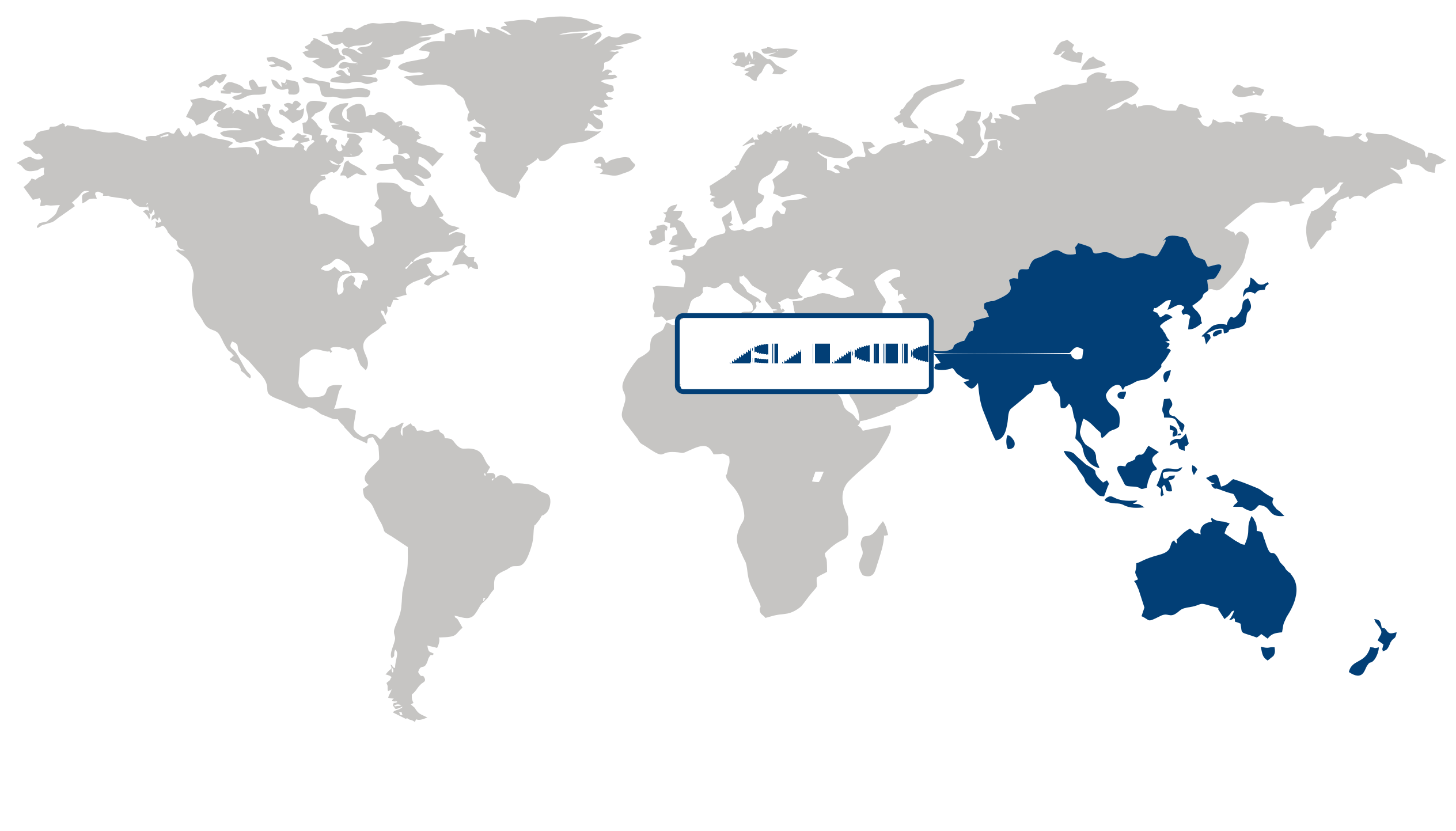
Asia Pacific (Largest & Fastest-Growing Region)
The Asia Pacific makeup remover market accounted for the largest share of 38.37% in 2026 and is also the fastest-growing regional market, supported by expanding beauty and personal-care consumption across both established and emerging economies. Rising disposable incomes, increasing urbanization, and greater participation in beauty routines are strengthening demand for products that effectively remove cosmetics while supporting skin health. The growing influence of skincare-focused beauty trends is encouraging consumers to prefer gentle, specialized formulations, including cleansing oils, micellar products, balms, and other multifunctional solutions. Rapid expansion of modern retail and e-commerce is improving product availability and enabling consumers to access a broader range of domestic and international formulations. In parallel, heightened interest in ingredient transparency, convenience, and premium personal-care experiences is supporting market development and creating opportunities for product innovation across the region.
| Parameter | North America | Asia Pacific | Europe | Latin America | MEA |
|---|---|---|---|---|---|
| Innovation HubiScaleNascentDeveloping Advanced | |||||
| Cost-Sensitive RegioniScaleLowMedium High | |||||
| Regulatory EnvironmentiScaleRestrictiveNeutral Supportive | |||||
| Demand DriversiScaleWeakModerate Strong | |||||
| Development StageiScaleEmergingDeveloping Developed | |||||
| Adoption RateiScaleLowMedium High | |||||
| New Entrants / StartupsiScaleSparseModerate Dense | |||||
| Macro IndicatorsiScaleWeakStable Strong |
Key Country Insights
Germany 🇩🇪
Clean Formulation StandardsGermany emphasizes makeup removers formulated with skin-compatible ingredients and transparent product composition. German manufacturers focus on gentle cleansing performance, sustainable packaging, and compliance with evolving cosmetic quality expectations to strengthen consumer confidence.
France 🇫🇷
Dermatological Beauty FocusFrance supports the makeup remover market with products that balance cosmetic performance and skin tolerance. French manufacturers prioritize pharmacy-inspired formulations, gentle cleansing technologies, and products suited for sensitive skin while maintaining premium brand positioning.
Italy 🇮🇹
Botanical Care SolutionsItaly highlights makeup removers featuring natural extracts and skincare-oriented formulations that align with evolving beauty preferences. Italian companies invest in elegant product design, mild cleansing performance, and environmentally conscious packaging to appeal to premium consumers.
Japan 🇯🇵
Gentle Cleansing InnovationJapan advances the makeup remover market through lightweight oils, micellar solutions, and low-irritation formulations designed for everyday skincare routines. Companies in Japan continuously refine texture, cleansing efficiency, and compatibility with sensitive skin preferences.
South Korea 🇰🇷
Beauty Routine EnhancementSouth Korea integrates makeup removers into multi-step skincare regimens, encouraging demand for products that cleanse while supporting skin health. South Korean brands emphasize innovative textures, botanical ingredients, and premium user experience to differentiate product offerings.
United States 🇺🇸
Premium Skincare IntegrationThe U.S. makeup remover market is shaped by demand for skincare-oriented cleansing products that combine effective makeup removal with hydration and barrier support. Brands in the U.S. prioritize multifunctional formulations, dermatologist-backed claims, and convenient formats suited to daily beauty routines.
Makeup Remover Market Share (%), by Distribution Channel, 2026
Go beyond the chart, access full insights & data tables
Request Free Sample ReportDistribution Channel Segment Analysis: Offline (Largest Segment) vs Online (Fastest-Growing Segment)
In the makeup remover market, the offline segment maintained the largest share of 85.31% in 2026, supported by consumers' continued preference for purchasing personal care products through physical retail outlets. Supermarkets, specialty beauty stores, pharmacies, and other offline channels allow shoppers to compare products directly and benefit from immediate availability. In-store purchasing is particularly relevant for makeup removers because consumers often consider formulation, skin type suitability, packaging, and product texture when selecting products. Established retail networks and the convenience of immediate purchase continue to reinforce the prominence of offline distribution.
The online segment is growing more rapidly as digital commerce expands access to a wider assortment of makeup removal products and specialized formulations. Online channels provide consumers with greater convenience, product comparisons, ingredient information, and customer reviews, supporting more informed purchasing decisions. The availability of skincare-focused and niche makeup remover products is particularly suited to digital platforms, where consumers can search for formulations based on specific skin concerns or preferences. Increasing digital engagement and the integration of beauty shopping with broader e-commerce ecosystems are strengthening the role of online distribution.
Product Segment Analysis: Liquid (Largest Segment) vs Wipes (Fastest-Growing Segment)
The liquid product segment accounted for the largest share of 47.49% in 2026, reflecting its established role in daily makeup removal and its suitability for a wide range of formulations. Liquid removers can be designed for different skin types and makeup categories, including products intended for long-wear and water-resistant cosmetics. Their versatility allows consumers to incorporate them into established cleansing routines, while micellar and oil-based formats provide additional options for different skincare preferences. Continued consumer attention to gentle cleansing, skin compatibility, and ingredient quality supports the sustained demand for liquid makeup removers.
Wipes are gaining adoption at a faster pace because they offer portability, convenience, and rapid makeup removal with minimal preparation. Their ready-to-use format is particularly attractive to consumers with active lifestyles, travelers, and users seeking quick cleansing solutions. Advances in wipe materials and formulations are also supporting improvements in softness, cleansing effectiveness, and skin comfort. Growing demand for convenient beauty routines is encouraging broader use of wipes, while product development focused on gentler and more responsible formulations is helping address evolving consumer expectations.
| Segment | Sub-Segment | Largest Segment | Fastest Growing |
|---|---|---|---|
| Distribution Channel | Online, Offline | Offline | Online |
| Product | Liquid, Lotion / Cream, Wipes | Liquid | Wipes |
| Price | Low, Medium, High | Medium | Low |
Unlock insights tailored to your business with our bespoke market research solutions.
Click to get your customized report now.
Competitive Landscape and Market Positioning
Top players in the makeup remover market:
1. L’Oréal S.A. (France)
2. Procter & Gamble Company (United States)
3. Unilever PLC (United Kingdom)
4. Estée Lauder Companies Inc. (United States)
5. Shiseido Company Limited (Japan)
6. Natura &Co Holding S.A. (Brazil)
7. Coty Inc. (United States)
8. Johnson & Johnson (United States)
9. Beiersdorf AG (Germany)
10. LVMH Moët Hennessy Louis Vuitton SE (France)
In the makeup remover market, increasing consumer preference for gentle, skin-nourishing, and eco-conscious beauty products is influencing formulation strategies and packaging innovation. Research focused on multifunctional cleansing solutions and natural ingredient integration is enabling brands to improve product effectiveness while aligning with evolving skincare and sustainability expectations.
| Company | Market Share | Company Revenue | Revenue CAGR (%) | Product Portfolio | Geographic Presence | Innovation / R&D Focus | Strategic Developments |
|---|---|---|---|---|---|---|---|
| L’Oréal S.A. (France) | |||||||
| Procter & Gamble Company (United States) | |||||||
| Unilever PLC (United Kingdom) | |||||||
| Estée Lauder Companies Inc. (United States) | |||||||
| Shiseido Company Limited (Japan) | |||||||
| Natura &Co Holding S.A. (Brazil) | |||||||
| Coty Inc. (United States) | |||||||
| Johnson & Johnson (United States) | |||||||
| Beiersdorf AG (Germany) | |||||||
| LVMH Moët Hennessy Louis Vuitton SE (France). |
Industry Development/News
| Company Name | Date | Key Development |
|---|---|---|
| Neutrogena | Oct-25 | Neutrogena initiated a voluntary recall of specific makeup remover towelette batches due to identified bacterial contamination risks. This operational intervention, triggered by safety testing protocols, impacts regional distribution networks and necessitates significant supply chain quality-control reviews, highlighting the critical importance of safety compliance within the large-scale manufacturing of consumer-facing skincare products. |
| Albéa Group | Aug-25 | Albéa Group acquired Colombian manufacturer Amfora Packaging, significantly expanding its regional cosmetics packaging footprint. The acquisition strengthens the company’s production capacity for beauty and personal care packaging across Latin America, optimizing local supply chain integration and scaling operational capabilities to support the growing demand for skincare and makeup removal delivery systems. |
| Dieux | May-25 | Dieux introduced the Ethereal Cleansing Oil, strategically positioning the brand to capture market share from traditional disposable makeup wipes. By emphasizing sustainable ingredients and high-performance, skin-barrier-protecting formulations, the product launch targets the growing consumer trend toward oil-based cleansing, signaling a competitive shift toward eco-friendly and reusable-adjacent cleansing formats. |
| L'Oréal Paris | Nov-23 | L'Oréal Paris secured a patent for a surfactant-free, antimicrobial makeup remover formulation. By eliminating traditional surfactants and salicylic acid, the innovation addresses critical consumer demand for non-irritating, specialized eye-makeup removal solutions, marking a strategic advancement in product chemistry and sensitive-skin functionality within the broader cleansing market. |
| Neutrogena | Nov-23 | Neutrogena partnered with Lenzing’s Veocel brand to transition its makeup removal wipes to 100% plant-based, cellulose fibers. This supply chain initiative replaces synthetic materials with sustainable alternatives, reflecting a broader strategic shift toward environmentally responsible manufacturing and material sourcing within the mass-market personal care sector. |
Customize Your Report
Explore examples of how this report can be tailored to different research needs, including custom segments, additional topics or chapters, and related reports. Click a section of the wheel or its numbered marker to explore the available options.
Makeup Remover Market — Custom Segments
| Segment | Sub-Segment |
|---|---|
| Skin Type | Normal Skin, Dry Skin, Oily Skin, Combination Skin, Sensitive Skin |
| Makeup Type Removed | Face Makeup, Eye Makeup, Lip Makeup, Waterproof Makeup, Long-Wear Makeup |
| Consumer Demographic | Mass-Market Consumers, Teenagers & Young Adults, Working Professionals, Mature Consumers |
Makeup Remover Market — Custom TOC
| Custom Chapter | Chapter Details |
|---|---|
| Beauty Retail and Omnichannel Sales Strategy |
|
| White Space Assessment by Product Format |
|
| Sustainable Packaging and Refill Opportunities |
|
Need a different cut of the data?
Request Custom ResearchFrequently Asked Questions
What is the market valuation of makeup remover?
How much is the makeup remover industry expected to grow by 2036?
How is rising skincare awareness influencing purchasing behavior in the makeup remover market?
How are digital commerce and influencer marketing accelerating growth in the makeup remover market?
Why does the offline channel dominate the makeup remover market?
What is driving growth in makeup remover wipes?
Why does Asia Pacific lead the makeup remover market?
What is driving growth in Asia Pacific makeup remover demand?
Which companies dominate the makeup remover landscape?
Our Clients
"The report provided us with a clear direction, and the level of detail was beyond what we expected. I would definitely recommend their services to others."
Haier Appliances
"The collaboration with Fundamental Business Insights has added significant value to our decision-making process, and we look forward to continuing this partnership for our future market research requirements."
Luxottica Group S.p.A.
"The team at FBI delivered an exceptional research report. The insights on industry innovations were particularly impressive and added a lot of value to the overall report."
Nike
Our Research Team & Methodology
Every Fundamental Business Insights report is built by a dedicated vertical research team, validated through a structured primary-and-secondary methodology, and reviewed for accuracy before it reaches you.
This report was prepared by the Consumer Goods & Services Research Team at Fundamental Business Insights, a dedicated research group specializing in global consumer markets, retail industries, and service-oriented businesses. The team closely tracks evolving consumer preferences, purchasing behavior, product innovation, brand strategies, retail and e-commerce developments, pricing trends, distribution channels, sustainability initiatives, demographic shifts, and changing lifestyle patterns to deliver timely and reliable market intelligence. The research is developed using a structured methodology that combines primary discussions with manufacturers, brand owners, retailers, distributors, service providers, industry experts, and other key stakeholders, along with company annual reports, government consumer statistics, regulatory publications, industry associations, retail market data, trade publications, and other authoritative secondary sources. Market estimates are validated through multiple research techniques, including top-down and bottom-up analysis, before undergoing an internal quality review to ensure accuracy, consistency, and methodological integrity prior to publication.
Delivery
Published
Available
Support
- Market Size & Forecast
- Market Segmentation
- Regional Analysis
- Growth Drivers & Challenges
- Market Dynamics
- Competitive Landscape
- Company Profiles
- Competitive Benchmarking
- Mergers & Acquisitions
- Market Share Analysis or Key Company Strategies
- Value Chain Analysis
- Porter's Five Forces
- PESTLE Analysis
- Pricing Trends
- Supply-Demand Analysis
- Technology Landscape
- Regulatory Landscape
- Investment & Funding Landscape
- Emerging Opportunities
- Future Market Outlook