Luxury Apparels Market Size & Forecasts 2026-2035, By Segments (Distribution Channel, End User), Growth Opportunities, Innovation Landscape, Regulatory Shifts, Strategic Regional Insights (U.S., Japan, China, South Korea, UK, Germany, France), and Competitive Dynamics (LVMH, Kering, Hermès, Chanel, Burberry)
Jump to Content
Market Size and Growth Outlook
Luxury Apparels Market size is projected to grow steadily from USD 69.37 billion in 2025 to USD 123.06 billion by 2035, demonstrating a CAGR exceeding 5.9% through the forecast period (2026-2035). The 2026 revenue is estimated at USD 72.92 billion.
Get more details on this report
Request Free Sample ReportLuxury Apparels Market Intelligence Snapshot
Regional Market Dynamics
Segment Momentum
Market Expansion Drivers
Leading Market Participants
Global Market Forecast Snapshot
Market Outlook
Regional and Segment Outlook
Market Growth Drivers and Industry Trends
The luxury apparels market is increasingly driven by consumer preference for premium and branded products, a trend fueled by growing disposable incomes and heightened brand consciousness. According to LVMH’s 2023 annual report, their sustained revenue growth was largely attributed to strong demand for iconic, high-quality products that signify status and heritage. This shift favors brands that can blend craftsmanship with contemporary design, creating opportunities for established luxury houses to deepen customer loyalty and for niche players to carve out innovation-led differentiation. As consumers prioritize exclusivity and quality, firms that invest in authentic storytelling and superior product development will gain competitive advantage. This evolving demand pattern signals a sustained emphasis on brand equity as a key determinant of success in the luxury apparels market.
Digitalization of Luxury Retail and E-Commerce Adoption
The surge in digital engagement and e-commerce within the luxury apparels market has transformed consumer buying journeys by enhancing accessibility and personalizing experiences. Kering’s recent corporate disclosures highlight significant investments in digital infrastructure, enabling seamless omnichannel retail and virtual try-ons, which appeal to younger, tech-savvy luxury buyers. Digitalization allows brands to collect richer consumer insights, optimize inventory management, and expand direct-to-consumer sales, reducing reliance on traditional wholesale channels. New entrants with agile digital strategies and innovative technologies can disrupt established incumbents by offering unique, immersive online experiences. As digital ecosystems mature, luxury brands that integrate data-driven customization and social commerce will capture greater market share while redefining luxury engagement.
Expansion Into Emerging Markets and High-Income Segments
The luxury apparels market’s growth is notably propelled by affluent consumers in emerging economies such as China, India, and Southeast Asia, where rising wealth and urbanization drive demand for premium lifestyle products. As reported by the China National Textile and Apparel Council, luxury retail sales in Greater China remain robust despite global economic challenges, underscoring the region’s strategic importance. Established brands are expanding tailored offerings and leveraging local partnerships to navigate cultural nuances and regulatory environments. Simultaneously, high-income segments beyond traditional metropolitan hubs present fertile ground for market penetration and brand diversification. With continued economic development and increasing luxury brand adoption in these regions, the market’s competitive landscape will evolve to favor players that demonstrate localized agility combined with global luxury standards.
Industry Restraints:
Counterfeit Goods and Brand Dilution
The pervasive challenge of counterfeit luxury apparel significantly impedes market growth by eroding brand exclusivity and consumer trust. High-profile cases reported by the U.S. Customs and Border Protection reveal an increasing volume of fake luxury clothing circulating globally, which not only diverts revenue but complicates legal enforcement and brand protection efforts. For established luxury houses like Louis Vuitton and Gucci, this dilution undermines their premium positioning and forces greater investment in anti-counterfeiting technologies and legal battles. New entrants face the dual issue of building brand prestige while combating imitators from inception, raising operational costs and market risks. Moving forward, the persistence of counterfeit networks, boosted by e-commerce platforms, will compel market participants to enhance traceability solutions and consumer education, perpetually influencing competitive dynamics and innovation adoption.
Sustainability and Ethical Sourcing Pressures
Environmental and ethical concerns increasingly restrict luxury apparel market expansion by imposing stringent compliance standards and raising production costs. Initiatives such as the Fashion Pact, endorsed by major brands including Kering and Chanel, emphasize sustainable sourcing, waste reduction, and carbon footprint minimization. While such commitments enhance brand reputation, they introduce operational complexity and limit raw material sourcing flexibility, particularly given luxury consumers’ growing expectation for transparency and authenticity. Legacy manufacturers may struggle with infrastructure adaptation, whereas newer brands need to embed sustainability from the outset, often at higher initial investment. As global regulatory frameworks tighten and consumer activism intensifies, sustainability imperatives will remain a critical hurdle, compelling market players to innovate in supply chain transparency and eco-friendly materials to maintain competitiveness.
| Growth Driver | Impact on CAGR | Regulatory Influence | Geographic Relevance | Adoption Rate | Impact Timeline |
|---|---|---|---|---|---|
| Rising demand for premium and branded apparel | 2.00% | Short term (≤ 2 yrs) | North America, Europe | Medium | Fast |
| Digitalization of luxury retail and e-commerce adoption | 1.80% | Medium term (2–5 yrs) | North America, Asia Pacific | Medium | Moderate |
| Expansion into emerging markets and high-income segments | 2.10% | Long term (5+ yrs) | Asia Pacific, Middle East | Low | Moderate |
Explore Growth Opportunities
Request Free Sample ReportRegional Demand Dynamics
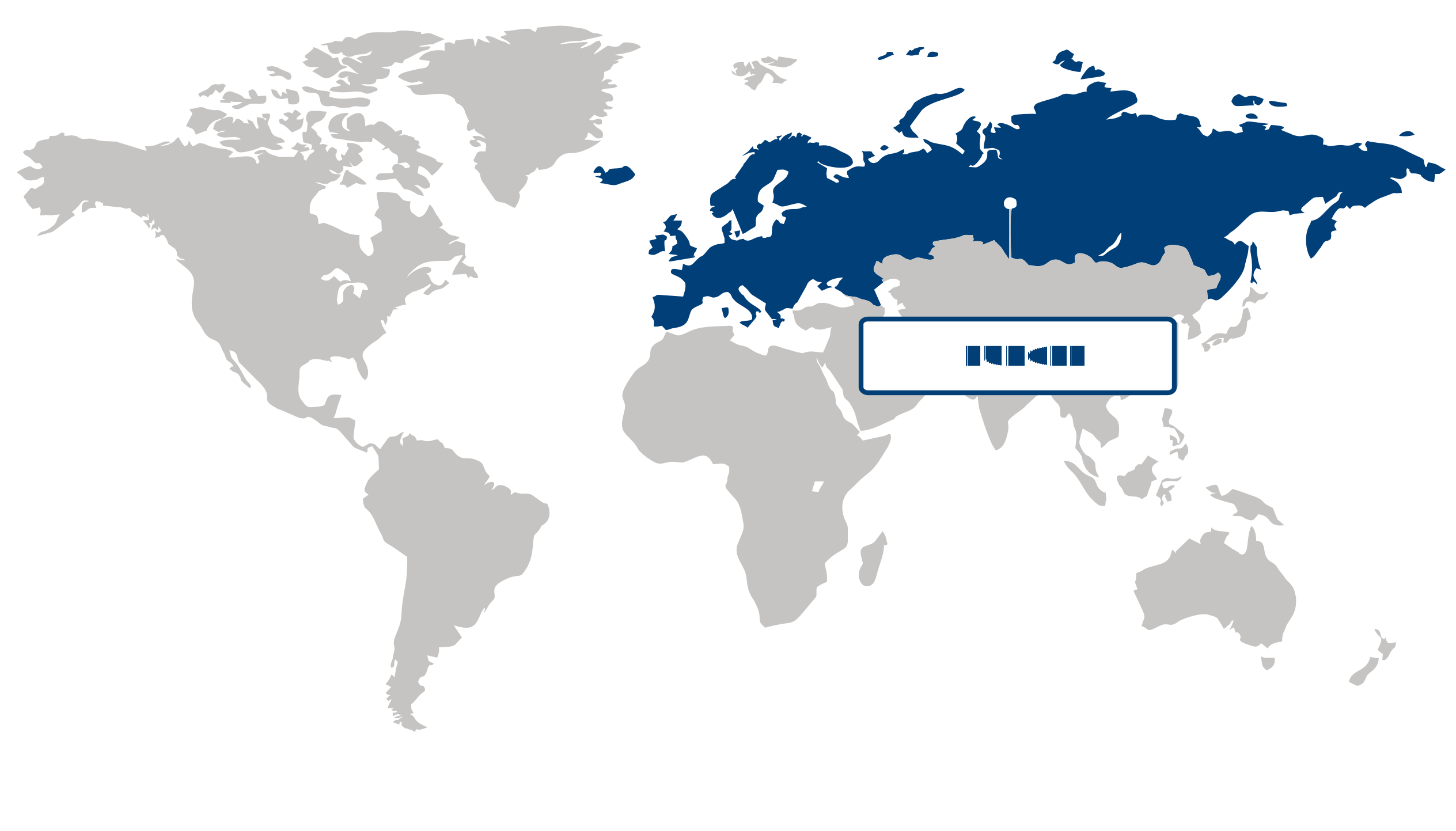
Europe dominated the luxury apparels market in 2025, representing more than 38% of the global share. This region’s leadership is primarily driven by robust demand for premium fashion brands and elevated spending on high-end luxury goods. The continent’s deep-rooted fashion heritage, coupled with a broad base of affluent consumers, underpins sustained market resilience. Notable players such as LVMH and Kering, headquartered in France, continue to innovate through digital transformation and sustainability initiatives, aligning with evolving consumer preferences. Additionally, Europe’s well-developed retail infrastructure and strategic focus on craftsmanship reinforce its market strength. Regulatory support promoting responsible sourcing further enhances brand credibility. According to the Fédération de la Haute Couture et de la Mode, the luxury sector in Europe is witnessing renewed vitality post-pandemic, marking the region as a prime landscape for future expansion in luxury apparels.
Germany anchors the European luxury apparels market through its blend of high discretionary income and growing appetite for premium global brands. German consumers increasingly prioritize quality and sustainability, encouraging brands like Hugo Boss and Escada to integrate eco-friendly materials into collections. The country’s strong logistics network facilitates efficient distribution, while consumer trust in established, heritage brands continues to elevate sales. Insights from the German Fashion Association highlight a burgeoning demand for digital luxury retailing, reflecting shifting shopping behaviors. This dynamic positions Germany as a crucial pillar bolstering Europe’s luxury apparels market growth.
France stands as a pivotal hub in Europe’s luxury apparels market, uniquely shaped by its iconic fashion institutions and unparalleled brand portfolio. The country’s stringent intellectual property protections and emphasis on artisanal craftsmanship foster an exclusive consumer experience. Corporate disclosures from Chanel and Hermès reveal ongoing investments in digital platforms and experiential retail to engage discerning clientele. Moreover, France’s tourism revival amplifies luxury sales, particularly in Paris, the global fashion capital. These factors solidify France’s strategic role in maintaining Europe’s dominance while presenting investors with compelling opportunities tied to heritage-rich, innovation-driven growth in luxury apparels.
Asia Pacific Market Analysis:
Asia Pacific emerged as the fastest-growing region in the luxury apparels market, registering a robust CAGR of 7.4%. This acceleration is primarily driven by rising disposable incomes and an expanding luxury consumer base, as middle- and upper-class populations seek premium lifestyle products. The shift towards personalized and sustainable luxury among affluent consumers, supported by digital retail innovations and enhanced supply chain efficiency, further fuels demand. According to McKinsey & Company’s Asia Luxury Insights 2023, increasing urbanization coupled with favorable economic policies has amplified consumers’ purchasing power. Furthermore, government support for e-commerce infrastructure and cultural affinity for high-status brands boost luxury apparels sales. With ongoing advancements in omnichannel retail and growing demand for ethically-produced luxury, Asia Pacific is poised to offer significant strategic opportunities for market participants to deepen consumer engagement and accelerate revenue growth.
Japan plays a pivotal role in the Asia Pacific luxury apparels market, distinguished by its sophisticated consumer base with a pronounced preference for craftsmanship and premium quality. Rising incomes have led to an uptick in luxury spending, especially among younger demographics appreciating both heritage brands and contemporary designers. The Japan External Trade Organization reports strong growth in domestic luxury retail and inbound tourism-driven sales, assisted by streamlined regulations and innovative brand collaborations. Meanwhile, digital transformation across retail platforms allows Japanese luxury shoppers to access global brands seamlessly. Japan’s unique blend of tradition and modernity reinforces its stature within the regional market, enabling luxury players to capitalize on evolving tastes and technological adoption to sustain competitive advantage.
China serves as a key growth engine within Asia Pacific’s luxury apparels market, fueled by a burgeoning affluent class and expanding consumer appetite for high-end fashion. The surge in disposable income, particularly in Tier 1 and Tier 2 cities, aligns with a growing youth segment keen on luxury as a symbol of status and self-expression. According to a 2023 report by the China National Textile and Apparel Council, luxury consumption has been bolstered by supportive domestic policies, greater protection of intellectual property rights, and expansive e-commerce ecosystems spearheaded by platforms like Tmall Luxury Pavilion. China's rapid shift towards digital-first luxury shopping experiences and increasing demand for sustainable production amplify the region’s market potential. This dynamic consumer evolution underscores China’s essential contribution to Asia Pacific’s leadership in the luxury apparels market.
North America Market Trends:
North America held a commanding share in the luxury apparels market, driven by its mature consumer base with a sustained appetite for premium brands and distinct luxury experiences. Robust spending power combined with a growing shift toward sustainable and ethically sourced fashion has influenced purchasing behaviors, nudging brands toward transparency and innovation. Technological advancements in e-commerce platforms like those reported by the Luxury Institute, alongside sophisticated supply chain integration led by companies such as Ralph Lauren, have enhanced market responsiveness and operational efficiency. North America's regulatory environment promoting fair trade and environmental standards further shapes product offerings, while demographic shifts toward younger affluent consumers seeking personalized and digitally immersive shopping experiences amplify market vitality. These evolving dynamics position North America as a fertile ground for luxury apparel brands aiming to implement cutting-edge retail innovations and capitalize on consumer demand for authenticity and exclusivity.
The U.S. plays a pivotal role in the luxury apparels market as one of the largest and most influential demand hubs. Elevated consumer spending on luxury goods, underscored by brand loyalty and an increasing inclination for sustainable luxury, reinforces market expansion. For instance, the Federal Trade Commission’s evolving guidelines on environmental marketing claims compel brands to adopt rigorous sustainability practices, creating a competitive advantage for those that comply. Additionally, high-profile collaborations highlighted by companies such as Michael Kors demonstrate how innovation in design and digital retailing, especially via platforms like Shopify’s Luxury Division, enhances consumer engagement. This strategic environment underscores the U.S. as a critical market for luxury apparel companies to pilot new concepts and scale sustainable initiatives, ultimately reinforcing North America’s leadership in the global luxury apparel landscape.
| Parameter | North America | Asia Pacific | Europe | Latin America | MEA |
|---|---|---|---|---|---|
| Innovation HubiScaleNascentDeveloping Advanced | |||||
| Cost-Sensitive RegioniScaleLowMedium High | |||||
| Regulatory EnvironmentiScaleRestrictiveNeutral Supportive | |||||
| Demand DriversiScaleWeakModerate Strong | |||||
| Development StageiScaleEmergingDeveloping Developed | |||||
| Adoption RateiScaleLowMedium High | |||||
| New Entrants / StartupsiScaleSparseModerate Dense | |||||
| Macro IndicatorsiScaleWeakStable Strong |
Luxury Apparels Market Share (%), by Distribution Channel, 2026
Go beyond the chart, access full insights & data tables
Request Free Sample ReportOffline held the largest share in the luxury apparels market in 2025, driven primarily by luxury shoppers’ enduring preference for tactile, in-store experiences and personalized service. This segment’s leadership reflects a consumer trend favoring direct brand engagement, allowing intuitive material exploration and bespoke fitting, aspects less replicable online. Industry players such as LVMH emphasize exclusive in-store events and enhanced customer journey initiatives, reinforcing offline dominance. The segment benefits from well-established retail networks and elite boutique presence, creating strategic advantages for both legacy brands and boutique entrants focused on experiential differentiation. As luxury brands continue investing in flagship stores and immersive retail formats, offline distribution is poised to uphold its relevance amid evolving consumer expectations and rising demand for curated luxury interactions.
Analysis by End User
Women represented the largest share in the luxury apparels market in 2025, propelled by stronger female luxury apparel demand and increased discretionary spending throughout 2024. This trend underscores shifting demographic dynamics and a heightened emphasis on personal expression through premium fashion, supported by cultural movements advocating gender-inclusive luxury narratives. Hermès and Gucci’s targeted women-centric campaigns and capsule collections illustrate how leading firms capitalize on this momentum. Additionally, the segment’s focus on quality craftsmanship and sustainability resonates with ethical consumerism trends shaping modern luxury consumption. The growing economic empowerment of women provides expanding opportunities for both established fashion houses and innovative startups to deepen market penetration. Given ongoing shifts in female consumer preferences and spending power, this segment will continue to be a key driver of growth in the luxury apparels market.
| Segment | Sub-Segment | Largest Segment | Fastest Growing |
|---|---|---|---|
| Distribution Channel | Online, Offline | ||
| End User | Men, Women, Children |
Unlock insights tailored to your business with our bespoke market research solutions.
Click to get your customized report now.
Competitive Landscape and Market Positioning
The competitive environment is marked by dynamic initiatives such as expanding bespoke offerings, embracing sustainability-focused materials, and integrating advanced digital experiences to enhance consumer engagement. Leading houses actively evolve through selective acquisitions, joint ventures, and cross-industry collaborations, reinforcing innovation pipelines and global footprint. These efforts foster strengthened brand equity, allow quick adaptation to evolving luxury consumer preferences, and heighten differentiation, thereby elevating competitive intensity across the market landscape.
Strategic / Actionable Recommendations for Regional Players
In North America, capitalizing on partnerships with emerging tech firms could accelerate adoption of augmented reality fitting tools and personalized digital marketing, enhancing customer intimacy and responsiveness to luxury’s evolving consumption patterns.
Asia Pacific players should articulate collaborations that meld traditional craftsmanship with contemporary cultural narratives, targeting affluent millennials and Gen Z segments who prioritize both heritage and modern expression.
European companies might benefit from deepening investments in circular luxury initiatives and artisan-driven storytelling, accentuating sustainability credentials and emotional connection to heritage amid increasing eco-conscious demand.
| Company | Market Share | Company Revenue | Revenue CAGR (%) | Product Portfolio | Geographic Presence | Innovation / R&D Focus | Strategic Developments |
|---|---|---|---|---|---|---|---|
| No companies available. | |||||||
Customize Your Report
Explore examples of how this report can be tailored to different research needs, including custom segments, additional topics or chapters, and related reports. Click a section of the wheel or its numbered marker to explore the available options.
Luxury Apparels Market — Custom Segments
| Segment | Sub-Segment |
|---|---|
| No segment data available. | |
Luxury Apparels Market — Custom TOC
| Custom Chapter | Chapter Details |
|---|---|
| No custom TOC data available. | |
Need a different cut of the data?
Request Custom ResearchFrequently Asked Questions
How is the luxury apparels industry expected to grow over the next 10 years?
Which region captures the largest portion of the luxury apparels market value?
Where has the luxury apparels sector recorded the sharpest year-over-year increase?
How does offline segment fare in the luxury apparels industry?
What share does women segment hold in the luxury apparels sector as of 2025?
Who holds a significant market share in the luxury apparels landscape?
Our Clients
"The report provided us with a clear direction, and the level of detail was beyond what we expected. I would definitely recommend their services to others."
Haier Appliances
"The collaboration with Fundamental Business Insights has added significant value to our decision-making process, and we look forward to continuing this partnership for our future market research requirements."
Luxottica Group S.p.A.
"The team at FBI delivered an exceptional research report. The insights on industry innovations were particularly impressive and added a lot of value to the overall report."
Nike
Our Research Team & Methodology
Every Fundamental Business Insights report is built by a dedicated vertical research team, validated through a structured primary-and-secondary methodology, and reviewed for accuracy before it reaches you.
This report was prepared by the Consumer Goods & Services Research Team at Fundamental Business Insights, a dedicated research group specializing in global consumer markets, retail industries, and service-oriented businesses. The team closely tracks evolving consumer preferences, purchasing behavior, product innovation, brand strategies, retail and e-commerce developments, pricing trends, distribution channels, sustainability initiatives, demographic shifts, and changing lifestyle patterns to deliver timely and reliable market intelligence. The research is developed using a structured methodology that combines primary discussions with manufacturers, brand owners, retailers, distributors, service providers, industry experts, and other key stakeholders, along with company annual reports, government consumer statistics, regulatory publications, industry associations, retail market data, trade publications, and other authoritative secondary sources. Market estimates are validated through multiple research techniques, including top-down and bottom-up analysis, before undergoing an internal quality review to ensure accuracy, consistency, and methodological integrity prior to publication.
Delivery
Published
Available
Support
- Market Size & Forecast
- Market Segmentation
- Regional Analysis
- Growth Drivers & Challenges
- Market Dynamics
- Competitive Landscape
- Company Profiles
- Competitive Benchmarking
- Mergers & Acquisitions
- Market Share Analysis or Key Company Strategies
- Value Chain Analysis
- Porter's Five Forces
- PESTLE Analysis
- Pricing Trends
- Supply-Demand Analysis
- Technology Landscape
- Regulatory Landscape
- Investment & Funding Landscape
- Emerging Opportunities
- Future Market Outlook