Industrial Plastic Market Size & Growth Forecast 2027–2036, By Segments (Product, Application), Regional Demand Trends (North America, Asia Pacific, Europe), Key Country Insights (U.S., Japan, South Korea, Germany, France, Italy), and Competitive Landscape
Jump to Content
Market Size and Growth Outlook
Industrial Plastic Market size was more than USD 107.4 billion in 2026 and is set to grow at a 5.8% CAGR between 2027 and 2036, crossing USD 188.74 billion by 2036. The industry revenue for 2027 is estimated at USD 113.3 billion.
Get more details on this report
Request Free Sample ReportIndustrial Plastic Market Intelligence Snapshot
Regional Market Dynamics
- Asia Pacific accounted for 46.6% of the industrial plastic market in 2026, supported by rapid industrialization, expanding automotive and electronics manufacturing, strong packaging demand, infrastructure development, and established plastic processing capabilities across major economies such as China, India, Japan, and South Korea.
- North America is the fastest-growing regional market, driven by increasing investments in advanced manufacturing, electric vehicle production, infrastructure modernization, and high-performance polymer applications.
Segment Momentum
- The polyamide segment holds the largest share of the industrial plastic market, accounting for 34.6% in 2026. Its strong mechanical properties, durability, heat resistance, and extensive applications across automotive, electrical and electronics, and industrial manufacturing industries support its leading market position.
- The electrical and electronics segment is expected to witness the fastest growth, driven by increasing demand for high-performance insulating materials, durable electronic components, and lightweight plastic solutions.
Market Expansion Drivers
- Expanding Automotive and Transportation Manufacturing Increasing Demand for Lightweight, Durable, and High-Performance Plastic Components
- Rising Infrastructure Development and Industrial Construction Activity Accelerating Consumption of Plastic Pipes, Fittings, and Insulation Materials
- Growing Adoption of Recyclable Engineering Plastics and Bio-Based Polymers Supporting Sustainable Industrial Material Substitution
Leading Market Participants
- Top companies in the Industrial Plastic market include BASF SE (Germany), SABIC (Saudi Arabia), LyondellBasell Industries Holdings B.V. (United States), Evonik Industries AG (Germany), Arkema S.A. (France), Solvay SA (Belgium), Victrex plc (United Kingdom), Eastman Chemical Company (United States), Ensinger GmbH (Germany), Mitsubishi Engineering-Plastics Corporation (Japan), Formosa Plastics Corporation (Taiwan), and Teijin Aramid B.V. (Netherlands).
Global Market Forecast Snapshot
Market Outlook
- 2026 Market Size: USD 107.4 Billion
- 2027 Estimated Market Size: USD 113.3 Billion
- Projected Market Size: USD 188.74 Billion by 2036
- Growth Forecast: 5.8% CAGR (2027-2036)
Regional and Segment Outlook
- Leading Regional Market: Asia Pacific
- High-Growth Regional Hub: North America
- Core Revenue Segment: Polyamide (Product) | Automotive & Transportation (Application)
- Emerging Opportunity Segment: Acrylonitrile Butadiene Styrene (ABS) (Product) | Building & Construction (Application)
Market Growth Drivers and Industry Trends
Expanding Automotive and Transportation Manufacturing Increasing Demand for Lightweight, Durable, and High-Performance Plastic Components
The expansion of automotive and transportation manufacturing is driving industrial plastic demand as manufacturers increasingly replace conventional metal components with lightweight, durable, and high-performance polymer materials. Plastics such as polypropylene, polycarbonate, polyamide, and polyurethane are widely utilized in vehicle interiors, dashboards, bumpers, under-the-hood components, electrical systems, and exterior panels. The growing production of electric vehicles is further accelerating demand for specialized engineering plastics used in battery enclosures, insulation systems, and lightweight structural components. These material substitution trends are supporting vehicle weight reduction, improved energy efficiency, design flexibility, and enhanced manufacturing performance.
Rising Infrastructure Development and Industrial Construction Activity Accelerating Consumption of Plastic Pipes, Fittings, and Insulation Materials
Increasing investments in infrastructure development, urbanization, and industrial construction are generating substantial demand for industrial plastics across building and utility applications. Materials such as polyvinyl chloride (PVC), high-density polyethylene (HDPE), and polypropylene are increasingly used in water supply networks, drainage systems, industrial piping, electrical conduits, and protective insulation. Their corrosion resistance, lightweight characteristics, durability, and lower installation requirements make them suitable alternatives to traditional construction materials. Expanding transportation infrastructure, industrial facilities, water management projects, and commercial construction activities are further strengthening consumption of plastic-based products across global infrastructure value chains.
Growing Adoption of Recyclable Engineering Plastics and Bio-Based Polymers Supporting Sustainable Industrial Material Substitution
Increasing emphasis on sustainable manufacturing and resource efficiency is encouraging industrial manufacturers to adopt recyclable engineering plastics, recycled polymer compounds, and bio-based materials. Advances in mechanical recycling, chemical recycling, polymer recovery, and material compounding are improving the quality and application potential of recycled plastics across automotive, electronics, packaging, and industrial equipment manufacturing. Additionally, growing environmental compliance requirements and corporate sustainability commitments are accelerating investments in circular material supply chains. These developments are supporting the transition toward lower-impact polymer alternatives while creating opportunities for innovation in material formulation, processing technologies, and sustainable industrial applications.
| Growth Driver | Impact on CAGR | Regulatory Influence | Geographic Relevance | Adoption Rate | Impact Timeline |
|---|---|---|---|---|---|
| Expanding automotive and transportation manufacturing increasing demand for lightweight, durable, and high-performance plastic components | 2% | Moderate | Asia Pacific, North America | High | Near Term |
| Rising infrastructure development and industrial construction activity accelerating consumption of plastic pipes, fittings, and insulation materials | 1.5% | Moderate | Asia Pacific, Middle East & Africa | High | Mid Term |
| Growing adoption of recyclable engineering plastics and bio-based polymers supporting sustainable industrial material substitution | 1% | High | Europe, North America | Emerging | Long Term |
Explore Growth Opportunities
Request Free Sample ReportRegional Demand Dynamics
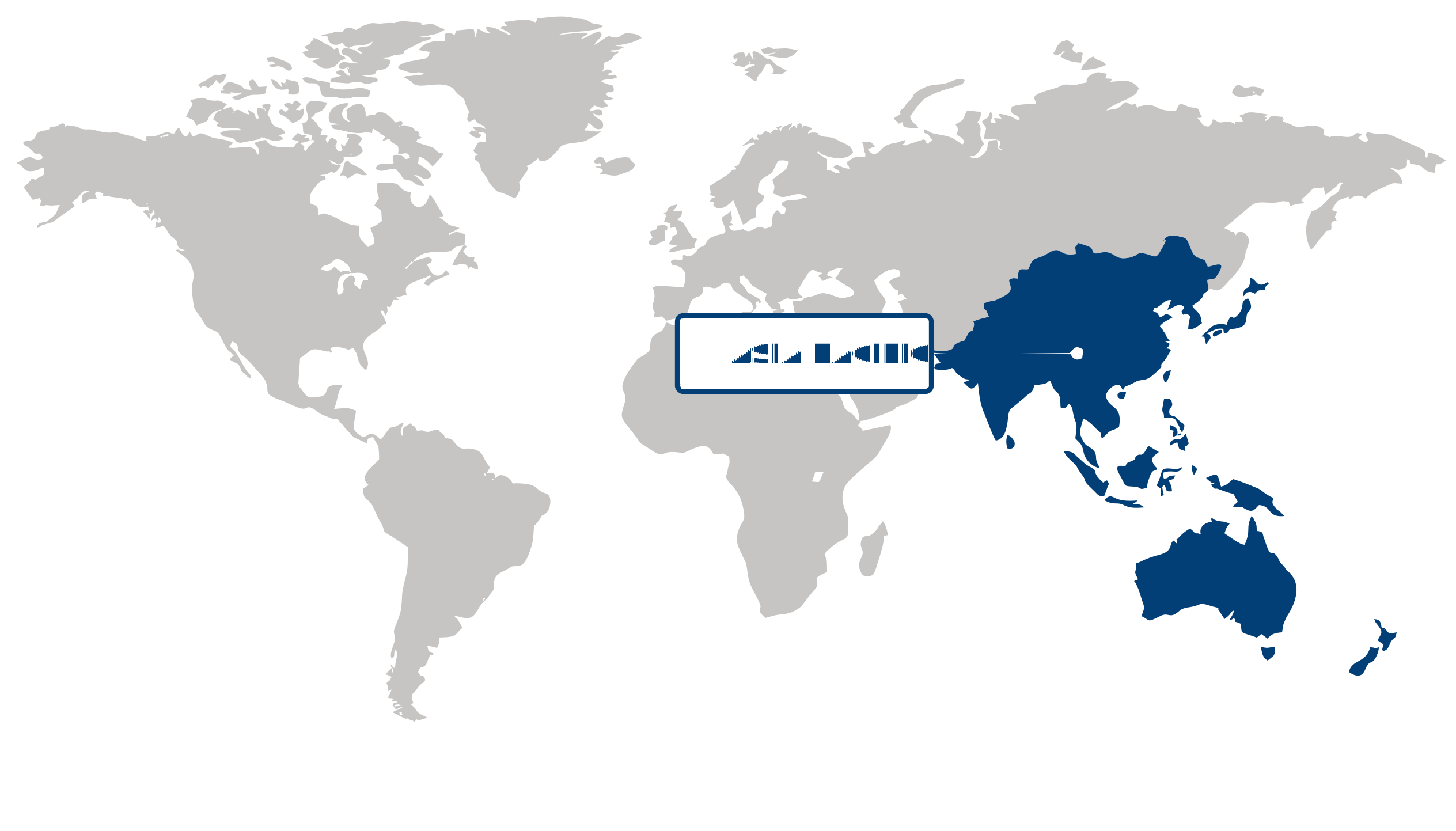
Asia Pacific (Largest Region)
Asia Pacific accounted for 46.6% of the industrial plastic market in 2026, supported by rapid industrialization, expanding manufacturing activities, and strong demand for plastic materials across automotive, electrical and electronics, packaging, and construction industries. Countries such as China, India, Japan, and South Korea are witnessing increased investments in manufacturing infrastructure, automotive production, and consumer goods industries. The region's established plastics processing ecosystem, availability of raw materials, and competitive manufacturing capabilities are further strengthening its market position. Rising demand for lightweight, durable, and cost-effective materials is encouraging manufacturers to expand their use of industrial plastics across diverse applications. Additionally, growing urbanization, infrastructure development, and increasing consumption of packaged products are supporting regional demand. Continued investments in industrial capacity, electronics manufacturing, and advanced material processing are expected to reinforce Asia Pacific's leadership in the industrial plastic market.
North America (Fastest-Growing Region)
North America is expected to witness the fastest growth in the industrial plastic market, driven by increasing investments in advanced manufacturing, automotive production, and technological innovation. The region is experiencing rising demand for high-performance plastics across automotive and transportation, building and construction, electrical and electronics, and healthcare applications. Manufacturers are increasingly adopting lightweight and durable polymer materials to improve product performance, enhance manufacturing efficiency, and support evolving design requirements. Growing investments in electric vehicle production, advanced electronics, and modern infrastructure are creating additional opportunities for industrial plastic applications. Furthermore, the increasing focus on recyclable materials, sustainable manufacturing practices, and advanced polymer technologies is encouraging innovation across the regional plastics industry. Strong industrial capabilities, ongoing manufacturing modernization, and demand for specialized plastic materials are expected to accelerate market expansion across North America.
| Parameter | North America | Asia Pacific | Europe | Latin America | MEA |
|---|---|---|---|---|---|
| Innovation HubiScaleNascentDeveloping Advanced | |||||
| Cost-Sensitive RegioniScaleLowMedium High | |||||
| Regulatory EnvironmentiScaleRestrictiveNeutral Supportive | |||||
| Demand DriversiScaleWeakModerate Strong | |||||
| Development StageiScaleEmergingDeveloping Developed | |||||
| Adoption RateiScaleLowMedium High | |||||
| New Entrants / StartupsiScaleSparseModerate Dense | |||||
| Macro IndicatorsiScaleWeakStable Strong |
Key Country Insights
United States 🇺🇸
Advanced Polymer ApplicationsThe U.S. industrial plastics market is supported by demand from automotive, aerospace, packaging, electronics, and industrial equipment manufacturers. Material suppliers are focusing on high-performance polymers, lightweight components, and application-specific plastic formulations, while manufacturers increasingly consider recyclability and material efficiency in product development.
Germany 🇩🇪
Precision Polymer ManufacturingGermany's industrial plastics industry is closely connected to automotive engineering, machinery manufacturing, and industrial automation. Manufacturers prioritize engineering-grade plastics, high-temperature polymers, and precision-molded components to meet demanding mechanical and operational requirements, alongside increasing attention to recycled polymer integration and production efficiency.
Japan 🇯🇵
High-Performance Material EngineeringJapan's industrial plastics market is characterized by specialized material requirements across electronics, automotive, electrical equipment, and precision manufacturing. Producers are emphasizing advanced engineering plastics, heat-resistant materials, and lightweight polymer components to support miniaturized electronics, vehicle efficiency, and demanding industrial applications.
South Korea 🇰🇷
Electronics Polymer IntegrationSouth Korea's industrial plastics industry benefits from its extensive electronics, semiconductor, automotive, and electrical equipment manufacturing base. Demand is closely linked to specialized polymers used in insulation, precision components, protective housings, and semiconductor-related equipment, encouraging material suppliers to prioritize thermal stability and dimensional precision.
France 🇫🇷
Sustainable Polymer ProcessingFrance's industrial plastics market is increasingly shaped by packaging, automotive, construction, and industrial manufacturing requirements. Polymer processors and material suppliers are focusing on recycled-content materials, lightweight plastic components, and recyclable product designs while maintaining the performance and durability standards required across established industrial applications.
Italy 🇮🇹
Industrial Plastics ConversionItaly's industrial plastics market is supported by a diverse manufacturing base spanning automotive components, machinery, packaging, furniture, and construction materials. Plastics converters are emphasizing customized molding, application-specific polymer processing, and product design flexibility, with material selection increasingly influenced by durability, processing efficiency, and recyclability requirements.
Industrial Plastic Market Share (%), by Polyamide, 2026
Go beyond the chart, access full insights & data tables
Request Free Sample ReportProduct Segment Analysis: Polyamide (Largest Segment) vs Polycarbonate (Fastest-Growing Segment)
The polyamide segment accounted for the largest market share of 34.6% in 2026, supported by its extensive applications across automotive, electrical and electronics, industrial machinery, and consumer goods industries. Its excellent mechanical strength, durability, heat resistance, and chemical resistance make it a preferred material for manufacturing high-performance industrial components. Increasing demand for lightweight materials, particularly in automotive and transportation applications, coupled with the growing adoption of engineering plastics in industrial manufacturing, continues to reinforce the segment's dominant market position.
Holding significant long-term growth potential, the polycarbonate segment is expected to expand at the fastest pace, driven by its superior impact resistance, optical clarity, lightweight properties, and dimensional stability. Increasing applications in automotive components, electrical and electronic equipment, construction materials, and consumer products are encouraging manufacturers to adopt polycarbonate as an alternative to conventional materials. Furthermore, growing demand for durable, lightweight, and high-performance plastics across industrial applications is expected to accelerate segment growth.
Application Segment Analysis: Automotive & Transportation (Largest Segment) vs Electrical & Electronics (Fastest-Growing Segment)
The automotive and transportation segment accounted for the largest market share of 29.2% in 2026, driven by the increasing utilization of industrial plastics in vehicle manufacturing and transportation components. Growing demand for lightweight materials to improve fuel efficiency, reduce vehicle emissions, and enhance overall performance is encouraging automotive manufacturers to incorporate plastics into interior components, exterior parts, under-the-hood applications, and structural elements. Furthermore, the increasing adoption of electric vehicles and the growing emphasis on vehicle lightweighting are expected to sustain demand for industrial plastics across the automotive and transportation industry.
Holding significant long-term growth potential, the electrical and electronics segment is expected to expand at the fastest pace, supported by increasing demand for high-performance insulating materials, lightweight components, and durable plastic solutions. Industrial plastics such as polycarbonate, polyamide, and other engineering polymers are widely utilized in electrical enclosures, connectors, circuit protection components, electronic housings, and insulation systems. Growing electronics manufacturing, increasing adoption of advanced electronic devices, and rising investments in electrical infrastructure are expected to accelerate the segment's growth.
| Segment | Sub-Segment | Largest Segment | Fastest Growing |
|---|---|---|---|
| Product | Polyamide, Acrylonitrile Butadiene Styrene (ABS), Polycarbonate, Polybutylene Terephthalate (PBT), Polytetrafluoroethylene (PTFE), Polyphenylene Ether, Liquid Crystal Polymers, PEEK, Polysulfone (PSU), Others | Polyamide | Polycarbonate |
| Application | Automotive & Transportation, Building & Construction, Electrical & Electronics, Packaging, Healthcare, Aerospace, Others | Automotive & Transportation | Electrical & Electronics |
Unlock insights tailored to your business with our bespoke market research solutions.
Click to get your customized report now.
Competitive Landscape and Market Positioning
Major players in the Industrial Plastic market:
- BASF SE (Germany)
- SABIC (Saudi Arabia)
- LyondellBasell Industries Holdings B.V. (United States)
- Evonik Industries AG (Germany)
- Arkema S.A. (France)
- Solvay SA (Belgium)
- Victrex plc (United Kingdom)
- Eastman Chemical Company (United States)
- Ensinger GmbH (Germany)
- Mitsubishi Engineering-Plastics Corporation (Japan)
- Formosa Plastics Corporation (United States)
- Teijin Aramid B.V. (Netherlands)
Analyst Perspective:
The industrial plastic market is characterized by competition among global petrochemical producers, specialty polymer manufacturers, and engineering plastics suppliers, with market positioning influenced by polymer performance, product quality, pricing, production capacity, and supply chain efficiency. Companies differentiate their offerings through innovations in high-performance thermoplastics, engineering resins, specialty polymers, advanced compounding, and sustainable plastic solutions. Growing demand from automotive, construction, electrical and electronics, packaging, and industrial manufacturing sectors is encouraging investments in lightweight materials, recyclable polymers, bio-based alternatives, and high-performance applications. Competitive strategies increasingly emphasize capacity expansion, geographic diversification, strategic collaborations, and application-specific product development. However, fluctuations in petrochemical feedstock prices, stringent environmental regulations, recycling requirements, and competition from alternative materials continue to influence industry positioning.
| Company | Market Share | Company Revenue | Revenue CAGR (%) | Product Portfolio | Geographic Presence | Innovation / R&D Focus | Strategic Developments |
|---|---|---|---|---|---|---|---|
| BASF SE (Germany) | |||||||
| SABIC (Saudi Arabia) | |||||||
| LyondellBasell Industries Holdings B.V. (United States) | |||||||
| Evonik Industries AG (Germany) | |||||||
| Arkema S.A. (France) | |||||||
| Solvay SA (Belgium) | |||||||
| Victrex plc (United Kingdom) | |||||||
| Eastman Chemical Company (United States) | |||||||
| Ensinger GmbH (Germany) | |||||||
| Mitsubishi Engineering-Plastics Corporation (Japan) | |||||||
| Formosa Plastics Corporation (United States) | |||||||
| Teijin Aramid B.V. (Netherlands) |
Customize Your Report
Explore examples of how this report can be tailored to different research needs, including custom segments, additional topics or chapters, and related reports. Click a section of the wheel or its numbered marker to explore the available options.
Industrial Plastic Market — Custom Segments
| Segment | Sub-Segment |
|---|---|
| Manufacturing Process | Injection Molding, Extrusion, Blow Molding, Thermoforming, Rotational Molding, Compression Molding |
| Product Form | Films & Sheets, Pipes & Tubes, Rods & Bars, Foams, Fibers, Molded Components |
| Distribution Channel | Direct Sales, Distributors & Wholesalers, Online Sales |
Industrial Plastic Market — Custom TOC
| Custom Chapter | Chapter Details |
|---|---|
| Circular Economy and Plastic Waste Valorization Strategy |
|
| Industrial Plastic Substitution and Material Transition Strategy |
|
| Industrial Plastic Supply Chain Resilience and Sourcing Strategy |
|
Need a different cut of the data?
Request Custom ResearchFrequently Asked Questions
What is the size of the Industrial Plastic Market?
How fast will the Industrial Plastic Market grow by 2036?
How is automotive manufacturing influencing the growth of the industrial plastic market?
How are sustainability initiatives transforming the industrial plastic market?
Which product segment holds the largest share of the industrial plastic market?
Which application segment is expected to witness the fastest growth in the industrial plastic market?
Why does Asia Pacific dominate the industrial plastic market?
Why is North America the fastest-growing region in the industrial plastic market?
Who are the leading players in the Industrial Plastic market landscape?
Our Clients
"The report helped us understand emerging consumer trends in our product category. It clarified where to focus innovation for the next product launch."
LyondellBasell
"The regional forecast section was incredibly useful. We were able to identify two new potential partners in Europe thanks to the vendor mapping you included."
SABIC
"We appreciated how actionable the recommendations were. It guided us to improve supply chain resilience."
Olin Corporation
Our Research Team & Methodology
Every Fundamental Business Insights report is built by a dedicated vertical research team, validated through a structured primary-and-secondary methodology, and reviewed for accuracy before it reaches you.
This report was prepared by the Chemicals & Materials Research Team at Fundamental Business Insights, a dedicated research group specializing in the global chemicals, advanced materials, and industrial manufacturing sectors. Our analysts continuously monitor raw material supply chains, feedstock pricing, production technologies, regulatory developments, sustainability initiatives, environmental compliance, trade dynamics, and evolving end-use applications to deliver timely and reliable market intelligence. The research is developed using a structured methodology that combines primary discussions with manufacturers, raw material suppliers, distributors, and industry experts, along with company annual reports, regulatory publications, government trade statistics, industry associations, technical literature, patent databases, and other authoritative secondary sources. Market estimates are validated through multiple research techniques, including top-down and bottom-up analysis, before undergoing an internal quality review to ensure accuracy, consistency, and methodological integrity prior to publication.
Delivery
Published
Available
Support
- Market Size & Forecast
- Market Segmentation
- Regional Analysis
- Growth Drivers & Challenges
- Market Dynamics
- Competitive Landscape
- Company Profiles
- Competitive Benchmarking
- Mergers & Acquisitions
- Market Share Analysis or Key Company Strategies
- Value Chain Analysis
- Porter's Five Forces
- PESTLE Analysis
- Pricing Trends
- Supply-Demand Analysis
- Technology Landscape
- Regulatory Landscape
- Investment & Funding Landscape
- Emerging Opportunities
- Future Market Outlook