Gamification Market Size & Share, By Component (Solution, Service), Deployment Model (On Premise, Cloud), Enterprise Size (Large Enterprises, SMEs), Application (Sales & Marketing, Product Development, Human Resource, Support, Others), Industry Vertical (Retail, Education, IT and telecom, BFSI, Manufacturing, Media and Entertainment, Other) - Growth Trends, Regional Insights (U.S., Japan, South Korea, UK, Germany), Competitive Positioning, Global Forecast Report 2025-2034

Report ID: FBI 7236| Published Date: Jan-2025| Format: PDF, Excel
Jump to Content
Market Outlook

Market Size and Growth Outlook

Gamification Market size is expected to see substantial growth, increasing from USD 16.18 billion in 2024 to USD 185.13 billion by 2034, at a CAGR of over 27.6%. By 2025, the industry revenue is estimated to be USD 20.2 billion.

Base Year Value (2024)
USD 16.18 billion
CAGR (2025-2034)
27.6%
Forecast Year Value (2034)
USD 185.13 billion
Historical Data Period
2019-2024
Largest Region
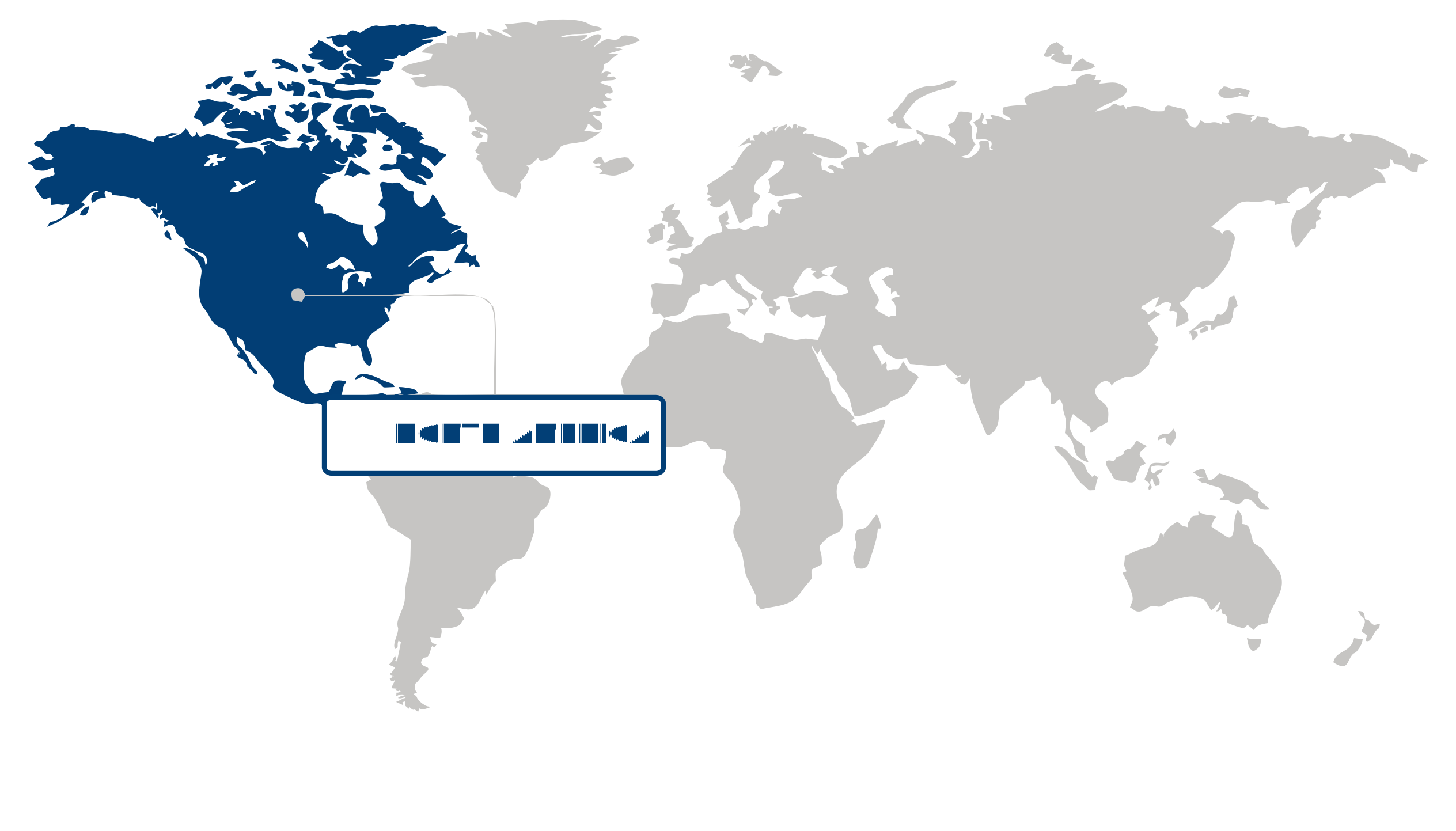
North America
Forecast Period
2025-2034

Get more details on this report

Request Free Sample Report
Snapshot

Gamification Market Intelligence Snapshot

Regional Market Dynamics

Segment Momentum

Market Expansion Drivers

Leading Market Participants

Forecast Snapshot

Global Market Forecast Snapshot

Market Outlook

Regional and Segment Outlook

Market Dynamics

Market Growth Drivers and Industry Trends

Growth Drivers & Opportunity: One major growth driver for the gamification market is the increasing adoption of gamification across various industries. Businesses are recognizing the potential of gamification to enhance customer engagement, employee training, and productivity. By integrating game mechanics into non-game contexts, companies can motivate users, increase participation, and foster a competitive spirit. This trend is particularly prominent in sectors like education, healthcare, and retail, where interactive and engaging experiences can lead to improved outcomes and higher satisfaction rates. Another significant driver is the rising demand for enhanced learning and development solutions. Organizations are seeking innovative ways to train employees and upskill their workforce, and gamification offers a compelling approach to make learning more enjoyable and effective. The use of game-based elements such as rewards, badges, and leaderboards can transform traditional training methods, leading to better retention of knowledge and improved performance. As more companies invest in employee development, gamification is expected to play a pivotal role in shaping the future of corporate training. The growing penetration of mobile devices and online platforms is also fueling the gamification market. With more people accessing the internet through smartphones and tablets, businesses are leveraging these platforms to deliver gamified experiences that engage users on-the-go. This accessibility not only broadens the reach of gamification strategies but also allows companies to collect valuable data on user behavior and preferences. As mobile technology continues to advance, the opportunities for gamification are likely to expand, offering businesses new ways to connect with their audiences. Industry Restraints: Despite its potential, the gamification market faces several restraints that may hinder its growth. One major challenge is the skepticism surrounding the effectiveness of gamification strategies. Many organizations are still unsure about the return on investment associated with gamified initiatives, which can lead to reluctance in adopting such approaches. Without sufficient evidence of success, businesses may opt for traditional methods over gamification, limiting its widespread implementation. Another significant restraint is the risk of oversimplification or misapplication of gamification principles. If not designed thoughtfully, gamified experiences can come off as superficial or gimmicky, failing to engage users or achieve the intended objectives. Poorly executed gamification can also lead to user frustration or disengagement, resulting in backlash against the brand. As a result, companies may be hesitant to invest in gamification solutions without a clear understanding of how to implement them effectively.

Explore Growth Opportunities

Request Free Sample Report
Regional Forecast

Regional Demand Dynamics

Gamification Market
Largest Region
North America
38% Market Share in 2024
North America The North American gamification market is experiencing significant growth, primarily driven by the increasing adoption of gamification in various sectors such as education, healthcare, and corporate training. The United States dominates the market, fueled by the presence of major technology companies and a robust start-up ecosystem. Companies are leveraging gamified solutions to enhance employee engagement, improve learning outcomes, and boost customer loyalty. Canada is also showing a rising trend in gamification adoption, especially in educational institutions and gaming industries, promoting innovative learning and training methodologies. Asia Pacific The Asia Pacific region is witnessing rapid growth in the gamification market, with countries like China, Japan, and South Korea leading the charge. China is seeing substantial investments in gamification technology, particularly in the e-learning sector and mobile applications. Japan is known for its advanced gaming culture, which directly influences the integration of gamification in various fields, including marketing and customer engagement. South Korea has a strong emphasis on digital transformation, driving gamification in corporate training and education, further propelled by high smartphone penetration and internet usage. Europe In Europe, the gamification market is on an upward trajectory, with significant contributions from the United Kingdom, Germany, and France. The UK is at the forefront of gamification adoption in sectors like retail and HR, focusing on enhancing the customer experience and employee training. Germany is leveraging gamification for industrial training and employee engagement solutions, emphasizing efficiency and productivity. France is gradually embracing gamification, particularly in educational institutions and corporate environments, as organizations seek innovative ways to motivate and engage employees and students through interactive and immersive experiences.
🔒 Need data on a specific country or region? Individual country/region reports are available at discounted pricing. Inquire Before Buying

Go beyond the chart, access full insights & data tables

Request Free Sample Report
Gamification Market Segment Analysis By Component The gamification market is segmented into solutions and services. The solution segment is expected to dominate the market due to the increasing demand for software applications that improve user engagement and motivation. Key functionalities such as real-time feedback, analytics, and performance tracking contribute to the broader adoption of gamification solutions across various industries. Conversely, the service segment, which includes consulting, implementation, and support services, is also gaining traction as businesses seek expertise in integrating gamification into their existing systems and processes. Deployment Model Regarding deployment models, the market is categorized into on-premise and cloud-based solutions. The cloud deployment model is anticipated to witness significant growth due to its flexibility, scalability, and reduced upfront costs. Organizations increasingly prefer cloud-based gamification platforms as they allow for easy updates and collaboration. However, on-premise solutions remain relevant for enterprises with strict data governance policies and security concerns, particularly in sectors like banking and finance. Enterprise Size The gamification market is further divided based on enterprise size into large enterprises and SMEs. Large enterprises hold a substantial share of the market thanks to their broader budgets and need for comprehensive gamification strategies to engage large user bases. However, SMEs are rapidly adopting gamification solutions, driven by the need for improved customer engagement and employee productivity. The growing availability of affordable gamification tools tailored for SMEs is expected to facilitate this trend. Application In terms of application, the market includes sales and marketing, product development, human resources, support, and others. The sales and marketing segment is likely to lead the market as companies leverage gamification to boost customer engagement, improve brand loyalty, and enhance promotional campaigns. The human resources segment is also expanding significantly, with organizations applying gamification for recruitment, training, and performance management. Applications in product development and support are growing as companies recognize the value of interactive platforms for user feedback and knowledge sharing. Industry Vertical The gamification market is segmented by industry verticals, including retail, education, IT and telecom, BFSI, manufacturing, media and entertainment, and others. The retail sector is expected to be a major contributor to market growth, as businesses implement gamification strategies to enhance customer experience and drive sales. In education, gamification is transforming teaching methodologies and learning experiences. The IT and telecom sectors are leveraging gamification for employee training and customer support, while BFSI is focusing on client engagement and retention strategies. Other industries, including manufacturing and media, are also exploring gamification to improve operational efficiency and audience interaction.
Segment Sub-Segment Largest Segment Fastest Growing
Custom Research

Unlock insights tailored to your business with our bespoke market research solutions.

Click to get your customized report now.

Request Customization →
Competitive Landscape

Competitive Landscape and Market Positioning

The competitive landscape in the Gamification Market is characterized by a dynamic mix of established tech firms and innovative start-ups, all vying for market share through unique solutions tailored to enhance user engagement and motivation. These companies are focusing on integrating gamified elements into various industries such as education, healthcare, and corporate training to foster improved user experiences and increased productivity. Key trends driving competition include advancements in gamification technologies, the rising adoption of mobile applications, and the growing demand for personalized and immersive experiences. The competitive edge is often gained through partnerships, technology integrations, and a deep understanding of consumer behavior. Top Market Players 1. Bunchball 2. Badgeville 3. Cognizant 4. SAP 5. Microsoft 6. Bamboozle 7. Playlyfe 8. Funifier 9. zZapp 10. Gamify
Company Market Share Company Revenue Revenue CAGR (%) Product Portfolio Geographic Presence Innovation / R&D Focus Strategic Developments
No companies available.
🔒 This section is available as a standalone purchase. Buy only the data you need. Inquire Before Buying
Report Customization

Customize Your Report

Explore examples of how this report can be tailored to different research needs, including custom segments, additional topics or chapters, and related reports. Click a section of the wheel or its numbered marker to explore the available options.

1 Custom Segments 2 Custom TOC 3 Related Reports

Gamification Market — Custom Segments

Segment Sub-Segment
No segment data available.

Gamification Market — Custom TOC

Custom Chapter Chapter Details
No custom TOC data available.

Need a different cut of the data?

Request Custom Research
FAQ

Frequently Asked Questions

Testimonials

Our Clients

"The team demonstrated a great understanding of our business needs, and the reports were tailored to address our specific concerns and objectives."

Delivery Manager
Infosys

"The report was up-to-date with the latest industry trends and technological advancements. The detailed competitive landscape analysis was quite helpful."

Network Engineer
Zebra Technologies

"The data presented in the report was accurate and well-researched. I also found the market dynamics section particularly useful."

Senior Sales Manager
Arlo Technologies
THE RESEARCH BEHIND THIS REPORT

Our Research Team & Methodology

Every Fundamental Business Insights report is built by a dedicated vertical research team, validated through a structured primary-and-secondary methodology, and reviewed for accuracy before it reaches you.

THIS REPORT'S RESEARCH VERTICAL
Smart Technologies
Research Team Overview

This report was prepared by the Smart Technologies Research Team at Fundamental Business Insights, a dedicated research group specializing in emerging digital technologies and intelligent connected systems. Our analysts continuously monitor advancements in artificial intelligence, Internet of Things (IoT), cloud computing, edge computing, cybersecurity, automation, digital transformation strategies, and evolving enterprise adoption trends to deliver timely and reliable market intelligence. The research is developed using a structured methodology that combines primary discussions with technology providers, software vendors, system integrators, enterprise users, and industry experts, along with company annual reports, investor presentations, regulatory publications, technology standards, industry associations, technical white papers, and other authoritative secondary sources. Market estimates are validated through multiple research techniques, including top-down and bottom-up analysis, before undergoing an internal quality review to ensure accuracy, consistency, and methodological integrity prior to publication.

Prepared by the Smart Technologies Research Team
10+Industry Verticals
100+Countries Analyzed
5-7Days Standard
Delivery
13.8K+Research Reports
Published
On-DemandCustomized Research
Available
6Months Analyst
Support
PDF + XLSReport Deliverables
Trust & Compliance
D&B D-U-N-S
GDPR & CCPA Compliant
ISO 9001 Certified (ISO 9001:2015)
SSL Encryption
Secure Payments
Confidential Handling
Research Intelligence
Primary Research Network
Secondary Sources
Executive Leadership
Product & Technology Experts
Manufacturing & Operations Leaders
Procurement & Supply Chain Professionals
Sales & Commercial Executives
Channel Partners & Distribution Networks
Enterprise Buyers & End Users
Industry Consultants & Regulatory Experts
Research Workflow & Quality Assurance
01
Data Collection
Verified information gathered through primary and secondary research.
02
Data Triangulation
Cross-validation using multiple independent data sources.
03
Forecast Modelling
Market estimates developed using historical trends and analytical models.
04
Analyst Validation
Findings reviewed by domain experts for accuracy and consistency.
05
Editorial & Quality Review
Final editorial, quality, and compliance checks before publication.
06
Final Publication
Released after successful completion of the internal review process.
Report Coverage
Market Assessment
  • Market Size & Forecast
  • Market Segmentation
  • Regional Analysis
  • Growth Drivers & Challenges
  • Market Dynamics
🏢 Competitive Intelligence
  • Competitive Landscape
  • Company Profiles
  • Competitive Benchmarking
  • Mergers & Acquisitions
  • Market Share Analysis or Key Company Strategies
🔍 Strategic Analysis
  • Value Chain Analysis
  • Porter's Five Forces
  • PESTLE Analysis
  • Pricing Trends
  • Supply-Demand Analysis
🚀 Future Outlook
  • Technology Landscape
  • Regulatory Landscape
  • Investment & Funding Landscape
  • Emerging Opportunities
  • Future Market Outlook
Have a question about this report or need a custom scope?
Request Customization

Want this data scoped to your exact question?

Tell us the segments, regions, or competitors you need answered — an analyst will confirm scope before any custom work starts.

Talk to an Analyst →