Ethylene Tetrafluoroethylene Market Size & Forecasts 2026-2035, By Segments (Type, Application, Technology), Growth Opportunities, Innovation Landscape, Regulatory Shifts, Strategic Regional Insights (U.S., Japan, China, South Korea, UK, Germany, France), and Competitive Dynamics (3M, Chemours, AGC Inc, Solvay, Daikin)
Jump to Content
Market Size and Growth Outlook
Ethylene Tetrafluoroethylene Market size is estimated to increase from USD 5.45 billion in 2025 to USD 10.52 billion by 2035, supported by a CAGR exceeding 6.8% during 2026-2035. In 2026, revenues are forecast to reach USD 5.78 billion.
Get more details on this report
Request Free Sample ReportEthylene Tetrafluoroethylene Market Intelligence Snapshot
Regional Market Dynamics
Segment Momentum
Market Expansion Drivers
Leading Market Participants
Global Market Forecast Snapshot
Market Outlook
Regional and Segment Outlook
Market Growth Drivers and Industry Trends
Development of High-Performance ETFE Films — Advances in multi-layer coatings, improved UV stability and recyclability pursued by material firms and research centers are changing specification criteria for long-life membranes; announcements from Daikin Industries and technology programs at Solvay demonstrate supplier-level commitment to higher-performance fluoropolymers, influencing procurement decisions and expanding the ethylene tetrafluoroethylene market. Suppliers with proprietary formulations can command premium retrofit and green-building contracts, while startups can compete by licensing targeted coatings or recycled-content compounds. With manufacturers publicly investing in product performance, building codes and procurement specs are increasingly referencing higher-grade ETFE, encouraging manufacturers and integrators to prioritize certified product lines.
Adoption in Large-Scale Infrastructure & Sports Facilities — High-visibility installations in arenas and transport hubs have validated ETFE as a cost-effective, low-weight cladding solution, with projects such as the Beijing National Aquatics Center and façades documented by Vector Foiltec and engineering work by Arup driving client confidence and procurement scale that expand the ethylene tetrafluoroethylene market. This creates opportunities for established contractors to offer turnkey envelope systems and for new entrants to provide specialized installation, maintenance and lifecycle services. As more stadiums and transit projects specify ETFE—demonstrated by case studies from Vector Foiltec and engineering firms—standardized detailing and performance benchmarks are emerging, making large-scale adoption operationally practical for future infrastructure programs.
Industry Restraints:
PFAS Regulatory Pressure: Policymakers are moving to restrict broad classes of fluorinated substances, creating permitting, compliance, and end‑use scrutiny that slows investment in ethylene tetrafluoroethylene (ETFE) capacity and adoption. The European Chemicals Agency (ECHA) PFAS restriction proposal and the U.S. Environmental Protection Agency (EPA) PFAS Strategic Roadmap explicitly target persistent fluorochemistries, increasing testing, reporting, and substitution requirements for fluoropolymers that drive project delays and higher compliance costs. For manufacturers such as Daikin Industries and Solvay, this raises reformulation and certification burdens; for fabricators and architects using ETFE foils—exemplified by high‑profile applications like the Allianz Arena—procurement risk increases. Expect continued regulatory tightening in the near‑to‑medium term, pressuring incumbents to invest in safer chemistries or secure regulatory exemptions while deterring risk‑averse new entrants.
Feedstock and Supply‑Chain Concentration: ETFE production depends on a narrow supply chain for tetrafluoroethylene precursors and fluorspar, making the market sensitive to raw‑material scarcity, geopolitical shifts, and logistics disruption. The U.S. Geological Survey (USGS) Fluorspar Mineral Commodity Summary highlights geographic concentration of fluorspar supply, while major fluorochemical platform providers such as Daikin Industries and Solvay account for disproportionate production capacity for fluorinated intermediates. Price volatility and lead‑time spikes advantage vertically integrated producers and raise working‑capital needs for converters and smaller entrants, complicating capacity expansion. In the near to medium term, expect strategic backward integration, longer supply contracts, and regional sourcing strategies to mitigate exposure, increasing barriers for standalone newcomers.
| Growth Driver | Impact on CAGR | Regulatory Influence | Geographic Relevance | Adoption Rate | Impact Timeline |
|---|---|---|---|---|---|
| Increasing demand in architectural & solar applications | 2.50% | Short term (≤ 2 yrs) | Asia Pacific, North America | Medium | Fast |
| Development of high-performance ETFE films | 2.00% | Medium term (2–5 yrs) | Europe, North America | Low | Moderate |
| Adoption in large-scale infrastructure & sports facilities | 2.30% | Long term (5+ yrs) | Asia Pacific; Spillover: Europe | Low | Moderate |
Explore Growth Opportunities
Request Free Sample ReportRegional Demand Dynamics
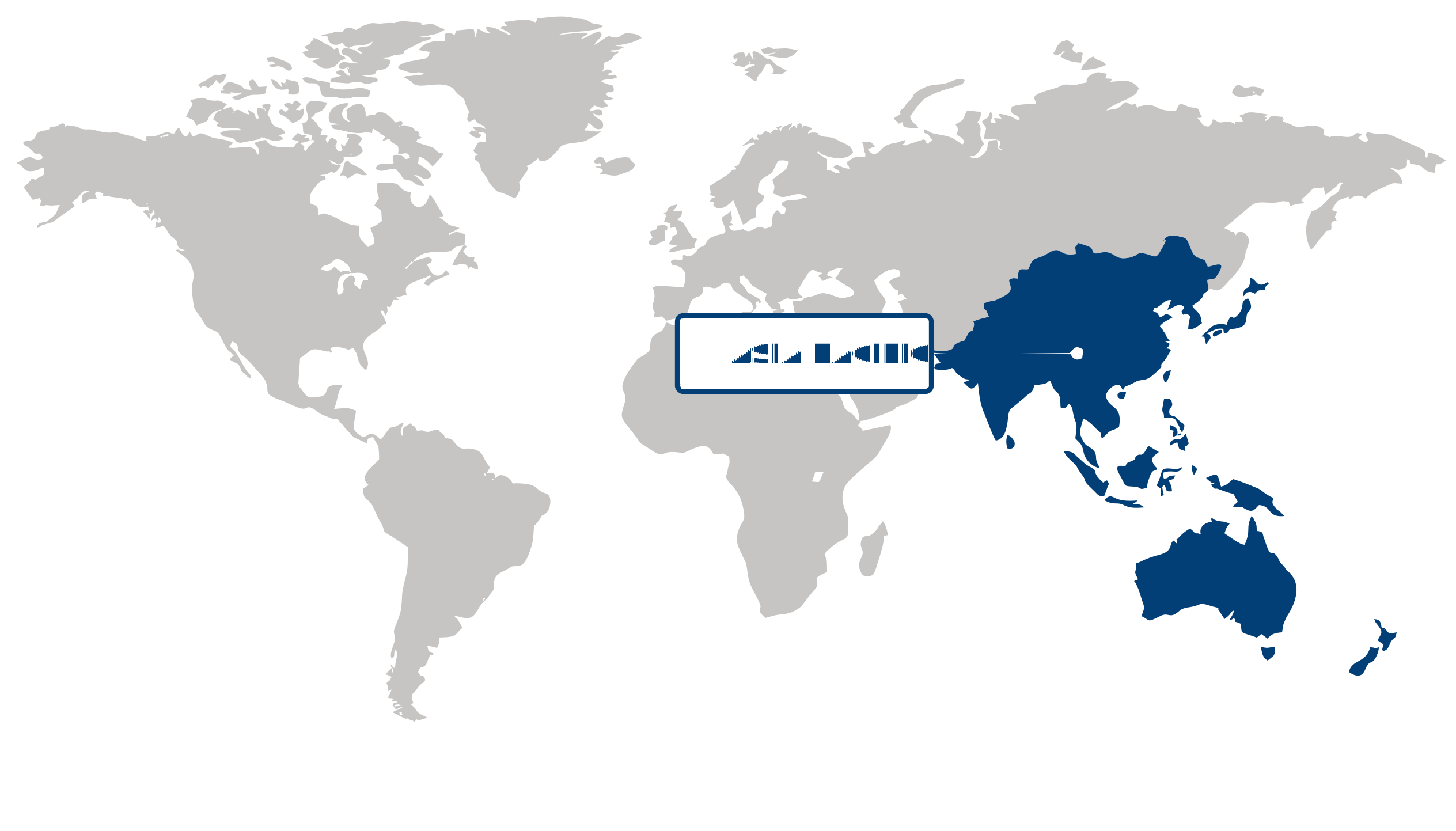
Asia Pacific captured approximately 39.4% of the ethylene tetrafluoroethylene market in 2025, establishing itself as the largest regional market driven by accelerating urbanization and resilient automotive demand for lightweight parts. High-density urban growth across the region—documented by the United Nations Department of Economic and Social Affairs—has expanded demand for durable, high-performance polymers in infrastructure and building envelopes, while automotive scale and renovation cycles highlighted by the China Association of Automobile Manufacturers and Japan Automobile Manufacturers Association sustain steady OEM and supplier procurement of advanced fluoropolymers. Public policy and industrial initiatives in markets such as China’s Ministry of Industry and Information Technology and private-sector material strategies at Toyota Motor Corporation and Mitsubishi Chemical Corporation further reinforce adoption. These converging factors make Asia Pacific a strategic growth arena for investments in production capacity, specialty formulations, and application-focused partnerships.
Japan is positioned as a pivotal hub in Asia Pacific, and the ethylene tetrafluoroethylene market in Japan is characterized by premium-spec demand from automotive OEMs and sustained R&D investment in polymer performance. Japanese manufacturers emphasize lightweighting and high-reliability components—reflected in Toyota Motor Corporation materials strategies and domestic industrial research programs—supporting niche, high-margin ETFE applications in powertrain components, sensor housings, and architectural membranes. Strong links between material suppliers such as Mitsubishi Chemical Corporation and precision tier suppliers create a fast commercialization pathway for specialty grades. For investors, Japan offers opportunities to capture margin-differentiated product mixes and co-development projects that complement regional scale plays.
China anchors regional volume growth, and the ethylene tetrafluoroethylene market there is propelled by mass automotive production, rapid urban infrastructure expansion, and strong policy support for industrial upgrading. Data from the National Bureau of Statistics of China and production trends reported by the China Association of Automobile Manufacturers show large vehicle output and accelerating EV adoption, driving demand for lightweight polymer solutions at scale; major OEMs such as BYD Co., Ltd. are increasingly incorporating weight-reduction strategies across vehicle platforms. Central and provincial incentives documented by the Ministry of Industry and Information Technology boost local capacity expansion and downstream processing. Strategically, China presents scale-driven investment opportunities in high-throughput compounding, cost-competitive supply chains, and partnerships that can supply the broader Asia Pacific market.
North America Market Analysis:
North America emerged as the fastest-growing region in the ethylene tetrafluoroethylene market, registering a robust CAGR of 8.16%. This acceleration is driven primarily by rapid transformations in the energy industry and rising demand for high-performance coatings: utility-scale solar and wind deployments increase need for lightweight, weather-resistant films and encapsulants, while turbine and infrastructure owners seek fluoropolymer coatings for longer service life. Evidence includes National Renewable Energy Laboratory (NREL) analyses showing accelerating renewables capacity build-out and NextEra Energy’s continued large-scale investments in wind and solar projects. At the same time, suppliers and coatings specialists such as Axalta Coating Systems have signaled rising orders tied to renewable asset maintenance, and U.S. Environmental Protection Agency (EPA) activity on fluorinated substances is nudging manufacturers toward higher-performance, compliant chemistries. Together these dynamics create a durable addressable market for ETFE across generation, transmission, and industrial coating applications, positioning North America to capture further share as clean-energy infrastructure and resilience programs expand.
The U.S. serves as the primary growth engine for the ethylene tetrafluoroethylene market in North America. Federal policies and capital flows — notably incentives embedded in the Inflation Reduction Act and Department of Energy (DOE) support for clean-energy deployment and domestic manufacturing — are concentrating demand for materials that extend asset life and improve efficiency. NREL studies and DOE announcements on loan and grants for manufacturing show material-substitution opportunities onshore, while major energy players such as NextEra Energy are converting large project pipelines into procurement needs for durable films and coatings. Concurrently, supplier and OEM procurement behavior (illustrated by public statements from coatings providers like Axalta Coating Systems) and EPA regulatory attention are shaping product specifications and qualification cycles. For investors and strategists, the U.S. market’s policy-driven project pipeline and procurement requirements make it the focal point for scaling production, qualifying ETFE formulations for energy applications, and securing long-term supply contracts that reinforce North America’s regional growth.
Europe Market Trends:
The ethylene tetrafluoroethylene market held a significant share in Europe, maintaining a strong position as regulators, major ports, and advanced-materials suppliers converge to favor durable, recyclable fluoropolymers for infrastructure and clean-energy projects. Policy signals from the European Commission under the Green Deal and tighter chemical oversight by the European Chemicals Agency (ECHA) have shifted procurement toward higher-performance, lower-lifecycle-impact materials, while logistics nodes such as the Port of Rotterdam Authority report resilient petrochemical throughput that supports regional supply continuity. Corporate moves—illustrated by Solvay’s public communications on fluoropolymer investments and AGC’s European materials offerings—underscore commercial momentum. These combined forces sustain near-term demand and create pockets of opportunity for differentiated ETFE firms that can align with regulatory compliance, circularity expectations, and large-scale construction and renewable-energy programs. The region’s policy and infrastructure backdrop therefore points to continued strategic upside for market entrants and incumbents.
The ethylene tetrafluoroethylene market in Germany serves as a principal industrial and innovation hub, where heavy manufacturing demand and applied R&D drive specification of advanced fluoropolymers. Germany’s chemical and engineering landscape—anchored by firms such as BASF SE and research organizations including the Fraunhofer-Gesellschaft—encourages product qualification for high-temperature, long-life applications in semiconductors, industrial processing equipment, and specialty cable jacketing; Siemens and major OEMs’ materials roadmaps further accelerate adoption. Public-private collaboration on materials testing and workforce skills development supports faster time-to-market for new formulations. Strategically, Germany’s deep supplier networks and technical validation ecosystem make it a gateway for scaling ETFE solutions across Europe’s industrial value chains.
The ethylene tetrafluoroethylene market in France acts as a key adopter driven by large-scale building and energy infrastructure procurement and the influence of national champions on specification trends. French construction and materials groups such as Saint-Gobain and major contractors like VINCI and Eiffage routinely incorporate high-performance membranes and lightweight façades in bids, while energy actors including EDF emphasize asset longevity and reduced maintenance intensity in publicly visible projects. These procurement patterns, coupled with regional certification frameworks and architect-led design preferences, favor ETFE applications in stadiums, atria, and utility enclosures. For investors and suppliers, France represents an accessible commercial theatre where meeting institutional procurement criteria and engaging with local integrators can unlock replicable projects across Europe.
| Parameter | North America | Asia Pacific | Europe | Latin America | MEA |
|---|---|---|---|---|---|
| Innovation HubiScaleNascentDeveloping Advanced | |||||
| Cost-Sensitive RegioniScaleLowMedium High | |||||
| Regulatory EnvironmentiScaleRestrictiveNeutral Supportive | |||||
| Demand DriversiScaleWeakModerate Strong | |||||
| Development StageiScaleEmergingDeveloping Developed | |||||
| Adoption RateiScaleLowMedium High | |||||
| New Entrants / StartupsiScaleSparseModerate Dense | |||||
| Macro IndicatorsiScaleWeakStable Strong |
Ethylene Tetrafluoroethylene Market Share (%), by Type, 2026
Go beyond the chart, access full insights & data tables
Request Free Sample ReportPellet/Granule dominated the ethylene tetrafluoroethylene market in 2025 within the Type segment, taking the largest share among segments. Its leadership stems from easier processing and rising demand for molded fluoropolymer components, with pelletized feedstock enabling consistent injection and extrusion molding as highlighted in Daikin Industries product literature and Arburg equipment notes; this translates into lower scrap rates, faster cycle times and streamlined supply-chain batching. Customer preference for rapid part turnaround, OEM consolidation of suppliers, and regulatory attention to material traceability amplify its appeal. Established polymer producers can scale high-volume grades while niche compounders can capture specialty blends. Given ongoing automation in molding and sustained demand for complex molded ETFE parts, pellet/granule is likely to remain central in the near to medium term.
Analysis by Application
Films & Sheets represented largest share of the ethylene tetrafluoroethylene market in 2025 within the Application segment. The segment leads because of accelerating use of ETFE films in architectural façades and greenhouses, evidenced by Vector Foiltec’s project portfolio and technical case studies from Arup that underline ETFE’s lightweight, daylighting and thermal benefits; these attributes meet client sustainability and aesthetic preferences and simplify installation logistics. Growing acceptance by building certification frameworks such as the U.S. Green Building Council supports specification by architects and developers. This creates opportunities for façade specialists, film suppliers and systems integrators. With proven performance in high-profile structures and rising interest in low-carbon building envelopes, films & sheets are positioned to retain strategic relevance in the near to medium term.
Analysis by Technology
Extrusion held largest share of the ethylene tetrafluoroethylene market in 2025 within the Technology segment. Its prominence is driven by widespread adoption of extrusion for efficient, large-scale ETFE product manufacturing, a trend supported by equipment suppliers such as KraussMaffei and Coperion that promote continuous high-throughput lines for fluoropolymers; extrusion’s consistency, low per-unit cost and ease of integration with automation suit current demand patterns. Supply-chain efficiencies, workforce upskilling toward automated processes, and pressure to reduce energy intensity favor extrusion. This creates strategic openings for large processors to invest in line capacity and for specialists to offer custom extrusion services. As manufacturers push for cost-effective, automated production and material suppliers enhance resin grades for extrusion, extrusion-based segments should remain critical in the near to medium term.
| Segment | Sub-Segment | Largest Segment | Fastest Growing |
|---|---|---|---|
| Type | Powder, Pellet/Granule | ||
| Application | Wires & Cables, Films & Sheets, Coatings, Tubes, Others (Foams and Membranes) | ||
| Technology | Injection, Extrusion, Others (Electrostatic Spraying/Fluid Dip Coating, Rotational Molding, Blow Molding) |
Unlock insights tailored to your business with our bespoke market research solutions.
Click to get your customized report now.
Competitive Landscape and Market Positioning
The competitive landscape reflects active repositioning and capability-building among these incumbents. Several have refreshed portfolios through selective transactions and partnerships while others have concentrated resources on pilot lines, application labs and advanced grades to broaden application windows. Joint developments with OEMs and targeted introductions of thinner, higher‑clarity and more durable ETFE variants have increased differentiation, and investments in processing and qualification shorten adoption cycles for sectors such as photovoltaics, automotive and electronics. These moves collectively raise barriers for late entrants, accelerate specification-led competition, and prioritize suppliers who can couple materials science with rapid application support.
Strategic / Actionable Recommendations for Regional Players
North America — Deepen collaborative arrangements with electrification and aerospace OEMs and co-locate application development capabilities to shorten qualification timelines. Complement this with selective local compounding and pilot production to assure supply security and faster cadence for custom grades, and expand material stewardship and closed‑loop handling pilots to meet buyer expectations.
Asia Pacific — Leverage proximity to major electronics and solar assemblers by co-investing in converter capacity and technical service centers that enable fast customization of thin films and coated variants. Strengthen ties across regional supply chains, adopt high‑throughput processing technologies, and prioritize technical training to capture scale opportunities in tethered high-volume segments.
Europe — Align product portfolios with stringent building, automotive and sustainability requirements by partnering with façade, construction and mobility integrators to validate long‑life applications. Pursue certification pathways, develop recyclable or reuse‑friendly product flows, and enhance in‑market technical trials to convert specification committees and architectural projects into repeat business.
| Company | Market Share | Company Revenue | Revenue CAGR (%) | Product Portfolio | Geographic Presence | Innovation / R&D Focus | Strategic Developments |
|---|---|---|---|---|---|---|---|
| No companies available. | |||||||
Customize Your Report
Explore examples of how this report can be tailored to different research needs, including custom segments, additional topics or chapters, and related reports. Click a section of the wheel or its numbered marker to explore the available options.
Ethylene Tetrafluoroethylene Market — Custom Segments
| Segment | Sub-Segment |
|---|---|
| No segment data available. | |
Ethylene Tetrafluoroethylene Market — Custom TOC
| Custom Chapter | Chapter Details |
|---|---|
| No custom TOC data available. | |
Need a different cut of the data?
Request Custom ResearchFrequently Asked Questions
How much is the ethylene tetrafluoroethylene market worth?
What is the expected industry size of ethylene tetrafluoroethylene by 2035?
Which territory demonstrates the strongest presence in the ethylene tetrafluoroethylene market?
Which region is experiencing the fastest growth in the ethylene tetrafluoroethylene sector?
What share does Pellet/Granule segment hold in the ethylene tetrafluoroethylene sector as of 2025?
Where is the films & sheets segment seeing the strongest adoption within the ethylene tetrafluoroethylene industry?
When did extrusion sub-segment emerge as the largest sub-segment in the technology segment of ethylene tetrafluoroethylene sector?
What are the key competitors in the ethylene tetrafluoroethylene landscape?
Our Clients
"The report helped us understand emerging consumer trends in our product category. It clarified where to focus innovation for the next product launch."
LyondellBasell
"The regional forecast section was incredibly useful. We were able to identify two new potential partners in Europe thanks to the vendor mapping you included."
SABIC
"We appreciated how actionable the recommendations were. It guided us to improve supply chain resilience."
Olin Corporation
Our Research Team & Methodology
Every Fundamental Business Insights report is built by a dedicated vertical research team, validated through a structured primary-and-secondary methodology, and reviewed for accuracy before it reaches you.
This report was prepared by the Chemicals & Materials Research Team at Fundamental Business Insights, a dedicated research group specializing in the global chemicals, advanced materials, and industrial manufacturing sectors. Our analysts continuously monitor raw material supply chains, feedstock pricing, production technologies, regulatory developments, sustainability initiatives, environmental compliance, trade dynamics, and evolving end-use applications to deliver timely and reliable market intelligence. The research is developed using a structured methodology that combines primary discussions with manufacturers, raw material suppliers, distributors, and industry experts, along with company annual reports, regulatory publications, government trade statistics, industry associations, technical literature, patent databases, and other authoritative secondary sources. Market estimates are validated through multiple research techniques, including top-down and bottom-up analysis, before undergoing an internal quality review to ensure accuracy, consistency, and methodological integrity prior to publication.
Delivery
Published
Available
Support
- Market Size & Forecast
- Market Segmentation
- Regional Analysis
- Growth Drivers & Challenges
- Market Dynamics
- Competitive Landscape
- Company Profiles
- Competitive Benchmarking
- Mergers & Acquisitions
- Market Share Analysis or Key Company Strategies
- Value Chain Analysis
- Porter's Five Forces
- PESTLE Analysis
- Pricing Trends
- Supply-Demand Analysis
- Technology Landscape
- Regulatory Landscape
- Investment & Funding Landscape
- Emerging Opportunities
- Future Market Outlook