Bath Salts Market Size & Forecasts 2026-2035, By Segments (Form, Product, Application), Growth Opportunities, Innovation Landscape, Regulatory Shifts, Strategic Regional Insights (U.S., Japan, China, South Korea, UK, Germany, France), and Competitive Dynamics (Henkel, Unilever, L'Oréal, Procter & Gamble, Reckitt Benckiser)
Jump to Content
Market Size and Growth Outlook
Bath Salts Market size is forecast to climb from USD 2.76 billion in 2025 to USD 4.01 billion by 2035, expanding at a CAGR of over 3.8% during 2026-2035. Industry revenue in 2026 is projected at USD 2.85 billion.
Get more details on this report
Request Free Sample ReportBath Salts Market Intelligence Snapshot
Regional Market Dynamics
Segment Momentum
Market Expansion Drivers
Leading Market Participants
Global Market Forecast Snapshot
Market Outlook
Regional and Segment Outlook
Market Growth Drivers and Industry Trends
The heightened consumer focus on personal hygiene and holistic wellness is a pivotal force in shaping the bath salts market. As lifestyles become more health-conscious, individuals increasingly seek products that promote relaxation and self-care, moving bath salts from niche luxury to everyday essentials. This shift is evidenced by statements from the International Spa Association, highlighting rising spa visits and at-home spa experience demand. Established manufacturers can capitalize by integrating wellness claims into their products, while entrants can innovate with novel formulations aimed at therapeutic benefits. Given this momentum, companies optimizing marketing around wellness and stress relief stand to benefit from sustained consumer interest.
Expansion of Natural and Aromatherapy Bath Products
The bath salts market is witnessing robust growth driven by consumer preference for natural and aromatherapy-enhanced products. Certification bodies like Ecocert and announcements from brands such as Lush emphasize clean ingredients and ethical sourcing as decisive purchase factors. This pivot reflects broader sustainability and clean-label trends, with demand for botanicals and essential oils intensifying. Market players can leverage these consumer priorities by investing in ingredient transparency and eco-friendly packaging. As regulatory frameworks increasingly recognize the value of natural product claims, the market is likely to reward companies that pioneer innovation in botanical blends and authentic aromatherapeutic experiences.
Increased Retail Penetration Through E-commerce
E-commerce’s rapid penetration into the bath salts market has expanded consumer access and diversified distribution channels. Reports from the National Retail Federation highlight significant online sales growth in beauty and wellness sectors, driven by convenience and personalized purchasing experiences. This trend enables smaller brands to reach niche audiences efficiently, while incumbents benefit from data-driven marketing and omni-channel integration. Forward-looking strategies involve enhancing digital storytelling and seamless online customer journeys. The proliferation of direct-to-consumer models signals a sustained transformation in retail dynamics, underscoring digital platforms’ strategic importance for competitive advantage in the bath salts market.
Industry Restraints:
Stringent Regulatory Oversight and Compliance Complexity
The bath salts market faces significant challenges due to increasingly stringent regulatory frameworks governing cosmetic ingredient safety and labeling. Agencies such as the U.S. Food and Drug Administration (FDA) and the European Chemicals Agency (ECHA) enforce rigorous compliance standards that can delay product launches and increase operational costs. For example, the FDA’s enforcement policies around adulterated substances and ingredient disclosure have compelled manufacturers to invest heavily in quality assurance and safety testing, squeezing margins. This complexity disproportionately impacts smaller entrants lacking robust regulatory affairs teams, while larger players must continuously adapt to evolving standards. Consequently, market participants allocate substantial resources to navigate regulatory landscapes, hindering rapid innovation cycles. Moving forward, as regulatory bodies intensify scrutiny—especially around sustainability claims and chemical safety—the need for proactive compliance solutions will remain a critical barrier to market agility and expansion.
Supply Chain Disruptions and Raw Material Volatility
Volatility in the supply of key raw materials, such as natural salts and botanical extracts, poses a substantial constraint on the bath salts market. Factors like adverse weather events, geopolitical tensions, and shipping delays disrupt sourcing consistency, as noted by supply chain insights from the International Trade Centre (ITC). For instance, fluctuations in Himalayan salt availability due to transportation bottlenecks have led to cost inflation and inventory shortages for many brands. Larger companies have responded by diversifying supplier bases and stockpiling critical inputs, but smaller manufacturers face significant challenges securing stable supply, impacting production schedules and product reliability. This fragility forces market participants to reevaluate procurement strategies and build resilient supply networks. Given ongoing global logistical uncertainties and climate-related risks, raw material supply constraints are poised to persist as a strategic hurdle for the bath salts industry.
| Growth Driver | Impact on CAGR | Regulatory Influence | Geographic Relevance | Adoption Rate | Impact Timeline |
|---|---|---|---|---|---|
| Growth in personal hygiene and wellness trends | 1.10% | Short term (≤ 2 yrs) | North America, Europe (spillover: APAC) | Low | Fast |
| Expansion of natural and aromatherapy bath products | 0.90% | Medium term (2–5 yrs) | Europe, APAC (spillover: LATAM) | Low | Moderate |
| Increased retail penetration through e-commerce | 0.70% | Long term (5+ yrs) | APAC, North America (spillover: Europe) | Low | Fast |
Explore Growth Opportunities
Request Free Sample ReportRegional Demand Dynamics
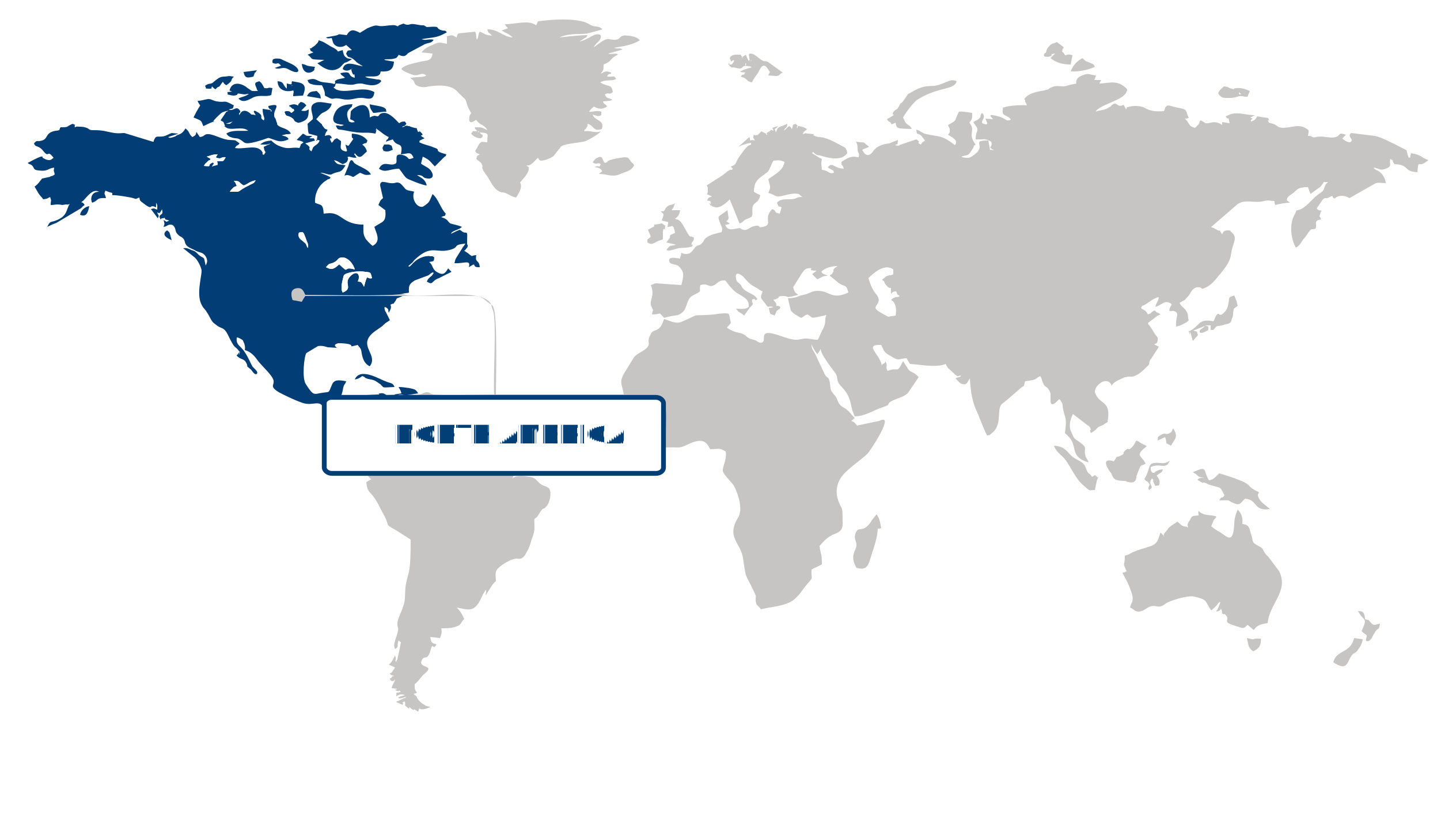
North America captured over 31.9% of the global bath salts market in 2025, positioning it as the dominant region in this sector. This leadership is closely tied to the widespread popularity of spa treatments and at-home relaxation rituals, which have driven consistent consumer demand. Evolving lifestyle preferences toward wellness and self-care, supported by significant spending on premium personal care products, further reinforce this trend. Additionally, the presence of strong regulatory frameworks, such as those enforced by the U.S. Food and Drug Administration (FDA), ensures product safety and quality that bolster consumer confidence. Industry players like Bath & Body Works have capitalized on these dynamics through innovative product launches and sustainable sourcing, as highlighted in their recent corporate press releases. Looking ahead, the region's sophisticated retail infrastructure and increasing digital engagement present substantial growth avenues for bath salts, making North America a pivotal market for investors and strategists.
The United States anchors the North American bath salts market, benefiting from an advanced wellness culture and a developed e-commerce ecosystem that drives product accessibility. American consumers’ preference for natural ingredients and cruelty-free formulations aligns with offerings from players such as The Honest Company, as detailed in their sustainability reports. Furthermore, state-level regulations and certification programs, exemplified by the California Department of Public Health’s cosmetic safety mandates, elevate product standards and encourage innovation. The country’s diverse demographic mix fuels demand across various consumer segments, reinforcing the U.S. as a linchpin for regional growth. These factors collectively create an environment conducive to expanding product portfolios and cultivating brand loyalty, underscoring the U.S.’s strategic significance in the broader North American bath salts market.
Asia Pacific Market Analysis:
Asia Pacific emerged as the fastest-growing region in the bath salts market, registering rapid growth with a robust CAGR of 5.7%. This upward trajectory is primarily driven by rising disposable incomes and growing consumer awareness regarding the therapeutic benefits of essential oils. Markets across the region are witnessing an increasing preference for wellness and self-care products, influenced by expanding middle-class demographics and heightened health consciousness. The integration of essential oils into bath salts aligns with traditional holistic practices, amplified by modern digital campaigns and endorsements from health institutions like the Asia-Pacific Wellness Association. Additionally, regulatory frameworks in countries like Singapore and South Korea are evolving to support natural and organic personal care products, further enabling market penetration. Against this backdrop, Asia Pacific presents significant opportunities for innovation and premiumization within the bath salts market, making it a strategic focus for investors and brands looking to capitalize on sustainable growth and shifting consumer rituals.
Japan plays a pivotal role in the Asia Pacific bath salts market, driven by a mature consumer base that prioritizes therapeutic and relaxation benefits. Japanese consumers exhibit high awareness of essential oils’ efficacy, supported by government health initiatives promoting preventive healthcare, as noted by the Ministry of Health, Labour and Welfare. The market here is characterized by premium product offerings that incorporate traditional ingredients with modern formulations, appealing to aging populations and wellness-oriented millennials. Companies like Kao Corporation have announced expansions in their aromatherapy product lines to capture this demand, leveraging advanced research in botanical extracts. This positions Japan not only as a consumption hub but also as an innovation leader, influencing regional product development and elevating the bath salts market’s quality standards.
China’s burgeoning middle class and expanding urban health-conscious consumers significantly contribute to the regional bath salts market growth. Rising disposable incomes facilitate increased spending on wellness and luxury personal care products, while awareness campaigns highlighting essential oils’ benefits are gaining traction through platforms such as Alibaba Health. The Chinese government’s emphasis on Traditional Chinese Medicine (TCM) integration, highlighted in recent policy statements by the National Health Commission, supports the incorporation of natural ingredients in bath salts, enhancing consumer trust. Key players like Zhejiang Huakang Biotechnology are collaborating with TCM practitioners to innovate product lines that marry traditional and contemporary wellness trends. China's dynamic market environment, combined with digital transformation and e-commerce growth, reinforces its role as a critical driver of Asia Pacific’s rapid expansion in the bath salts market.
Europe Market Trends:
Europe maintained a substantial share in the bath salts market, driven by evolving consumer preferences toward wellness and self-care rituals. The region’s mature retail infrastructure combined with rising expenditure on personal care products supports steady demand for premium and natural formulations. European regulatory frameworks, exemplified by the European Chemicals Agency's strict guidelines, ensure product safety and transparency, fostering consumer trust. Sustainability-conscious consumers in Europe are increasingly favoring ethically sourced ingredients, prompting key players like L’Occitane and Dr. Hauschka to innovate in eco-friendly packaging and organic variants. Additionally, technological investments in supply chain traceability and digital engagement have improved market responsiveness, as noted in L’Oréal’s sustainability progress report. With its blend of stringent standards and consumer sophistication, Europe continues to offer significant growth opportunities in the bath salts market by encouraging product differentiation and premiumization.
Germany holds a pivotal role in the European bath salts market, attributed to its strong focus on natural and therapeutic personal care products. German consumers display heightened demand for products with herbal extracts and mineral-rich compositions, aligning with trends emphasized by the German Cosmetic, Toiletry, Perfumery and Detergent Association (IKW). Domestic companies such as Kneipp and Bad Heilbrunner capitalize on this by leveraging regional botanical ingredients and rigorous clinical testing to build brand loyalty. Germany’s well-established distribution channels, combined with regulatory vigilance from the Federal Institute for Occupational Safety and Health (BAuA), further enhance market stability. Strategically, Germany’s preference for trusted, scientifically validated bath salts reinforces broader European trends towards wellness-oriented and compliance-driven products.
France serves as a key growth engine in the European bath salts market, where beauty and wellness converge with cultural sophistication. The French market, buoyed by high disposable incomes and affinity for luxury personal care, encourages formulation innovation, especially in aromatic and spa-inspired products. Notable industry leaders such as L’Occitane and Caudalie have expanded their bath salts offerings, integrating fine fragrances and vineyard antioxidants to appeal to discerning consumers. Regulatory oversight by the French Agency for Food, Environmental and Occupational Health & Safety (ANSES) ensures high product safety standards, promoting consumer confidence in premium items. France’s robust beauty culture combined with strong e-commerce adoption, highlighted in Sephora’s digital retail growth announcements, positions the country as a catalyst for upscale bath salts innovation, amplifying Europe’s strategic market opportunities.
| Parameter | North America | Asia Pacific | Europe | Latin America | MEA |
|---|---|---|---|---|---|
| Innovation HubiScaleNascentDeveloping Advanced | |||||
| Cost-Sensitive RegioniScaleLowMedium High | |||||
| Regulatory EnvironmentiScaleRestrictiveNeutral Supportive | |||||
| Demand DriversiScaleWeakModerate Strong | |||||
| Development StageiScaleEmergingDeveloping Developed | |||||
| Adoption RateiScaleLowMedium High | |||||
| New Entrants / StartupsiScaleSparseModerate Dense | |||||
| Macro IndicatorsiScaleWeakStable Strong |
Segment Leadership and Growth Trends
Bath Salts Market Share (%), by Form, 2026
Go beyond the chart, access full insights & data tables
Request Free Sample ReportThe bath salts market is led by the powder segment, which held the largest share in 2025 due to its widespread use in personal care, therapeutic baths, and skincare routines. This segment benefits from consumer preferences favoring easy-to-use and versatile formats that integrate well with daily self-care rituals, supported by enhanced supply chain efficiencies making powdered forms more accessible worldwide. For example, companies like The Honest Company emphasize powdered bath salts in their natural product lines, reinforcing customer trust through clean labeling and sustainability commitments. The powder segment’s adaptability in formulations presents strategic opportunities for established firms to innovate with multifunctional blends, while emerging players can capitalize on niche markets such as organic or vegan powders. Given ongoing global interest in personalized wellness and holistic health, the powder segment is poised to maintain its dominance with sustained demand driven by lifestyle trends and regulatory acceptance of novel cosmetic ingredients.
Analysis by Product
Epsom salt represented the largest share in the bath salts market, propelled by strong consumer demand for its therapeutic and relaxation benefits tied to mineral baths. Favorable cultural acceptance and longstanding use in health and wellness traditions underpin leadership, alongside increased promotion by brands like Dr. Teal’s, which highlight magnesium sulfate’s effectiveness in muscle recovery through digital marketing channels. The segment also benefits from optimized supply chains that ensure quality consistency and regulatory endorsements from bodies such as the FDA for its OTC therapeutic use. This creates a competitive landscape where established firms leverage brand heritage while challengers explore premium or ethically sourced Epsom variants. Continued consumer focus on stress reduction and natural wellness solutions affirms Epsom salt’s relevance, with technological advancements in product delivery expected to further enhance its therapeutic positioning.
Analysis by Application
The therapeutic segment dominated the bath salts market owing to rising consumer demand for stress relief and health benefits. Increasing awareness of mental health and holistic well-being has driven adoption, with healthcare providers and wellness brands like Lush Cosmetics emphasizing therapeutic claims in product development and marketing strategies. Regulatory frameworks supporting wellness product claims, along with demographic shifts toward aging populations seeking non-pharmaceutical stress management, have further reinforced market leadership. This segment’s integration with aromatherapy and spa treatments enables companies to develop differentiated offerings, creating meaningful entry points for startups targeting customized formulations. As wellness continues to be a global priority, the therapeutic segment’s dynamic interplay of innovation, consumer education, and regulatory clarity will ensure its sustained strategic importance in the bath salts market landscape.
| Segment | Sub-Segment | Largest Segment | Fastest Growing |
|---|---|---|---|
| Form | Powder, Granular, Coarse | ||
| Product | Bolivian Salt, Dead Sea Salt, Epsom Salt, Himalayan Bath Salt | ||
| Application | Therapeutic, Aromatherapy, Home Care & Bath Care, Fertilizer |
Unlock insights tailored to your business with our bespoke market research solutions.
Click to get your customized report now.
Competitive Landscape and Market Positioning
The bath salts market exhibits a dynamic competitive environment where top players continuously enhance their portfolios through new launches and cross-industry partnerships. Many have intensified research efforts to integrate natural ingredients and aromatherapeutic benefits, broadening appeal to wellness-conscious consumers. Strategic acquisitions and alliances have expanded geographical presence and diversified product ranges, increasing market resilience. This innovation-driven momentum not only sustains brand differentiation but also opens channels for targeting niche segments such as luxury and eco-friendly bath experiences, fostering deeper consumer engagement amidst intensifying global competition.
Strategic / Actionable Recommendations for Regional Players
In North America, forging alliances with natural ingredient suppliers and wellness brands can capture the rising demand for clean-label products. Leveraging digital platforms to educate consumers on holistic self-care can amplify brand loyalty and expand user base within premium and mass-market sectors.
Asia Pacific players should deepen investments in R&D focused on traditional botanicals and integrate cutting-edge biotechnologies. Collaborations with local influencers and e-commerce platforms can accelerate market penetration, especially by appealing to younger demographics seeking personalization and authentic experiences.
European companies can strengthen their leadership by embedding sustainability across the value chain and innovating with biodegradable formulations. Engaging in multi-stakeholder partnerships to enhance transparency and traceability will resonate with increasingly eco-conscious consumers, solidifying competitive advantage while driving premiumization.
| Company | Market Share | Company Revenue | Revenue CAGR (%) | Product Portfolio | Geographic Presence | Innovation / R&D Focus | Strategic Developments |
|---|---|---|---|---|---|---|---|
| No companies available. | |||||||
Customize Your Report
Explore examples of how this report can be tailored to different research needs, including custom segments, additional topics or chapters, and related reports. Click a section of the wheel or its numbered marker to explore the available options.
Bath Salts Market — Custom Segments
| Segment | Sub-Segment |
|---|---|
| No segment data available. | |
Bath Salts Market — Custom TOC
| Custom Chapter | Chapter Details |
|---|---|
| No custom TOC data available. | |
Need a different cut of the data?
Request Custom ResearchFrequently Asked Questions
What is the forecasted size of the bath salts industry?
Which territory demonstrates the strongest presence in the bath salts market?
Which geographical area is witnessing the highest growth rate in the bath salts sector?
Why is the powder segment leading in the bath salts industry?
Why does epsom salt sub-segment dominate the product segment of bath salts sector?
How much is the therapeutic segment expected to grow in the bath salts industry beyond 2025?
Who are the leading players in the bath salts landscape?
Our Clients
"The report provided us with a clear direction, and the level of detail was beyond what we expected. I would definitely recommend their services to others."
Haier Appliances
"The collaboration with Fundamental Business Insights has added significant value to our decision-making process, and we look forward to continuing this partnership for our future market research requirements."
Luxottica Group S.p.A.
"The team at FBI delivered an exceptional research report. The insights on industry innovations were particularly impressive and added a lot of value to the overall report."
Nike
Our Research Team & Methodology
Every Fundamental Business Insights report is built by a dedicated vertical research team, validated through a structured primary-and-secondary methodology, and reviewed for accuracy before it reaches you.
This report was prepared by the Consumer Goods & Services Research Team at Fundamental Business Insights, a dedicated research group specializing in global consumer markets, retail industries, and service-oriented businesses. The team closely tracks evolving consumer preferences, purchasing behavior, product innovation, brand strategies, retail and e-commerce developments, pricing trends, distribution channels, sustainability initiatives, demographic shifts, and changing lifestyle patterns to deliver timely and reliable market intelligence. The research is developed using a structured methodology that combines primary discussions with manufacturers, brand owners, retailers, distributors, service providers, industry experts, and other key stakeholders, along with company annual reports, government consumer statistics, regulatory publications, industry associations, retail market data, trade publications, and other authoritative secondary sources. Market estimates are validated through multiple research techniques, including top-down and bottom-up analysis, before undergoing an internal quality review to ensure accuracy, consistency, and methodological integrity prior to publication.
Delivery
Published
Available
Support
- Market Size & Forecast
- Market Segmentation
- Regional Analysis
- Growth Drivers & Challenges
- Market Dynamics
- Competitive Landscape
- Company Profiles
- Competitive Benchmarking
- Mergers & Acquisitions
- Market Share Analysis or Key Company Strategies
- Value Chain Analysis
- Porter's Five Forces
- PESTLE Analysis
- Pricing Trends
- Supply-Demand Analysis
- Technology Landscape
- Regulatory Landscape
- Investment & Funding Landscape
- Emerging Opportunities
- Future Market Outlook